Quick Answer: What Is Iversun Used For?
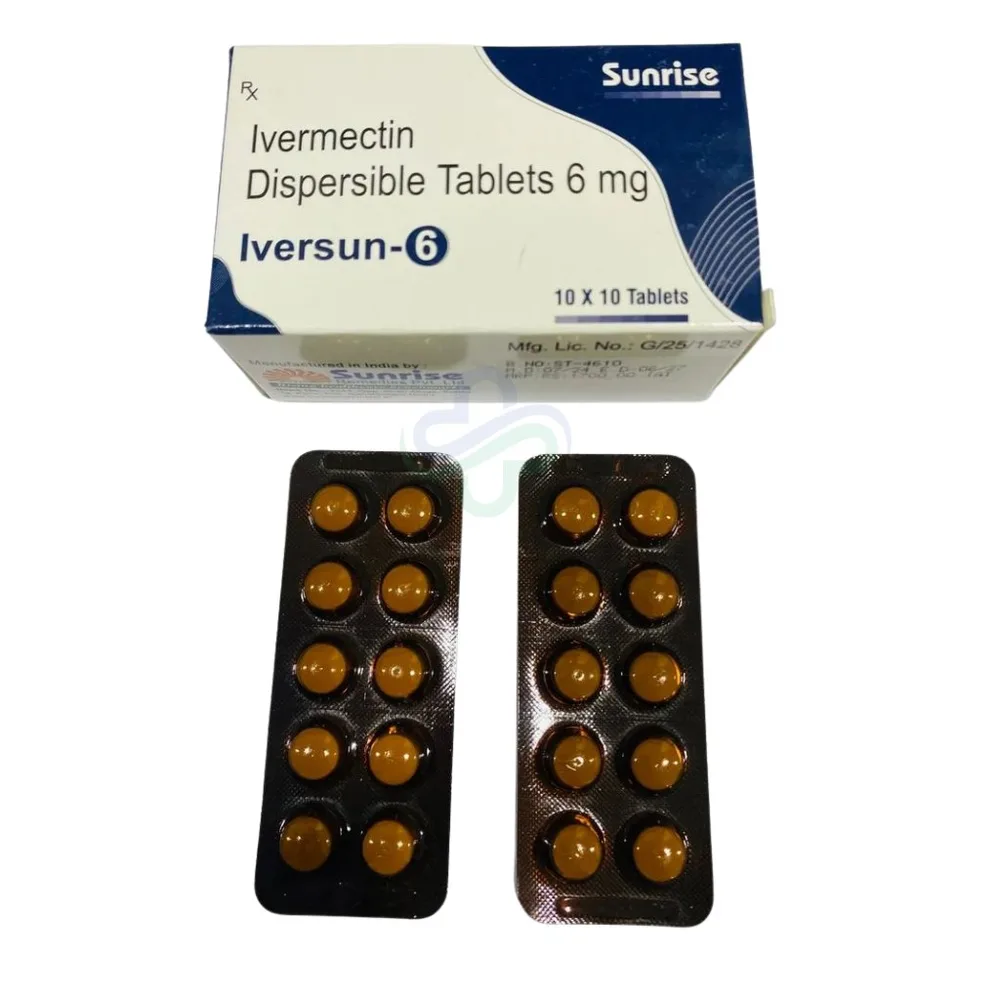
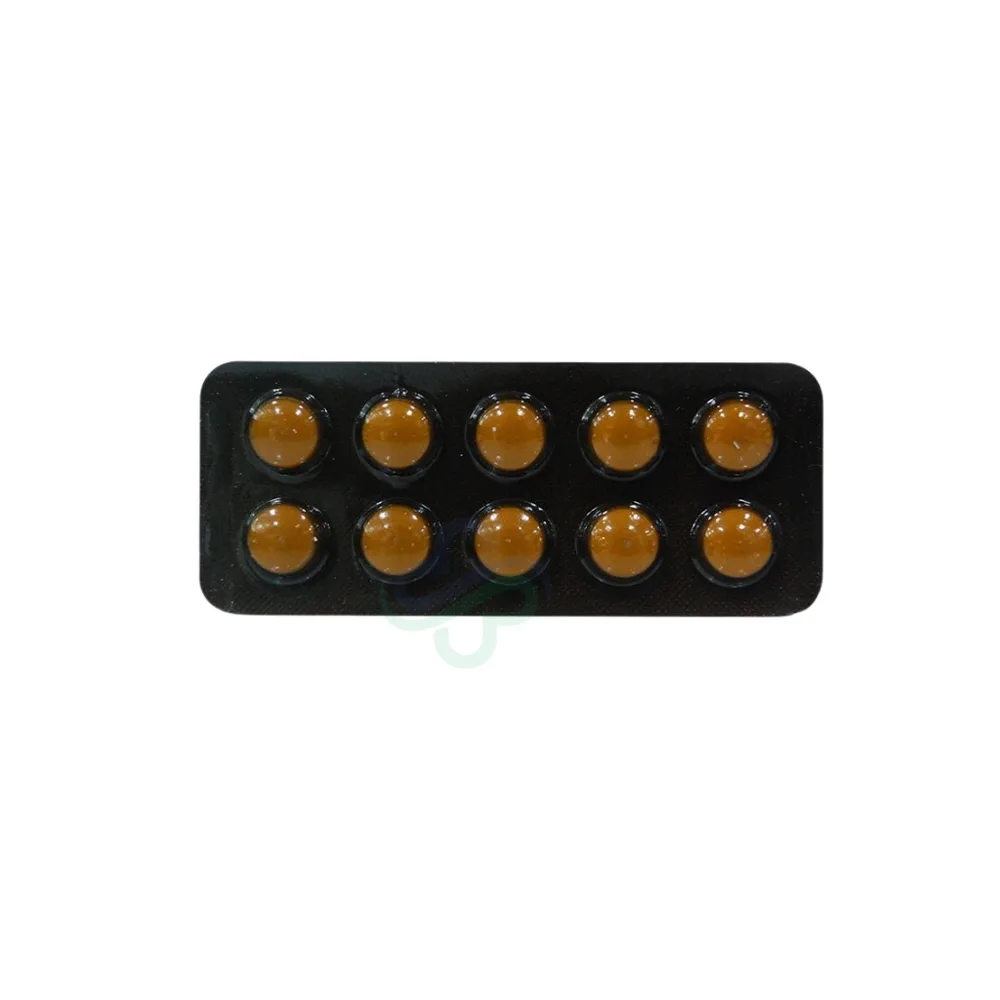
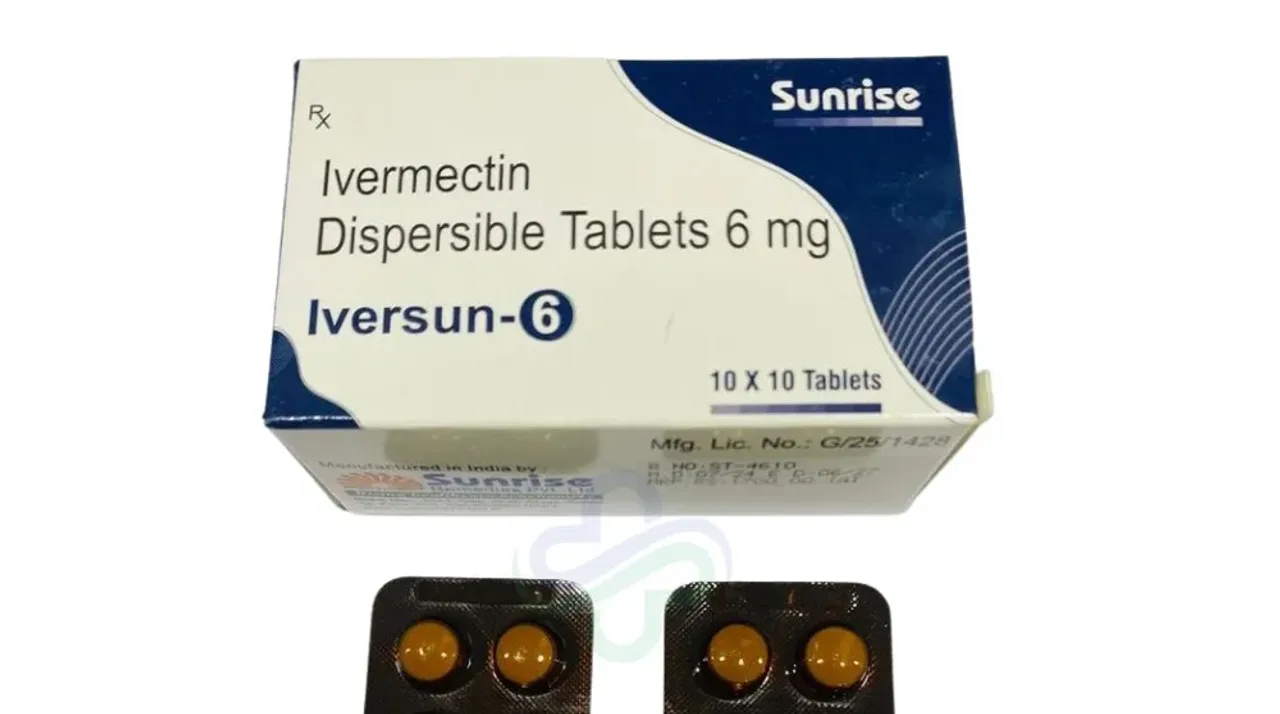
Iversun is a branded ivermectin tablet manufactured by Sunrise, available in 6 mg and 12 mg strengths. Ivermectin's medically recognised uses vary by country: in the UK, intestinal strongyloidiasis, lymphatic filariasis, and human sarcoptic scabies; in Australia, onchocerciasis, intestinal strongyloidiasis, and scabies; in the USA, only intestinal strongyloidiasis and onchocerciasis. It's a prescription-only medicine in all three, so a diagnosis and prescription come before treatment, not after.
What Is Iversun?
Iversun is the brand name Sunrise uses for its ivermectin tablets. Ivermectin, the active ingredient, is an antiparasitic drug that has been used in human medicine for decades and, separately, in large-scale public health programmes against several neglected tropical diseases. Iversun is available in two strengths — 6 mg and 12 mg — reflecting the weight-based way ivermectin dosing works rather than offering different "levels" of the medicine.
When Is Oral Ivermectin Like Iversun Prescribed?
A prescriber considers oral ivermectin when a specific parasitic condition has been diagnosed — not as a general-purpose antiparasitic to try speculatively. The conditions it's actually approved for differ meaningfully by country:
| Country | Approved Uses |
|---|---|
| UK (MHRA/emc SmPC) | Intestinal strongyloidiasis; lymphatic filariasis; human sarcoptic scabies (usually second-line, after topical treatment has failed) |
| Australia (TGA) | Onchocerciasis; intestinal strongyloidiasis; scabies |
| USA (FDA) | Intestinal strongyloidiasis; onchocerciasis (not FDA-approved for scabies) |
See our in-depth guides on strongyloidiasis, lymphatic filariasis, and scabies in the UK for the clinical detail behind each of these.
What Do These Conditions Actually Involve?
It's worth knowing briefly what each of these means, since the names alone don't tell you much. Strongyloidiasis is a roundworm infection that can persist quietly for years due to an internal life-cycle quirk that lets the parasite reinfect the same person without leaving the body. Lymphatic filariasis is a mosquito-borne infection affecting the lymphatic system, which can range from no symptoms at all to chronic swelling if untreated over years. Scabies is caused by a skin-burrowing mite and produces intense itching, most often at night. Onchocerciasis, or river blindness, is spread by blackflies and can cause serious skin and eye disease if untreated over a long period. Our dedicated guides on each — strongyloidiasis, lymphatic filariasis, scabies, and onchocerciasis — go into the full clinical picture for each.
How Does Iversun (Ivermectin) Work Against Parasites?
Ivermectin binds to glutamate-gated chloride channels in the nerve and muscle cells of parasites, which causes paralysis and death of the parasite. These channels aren't present in human cells in the same way, which is a central reason the drug can act on the parasite without the same effect on the person taking it, at approved doses.
How Is Iversun Taken?
Dosing is weight-based rather than a flat amount for everyone — the standard single dose across ivermectin's licensed indications is approximately 200 micrograms per kilogram of body weight. Per the UK SmPC's reference table, a 6 mg tablet typically corresponds to a patient weighing around 25–35 kg, and a 12 mg tablet to around 51–65 kg; other weights are reached by combining strengths. This is general information, not a personal dose — your prescriber calculates your exact requirement. Iversun tablets are generally taken with a full glass of water, on an empty stomach, exactly as directed. Our guide to taking ivermectin correctly explains why the empty-stomach timing matters (food meaningfully increases absorption) and covers missed-dose guidance.
What Benefits Does Treatment With Iversun Offer?
For a genuinely diagnosed, approved condition, oral ivermectin offers a treatment that, for several of its licensed indications, works as a single dose or a short course rather than a prolonged daily regimen — strongyloidiasis and scabies are commonly treated this way. This isn't a claim that treatment is guaranteed to work for everyone or that Iversun is superior to any other ivermectin brand — the benefit comes from the active ingredient being appropriately matched to a confirmed diagnosis, not from the brand itself.
When Should You Not Take Iversun?
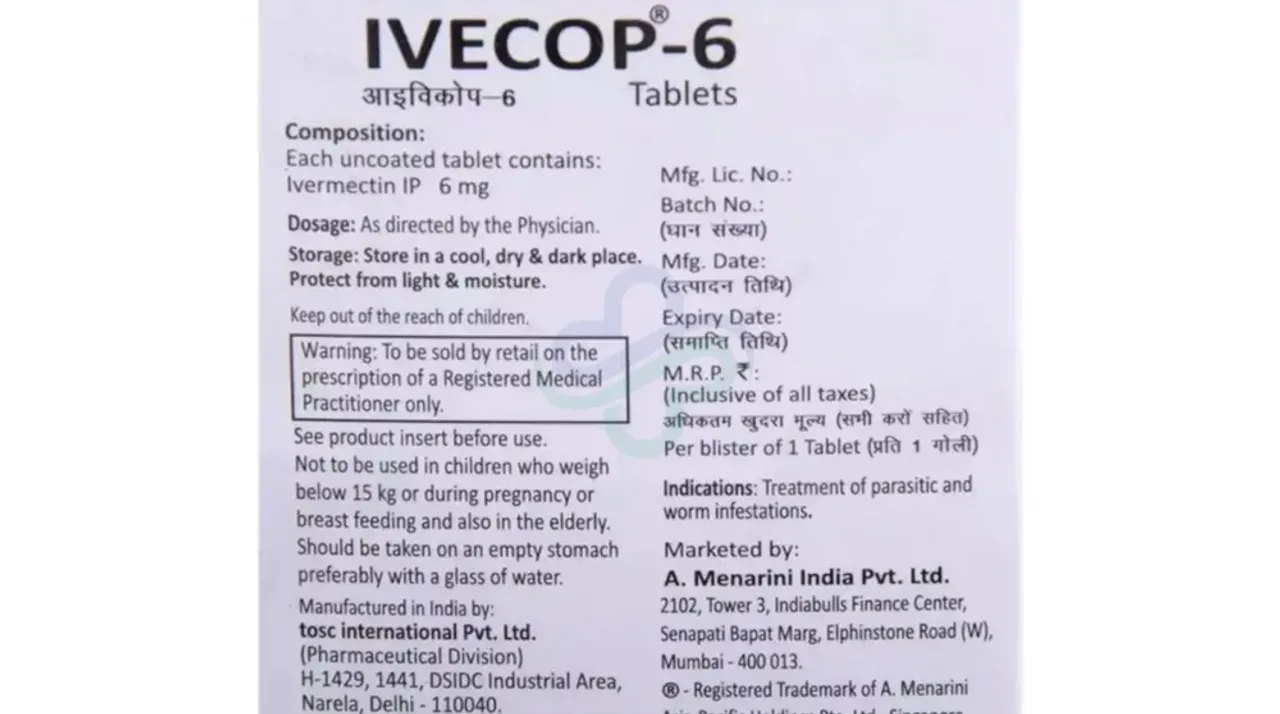
The formal contraindication in current product information is hypersensitivity to ivermectin or any tablet ingredient. Extra caution applies if you weigh less than 15 kg (safety not established below this), are pregnant or breastfeeding, have significant liver impairment, or have travelled to or lived in a Loa loa-endemic region of Central Africa.
Side Effects of Iversun
Commonly reported effects include nausea, dizziness, headache, and mild diarrhoea. A self-limiting reaction to dying parasites (fever, itching, rash, joint pain) can occur in people treated for filarial infections. Rare but serious reactions needing urgent medical attention include severe skin reactions, signs of a severe allergic reaction, and confusion or seizures. See our full side effects guide for the complete picture.
Drug Interactions
No formal interaction studies exist for ivermectin, so tell your prescriber about every medicine and supplement you take. The clearest documented concern is with warfarin — a raised INR has been reported when the two are taken together. Our drug interactions guide covers this and related theoretical interactions.
Who Should Talk to a Doctor Before Using Iversun?
- Anyone pregnant, trying to conceive, or breastfeeding
- Parents of a child weighing under 15 kg
- Anyone with significant liver disease
- Anyone with a Loa loa-endemic travel or residence history
- Anyone taking warfarin or other centrally-acting medicines
What Happens If You Miss a Dose?
Because Iversun's licensed uses are often treated with a single dose or a short, spaced course rather than a daily tablet, missed-dose handling depends on your specific treatment. Contact your prescriber or pharmacist rather than assuming — our how to take ivermectin guide breaks this down by treatment type.
Iversun vs Generic Ivermectin
Iversun is a brand name; ivermectin is the active ingredient. At a matching strength, Iversun contains the same active ingredient as other ivermectin brands. Choosing a specific brand doesn't change what the medicine is treating or how it works — your diagnosis, dose, and prescriber's guidance are what matter clinically.
If Your Doctor Has Prescribed Iversun
If Iversun has been prescribed for you, you can review the available strengths on the Medionix product pages for Iversun 6 mg and Iversun 12 mg tablets, alongside our wider ivermectin range.
Storage Information
Store Iversun tablets in a cool, dry place, protected from light and moisture, in the original packaging, out of reach of children. Check the specific storage wording on your dispensed pack, and don't use tablets after the expiry date printed on it.
Sources & References
This article was written for general education and checked against the following current sources. Product information is updated periodically — always check the current SmPC/PI for the specific product prescribed to you.
- electronic Medicines Compendium (emc) — Ivermectin 3mg Tablets, Summary of Product Characteristics
- Therapeutic Goods Administration (TGA), Australia — AusPAR: Stromectol (ivermectin)
- MedlinePlus (U.S. National Library of Medicine, NIH) — Ivermectin (oral): Drug Information
Medical Disclaimer
This article is for general educational purposes and does not constitute individual medical advice. It is not a substitute for a consultation with a qualified doctor or pharmacist. See our full Disclaimer Policy for more information.