Quick Answer: How Should I Take Ivermectin?
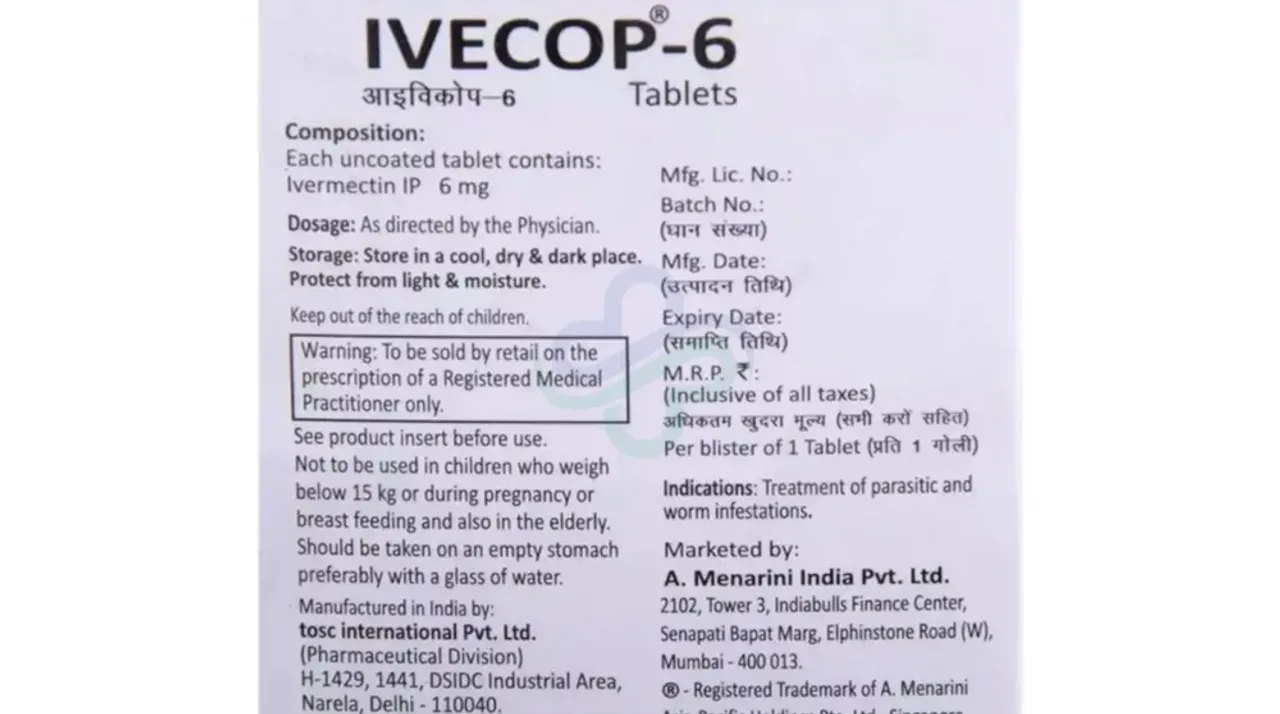
Take ivermectin exactly as your prescriber and pharmacist direct — for most oral courses, that means on an empty stomach with a full glass of water, roughly two hours before or after eating. This isn't an arbitrary instruction: research shows food meaningfully increases how much ivermectin your body absorbs, and the approved dose is based on taking it fasted. This article covers the practical detail — food, timing, missed doses, and what to do if you're sick shortly after taking it — that the product leaflet states but doesn't always explain the reasoning behind.
Why "Empty Stomach" Specifically? The Food Effect, Explained
This is worth understanding properly, because it's not just a generic instruction copied across every medicine label. Published pharmacokinetic research found that taking ivermectin after a high-fat meal increased its bioavailability — the proportion of the dose that actually reaches your bloodstream — by roughly 2.5 times compared with taking it fasted. Fat in a meal increases bile secretion, which improves how a fat-soluble drug like ivermectin dissolves and gets absorbed, so more of it ends up in your system than at the tested, approved fasted dose.
In practice, this means eating beforehand doesn't make the medicine "safer" or "weaker" — it can push your actual exposure higher than the dose your prescriber calculated for you, which is exactly why the fasted-state instruction exists: the approved dosing and safety data are based on empty-stomach administration, and taking it with food changes that picture in a way that hasn't been specifically dosed for you.
What Does "Empty Stomach" Actually Mean in Practice?
Guidance from official product information generally specifies avoiding food for around two hours before and two hours after your dose. In practice, this usually means:
- Taking it first thing in the morning before breakfast, or well before a meal, rather than squeezed in between meals
- Water is fine during this window — it's food (and particularly fat) that affects absorption, not fluids generally
- If your dose is a single one-off dose, planning the timing around your day in advance avoids having to delay a meal awkwardly afterward
Follow the specific timing written on your dispensed medicine's label or given by your pharmacist, since exact wording can vary slightly by product.
What Time of Day Should I Take It?
There's no strong evidence that morning versus evening dosing matters for effectiveness — what matters more is being able to reliably keep to the empty-stomach window and, since dizziness or drowsiness are recognised possible effects, choosing a time when you're not about to drive or need to concentrate closely on something demanding shortly afterward. For most single-dose courses, many people find it easiest to take it in the morning, before eating, so the "no food beforehand" part is simple to manage.
How to Take the Tablets
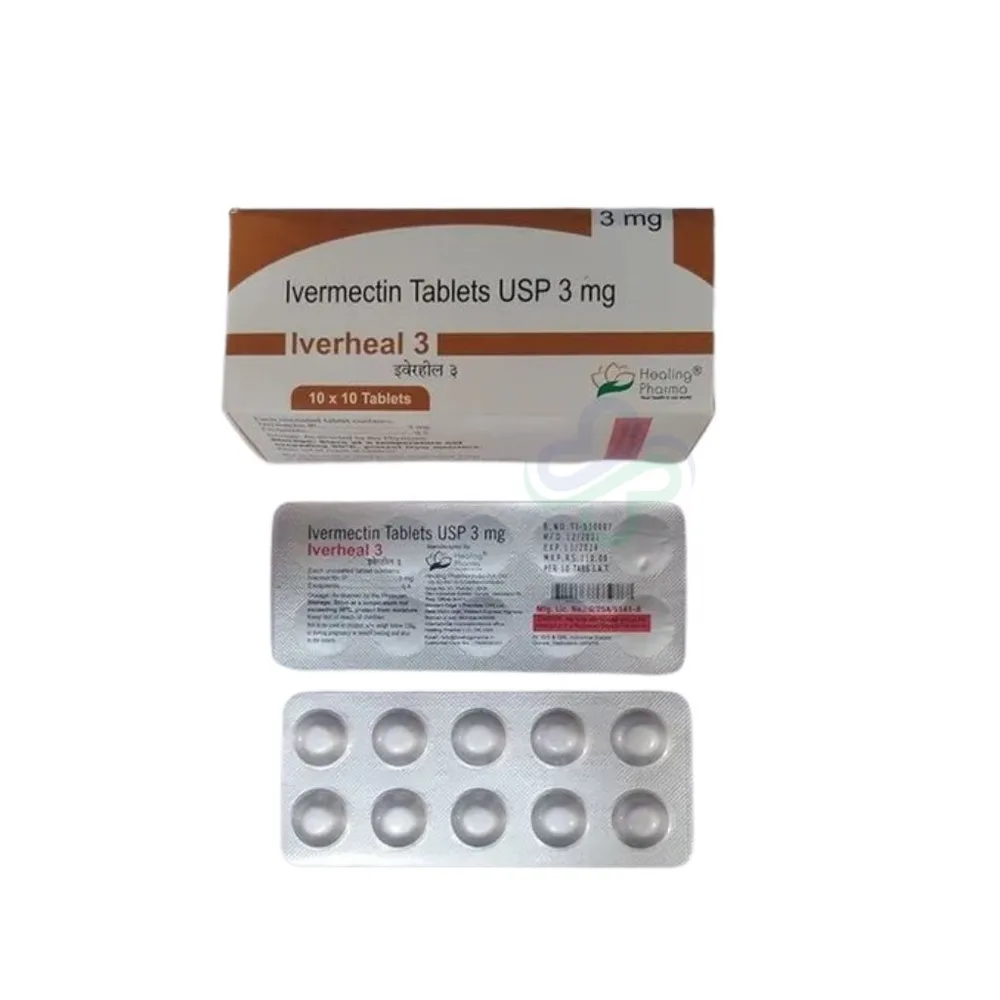
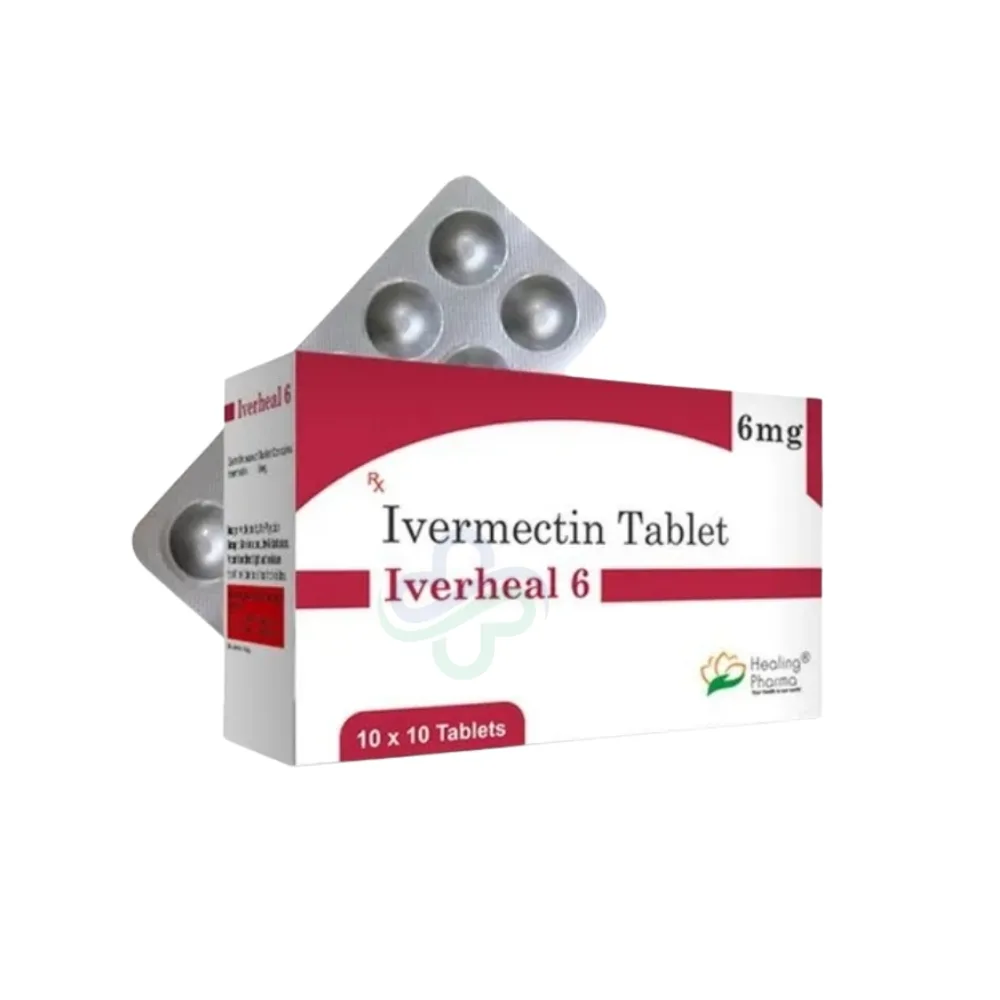
- Swallow tablets whole with a full glass of water, unless you've been told to crush them
- For children under 6, tablets should be crushed before swallowing rather than given whole, per current product guidance
- Take the full number of tablets prescribed for that dose together, as one dose — don't split a single dose across the day unless specifically instructed to
- Don't take extra tablets "to be sure" — your dose has already been calculated for your body weight and condition
What If I Vomit Shortly After Taking Ivermectin?
This is a genuinely common practical question that general product leaflets don't always address clearly. If you're sick very soon after swallowing your dose — before the tablet has had a reasonable chance to be absorbed — there's a real possibility you haven't actually received the full dose. Rather than guessing whether to take another tablet yourself, contact your pharmacist or prescriber and describe what happened (how long after taking it, whether you saw the tablet) so they can advise whether a repeat dose is appropriate. Don't automatically re-dose yourself, since taking it twice unnecessarily isn't a safe default either.
Missed Doses: It Depends on What You're Being Treated For
Unlike a daily tablet you take at the same time every day, many ivermectin courses are a single dose or a specifically spaced short course, so "missed dose" guidance genuinely differs by what you're being treated for:
- Single-dose treatment (e.g. typical scabies or strongyloidiasis dosing) — if you haven't yet taken the dose at all, take it as planned; if you're unsure whether you actually took it, don't double up on guesswork — check with your pharmacist
- Two-dose courses (e.g. a second scabies dose, or off-label lice regimens using a day-1/day-8 pattern) — if you miss the second dose's timing, contact your prescriber rather than taking it very late or skipping it, since the interval between doses is often part of why the regimen works
- Repeat dosing at 6 or 12-month intervals (lymphatic filariasis) — if you miss a scheduled dose in an ongoing programme, contact whoever is coordinating your treatment to reschedule rather than assuming it can wait until the next interval
- Extended daily courses (hyperinfection syndrome treatment, managed in hospital) — this is closely supervised clinically, and any missed dose is a matter for the treating team, not something to manage yourself
If you're ever unsure which category your specific prescription falls into, that's a reasonable, quick question for your pharmacist rather than assuming.
Can I Take Ivermectin With Other Medicines or Alcohol?
Always tell your pharmacist about every other medicine, supplement, and herbal product you take before starting ivermectin — our dedicated drug interactions guide covers what's actually documented, including the specific interaction with warfarin. On alcohol specifically: there's no documented drug interaction, but since both alcohol and ivermectin can independently cause dizziness or drowsiness, it's sensible to see how you feel before drinking rather than assuming there's no effect.
Storage Between Doses
Store ivermectin tablets in a cool, dry place, protected from light and moisture, out of reach of children — check your specific pack's instructions, since exact wording can vary by manufacturer. If you're travelling with a scheduled repeat dose (for example, an ongoing lymphatic filariasis treatment programme), keep tablets in their original packaging with the patient information leaflet, rather than transferring them to an unlabelled container.
Practical Safety Reminders
- Never take a dose calculated for someone else, even a family member of similar size — dosing is specific to the individual's weight and condition
- Never use a veterinary or animal ivermectin product for a human dose — see our main ivermectin guide for why this specifically matters
- If you're unsure whether you've taken today's dose already, don't take a second one "just in case" — check with your pharmacist
- If you think you've taken more than your prescribed dose, this is different from a routine missed-dose question — see our ivermectin overdose guide for what to watch for and what to do
Sources & References
This article was written for general education and checked against the following current sources. Product information is updated periodically — always check the current SmPC/PIL for your specific prescribed product, or ask your pharmacist.
- Journal of Antimicrobial Chemotherapy — The effect of food on the pharmacokinetics of oral ivermectin
- electronic Medicines Compendium (emc) — Ivermectin 3mg Tablets, Patient Information Leaflet
- MedlinePlus (U.S. National Library of Medicine, NIH) — Ivermectin (oral): Drug Information
Medical Disclaimer
This article is for general educational purposes and does not constitute individual medical advice. It is not a substitute for the specific instructions your doctor or pharmacist gives you for your prescription. See our full Disclaimer Policy for more information.