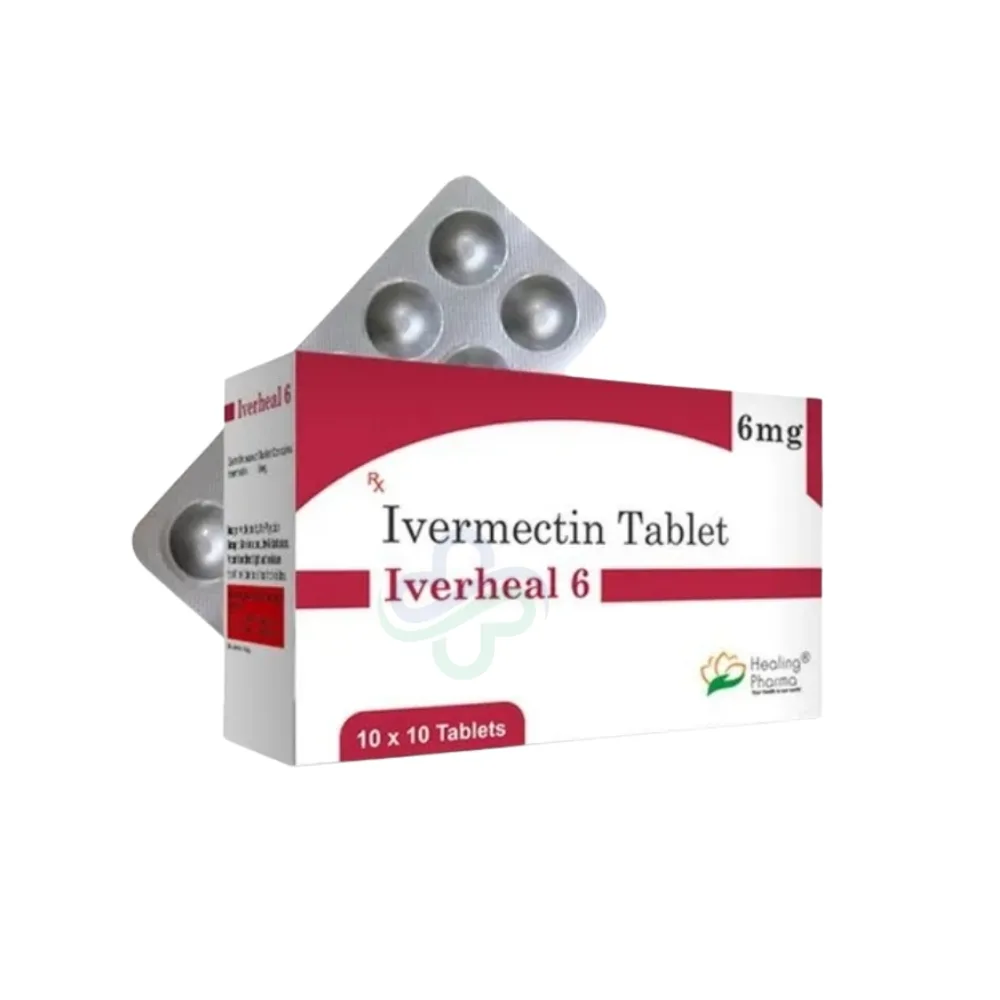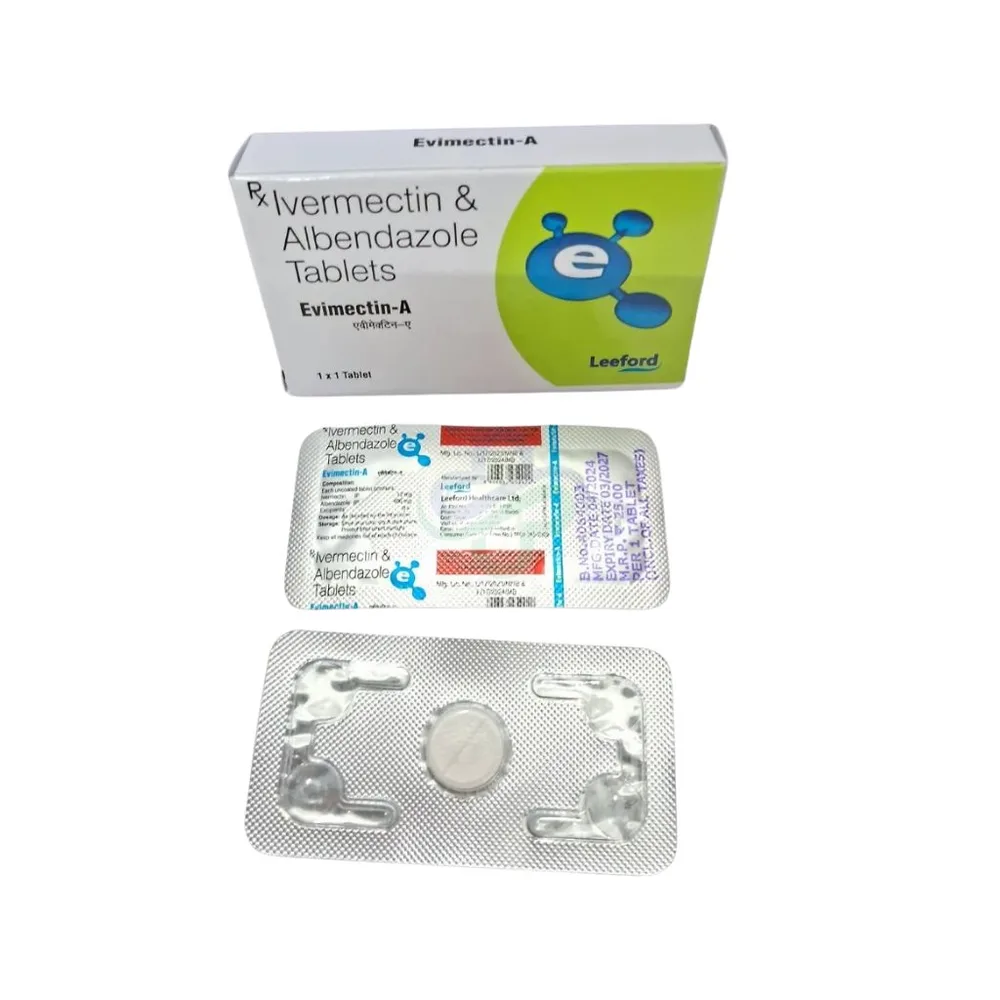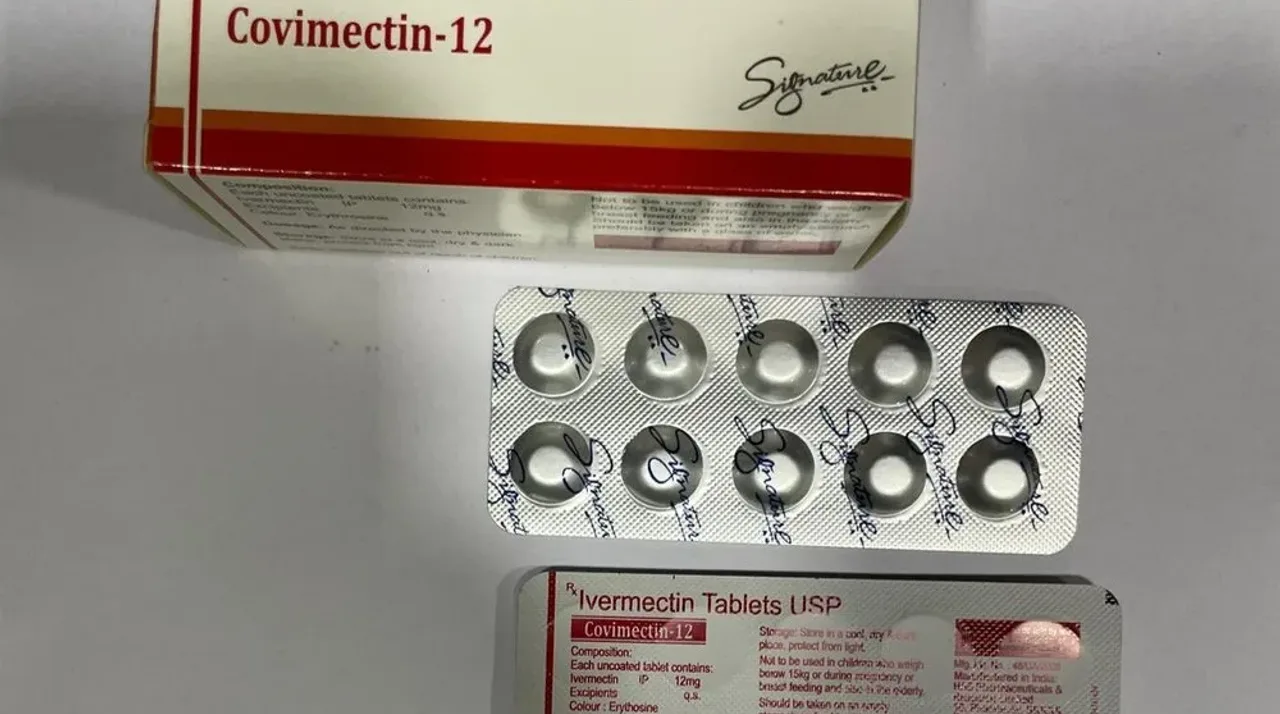
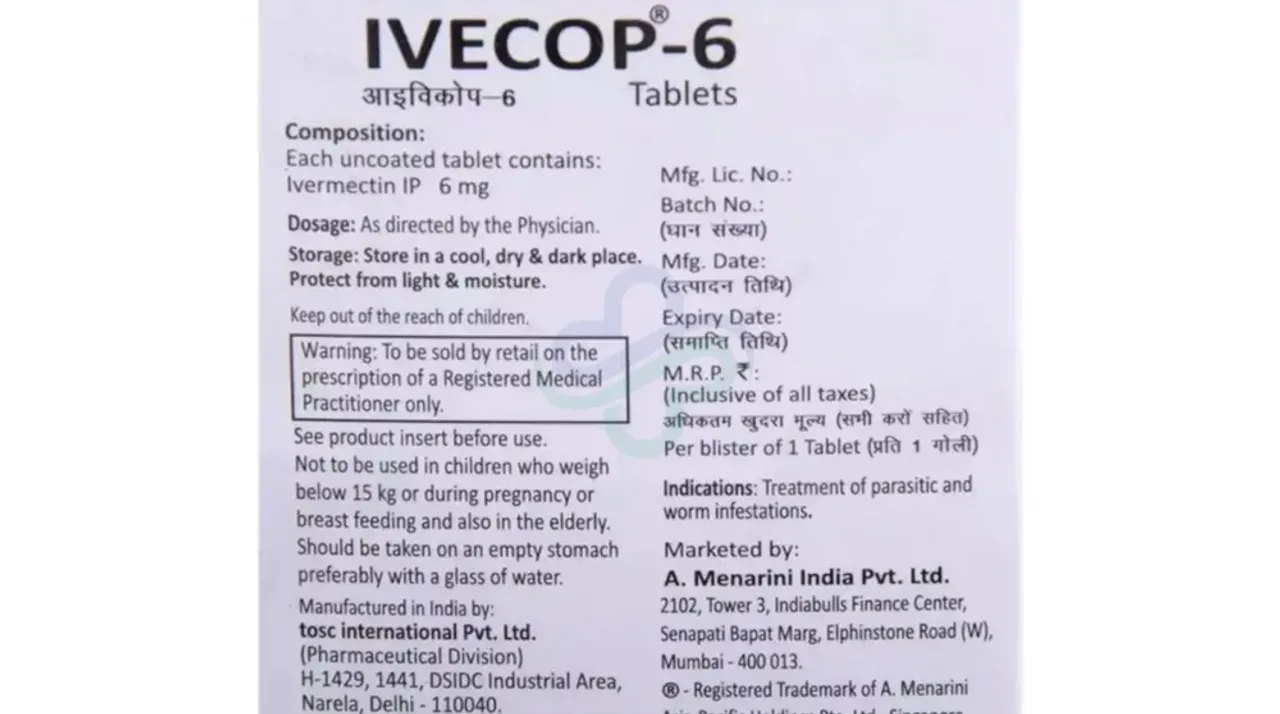
Quick Answer: What Are the Side Effects of Ivermectin?
Most people who take ivermectin have no side effects, or only mild ones — dizziness, nausea, or a headache are the most frequently reported. Serious reactions are uncommon but can happen, and a couple of them (severe skin reactions, confusion or reduced consciousness) need urgent medical attention. This article covers oral tablets and topical products separately, since they don't share the same side-effect profile.
Common Side Effects of Oral Ivermectin
According to the current UK product information (SmPC) for ivermectin tablets, the following effects are reported, grouped by the body system they affect:
- Nervous system: dizziness, tremor, drowsiness (somnolence), vertigo
- Digestive system: nausea, vomiting, diarrhoea, abdominal pain, constipation
- General: fever, chills, weakness (asthenia)
These are usually mild and settle on their own. If any of them are bothersome or don't improve, it's reasonable to mention it to a pharmacist rather than just putting up with it.
What Does "Frequency Not Known" Actually Mean?
If you read the official product leaflet for ivermectin, you'll notice most side effects are listed as "frequency not known" rather than given a specific rate like "1 in 100." That's not the manufacturer being vague for no reason — it's a standard regulatory category used when a side effect has been reported (often after the medicine has been in wider use) but there isn't enough clinical trial data to calculate exactly how often it happens. It doesn't mean the effect is common or rare; it means the exact rate genuinely isn't established. The one clear exception for ivermectin is severe skin reactions, which the SmPC specifically labels as very rare — see below.
How Common Are Side Effects, Really?
It's worth putting this in context. Ivermectin has been used in large-scale public health programmes for decades — including mass treatment campaigns for onchocerciasis and lymphatic filariasis involving hundreds of millions of doses worldwide — and has a well-established overall safety record at approved doses. That doesn't mean side effects don't happen, but the medicine isn't experimental or poorly understood; most people tolerate a correctly prescribed dose without serious problems.
Less Common but Important Reactions
Some reactions are reported less often but are worth knowing about specifically:
- Eosinophilia — a temporary rise in a particular type of white blood cell. It's usually only picked up on a blood test and doesn't cause symptoms by itself.
- Postural symptoms — some people notice light-headedness on standing up, related to the dizziness and low blood pressure effects some patients experience.
Neither of these is typically dangerous on its own, but they're part of why it's worth taking ivermectin somewhere you can rest afterwards rather than, say, straight before driving.
Side Effect or Allergic Reaction — How Can You Tell?
A typical side effect — mild nausea, a headache, feeling a bit dizzy — comes on gradually and stays mild. A genuine allergic reaction looks and feels different: it tends to develop within minutes to a couple of hours of taking the dose, and involves things a standard side effect doesn't — swelling of the lips, face, or throat, widespread hives, wheezing, or difficulty breathing. If you're dealing with the second picture, that's not a "wait and see" situation; it needs urgent attention.
Serious Side Effects: Stevens-Johnson Syndrome and Encephalopathy
Two reactions are worth understanding properly rather than just seeing on a list:
Severe skin reactions — Stevens-Johnson syndrome and toxic epidermal necrolysis — are listed in the SmPC as very rare. These cause the skin to blister and peel, often starting with a rash and flu-like symptoms, and are medical emergencies. They are genuinely uncommon, but the consequence of missing one is serious enough that it's worth knowing the warning signs: a spreading rash, blistering, peeling skin, or sores in the mouth or eyes after starting ivermectin.
Encephalopathy — a general medical term for brain dysfunction — is also listed, and can show up as confusion, unusual drowsiness, difficulty staying alert, or behaviour that's out of character. This has been reported more often at higher-than-recommended doses or in specific clinical contexts (such as mass treatment programmes in regions where a co-existing parasitic infection, Loa loa, is present) rather than at standard prescribed UK doses, but it's still listed as a recognised, if uncommon, effect.
Topical Ivermectin Side Effects
Topical ivermectin is a different product with a different side-effect profile, and it's worth not assuming the oral list applies. For the topical lotion used for head lice, commonly reported effects include eye irritation (redness, swelling, itching, or excess tearing if it gets near the eyes), dandruff, dry skin, a burning sensation where it's applied, and mild rash. The product is meant for the scalp and hair only — manufacturers specifically advise avoiding the eyes, nose, mouth, ears, and other mucous membranes, and rinsing thoroughly with water if accidental contact happens.
The topical cream used for rosacea (marketed in the UK as Soolantra, prescription-only) has a different, generally milder side-effect profile centred on local skin reactions — burning, irritation, or dryness at the application site are the main things to expect, though you should still check the specific patient leaflet for the exact product you've been given.
Ivermectin Overdose: What to Watch For
Taking more than the prescribed dose — or a child accidentally swallowing a topical product — is a medical emergency. Reported symptoms include rash or hives, swelling, difficulty breathing, headache, dizziness, weakness, nausea, vomiting, diarrhoea, stomach pain, seizures, problems with coordination, and tingling or burning sensations in the hands or feet. If you suspect an overdose, contact 111, your GP, or go to A&E — in the UK you can also call the National Poisons Information Service via your local emergency department. Don't wait to see if symptoms pass on their own. Taking only your prescribed dose of a genuine, correctly stored product — such as Medionix Pharma's range of ivermectin tablets — matters as much as the dose itself.
Who Is More Likely to Experience Side Effects?
A few groups warrant extra caution or closer monitoring, based on current product information:
- People taking a higher dose than typically prescribed, or repeated doses close together
- Children under 15 kg, where safety hasn't been formally established
- People with significant liver impairment, since the liver is involved in processing the drug
- People taking other medicines that affect the central nervous system
- People who are pregnant or breastfeeding, where product information recommends use only when a doctor judges it's clearly needed
This isn't a reason to avoid ivermectin if it's genuinely needed — it's the kind of thing your prescriber has already factored in before writing the prescription. It's simply useful context for understanding why your doctor might ask certain questions before prescribing. If you're specifically looking at ivermectin for scabies, our UK scabies treatment guide covers dosing and safety in that context.
Managing Mild Side Effects at Home
For the common, mild effects — nausea, mild dizziness, a bit of a headache — resting, staying hydrated, and giving it a day or two usually helps. Taking the tablet exactly as directed (typically on an empty stomach with water) rather than experimenting with food or timing can also reduce some digestive side effects. If a mild side effect is genuinely disrupting your day or hasn't improved after a couple of days, that's a reasonable reason to call your pharmacy rather than just waiting it out. The side-effect list above applies across strengths — see the Ivermectin 6mg and Ivermectin 12mg product pages for strength-specific dosing context.
When to Seek Urgent Medical Help
Get medical help straight away if you experience:
- A spreading rash, blistering, or peeling skin
- Sores in the mouth, throat, or eyes alongside a rash
- Sudden confusion, severe drowsiness, or difficulty staying conscious
- Seizures
- Signs of a severe allergic reaction — facial or throat swelling, difficulty breathing, widespread hives
- Any symptoms after taking more than your prescribed dose
None of these are common, but they're the reason "it's probably nothing" isn't the right instinct if one of them happens — get it checked.
Do Side Effects Get Worse With a Repeat Dose?
Not typically. Some conditions — profuse or crusted scabies, for example — are treated with more than one dose of ivermectin, usually spaced a week or two apart on a prescriber's advice. Needing a second dose doesn't mean you're at higher risk of side effects than someone who only needed one; it reflects the condition being treated, not a build-up of the drug in your system. That said, always let whoever is prescribing a repeat dose know about any side effects from the first one.
Ivermectin Drug Interactions
Always tell your doctor and pharmacist about every medicine, supplement, and herbal product you're taking before starting ivermectin — this is standard practice for any new prescription, and it lets your pharmacist check your exact combination against current interaction data rather than relying on a generic list. For a broader look at ivermectin's uses and general safety beyond side effects specifically, see our main ivermectin guide.
Sources & References
This article was written for general education and checked against the following current sources. Product information is updated periodically — always check the current SmPC/PIL for your specific prescribed product.
- electronic Medicines Compendium (emc) — Ivermectin 3mg Tablets, Summary of Product Characteristics
- MedlinePlus (U.S. National Library of Medicine, NIH) — Ivermectin (oral): Drug Information
- MedlinePlus (U.S. National Library of Medicine, NIH) — Ivermectin Topical: Drug Information
Medical Disclaimer
This article is for general educational purposes and does not constitute individual medical advice. It is not a substitute for a consultation with a qualified doctor or pharmacist, who can assess your specific health situation and the exact product you've been prescribed. See our full Disclaimer Policy for more information.