Quick Answer: Does Ivermectin Treat Lymphatic Filariasis?
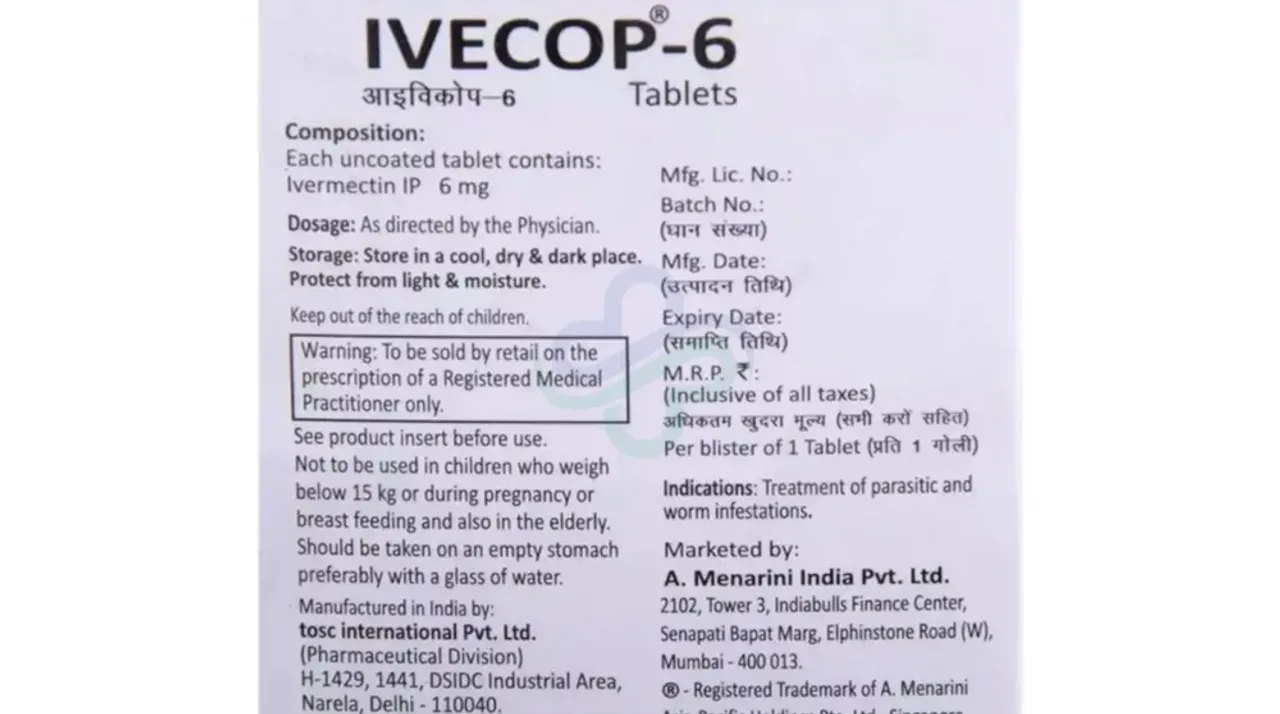
Yes, but with an important nuance: ivermectin kills the microfilariae (larval stage) circulating in the blood, not the adult worms living in the lymphatic system. It's licensed in the UK for treating microfilaraemia due to Wuchereria bancrofti, one of the parasites that causes lymphatic filariasis. Globally, it's also a key component of mass drug administration programmes working toward eliminating the disease. Exactly how it's used — and what else is combined with it — depends heavily on context, covered below.
What Is Lymphatic Filariasis?
Lymphatic filariasis is a parasitic infection caused by thread-like roundworms — most commonly Wuchereria bancrofti, which the World Health Organization (WHO) attributes to roughly 90% of cases, along with Brugia malayi and Brugia timori in some regions. Adult worms live in the lymphatic system (the network of vessels and nodes that helps manage fluid balance and immune function) and can survive there for years, while releasing large numbers of microfilariae into the bloodstream.
How Is Lymphatic Filariasis Spread?
It's transmitted by mosquito bites — a mosquito picks up microfilariae from an infected person's blood and, after the larvae develop further inside the mosquito, passes on the infective stage during a later bite. Repeated mosquito exposure over an extended period is generally needed to establish infection, which is why it's overwhelmingly a disease of people living in, not briefly visiting, endemic areas — infection is often acquired in childhood in places where transmission is ongoing.
The Clinical Picture: From No Symptoms to Elephantiasis
Lymphatic filariasis has a wide clinical range, and most of the damage happens silently long before visible symptoms appear:
| Stage | What Happens |
|---|---|
| Asymptomatic microfilaraemia | Microfilariae circulate in the blood with no obvious symptoms, but the lymphatic system and kidneys are already being damaged |
| Acute adenolymphangitis | Recurrent, sudden episodes of painful lymph node swelling, and inflammation of the testis, spermatic cord and epididymis in men, sometimes with fever — episodes typically last several days and can recur multiple times a year |
| Chronic lymphedema | Progressive swelling, usually of a limb, that moves from soft pitting oedema toward firmer, non-pitting swelling with skin thickening over time if untreated |
| Elephantiasis | Severe, largely irreversible lymphatic obstruction causing massive limb swelling, with major impact on mobility and quality of life |
| Hydrocele | Fluid accumulation around the testis, particularly associated with W. bancrofti infection in men |
Because so much lymphatic and kidney damage occurs before any visible swelling, the WHO and public health bodies emphasise that lymphatic filariasis shouldn't be thought of as "just" a cosmetic or late-stage disease — by the time elephantiasis develops, the underlying damage has usually been present for a long time.
How Is Lymphatic Filariasis Diagnosed?
Because the mosquitoes that transmit it are typically most active at night, and the parasite has adapted to this, microfilariae are often most detectable in the blood between roughly 10pm and 2am — a nocturnal blood smear timed to this window, stained and examined under a microscope, is one traditional diagnostic method. Circulating filarial antigen tests (which detect antigen from adult worms rather than the microfilariae themselves) are more sensitive and don't depend on this narrow testing window, but are currently available only for W. bancrofti, not the Brugia species. Ultrasound can sometimes directly visualise the movement of living adult worms in the scrotal lymphatics — sometimes called the "filarial dance sign" — which can help confirm active infection.
What Ivermectin Actually Does — and Doesn't Do
This is the single most important thing to understand about ivermectin's role here: it's microfilaricidal (it kills the circulating larval-stage microfilariae) but it doesn't reliably kill the adult worms living in the lymphatic system. That distinction matters because clearing microfilariae reduces onward transmission (since mosquitoes can only pick up infection from someone's blood if microfilariae are present) and can help some symptoms, but it doesn't necessarily eliminate the underlying adult-worm infection on its own. This is different from diethylcarbamazine (DEC), a medicine that is active against both microfilariae and, to a meaningful extent, adult worms, and which is considered the drug of choice for individual treatment where it's available and appropriate.
Ivermectin Dosage for Lymphatic Filariasis in the UK
According to the current UK Summary of Product Characteristics (SmPC) for ivermectin 3 mg tablets, dosing for microfilaraemia due to Wuchereria bancrofti is based on body weight (or height, where weighing isn't practical), and can be given at two different intervals depending on the clinical programme or situation:
| Body Weight | Dose Every 6 Months | Dose Every 12 Months |
|---|---|---|
| 15 to 25 kg | One tablet | Two tablets |
| 26 to 44 kg | Two tablets | Four tablets |
| 45 to 64 kg | Three tablets | Six tablets |
| 65 to 84 kg | Four tablets | Eight tablets |
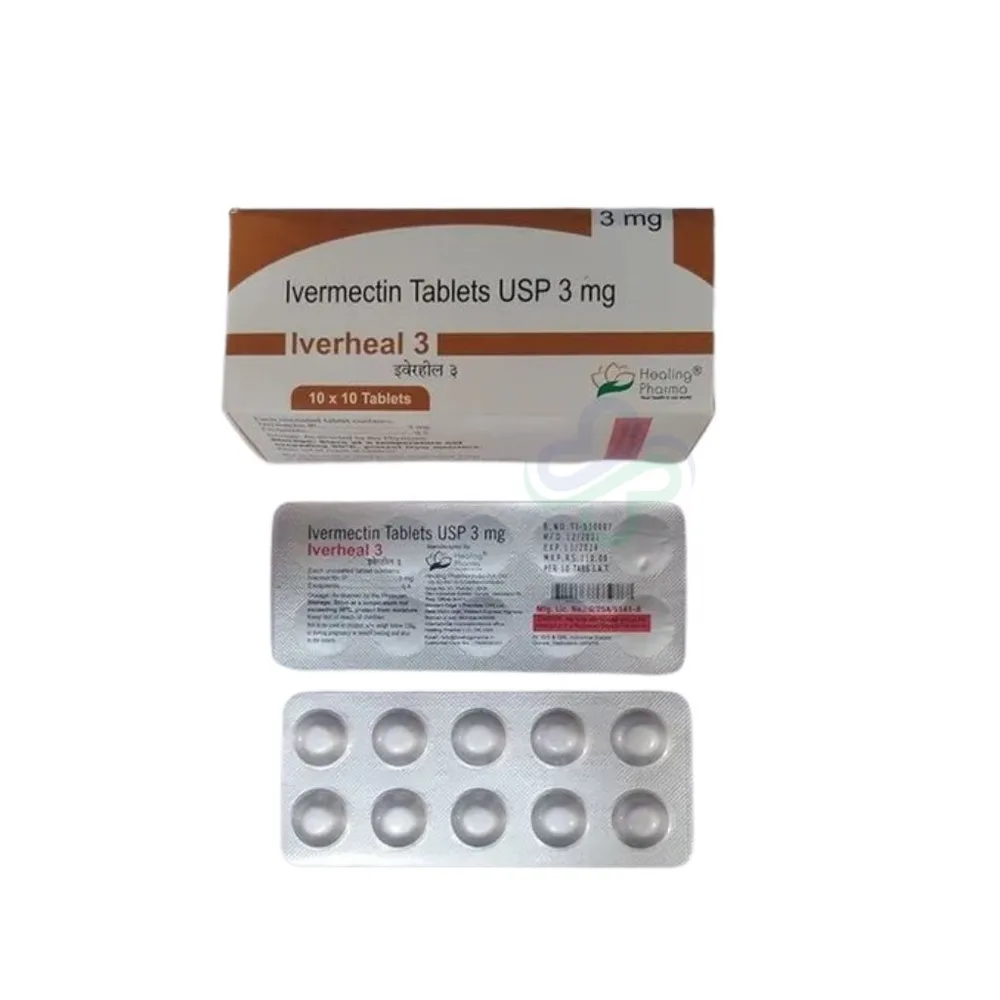
The same SmPC also provides an equivalent table based on height, for situations where weighing someone isn't practical (for example, 90–119 cm corresponds to the same dose as the 15–25 kg band, up to over 158 cm corresponding to the 65–84 kg band). This table is reproduced from the current UK-licensed product information for reference — your actual dose and dosing interval is confirmed by your prescriber, based on your specific clinical situation, not calculated independently from this article. Medionix Pharma's ivermectin range, including 3 mg tablets, reflects the strength this table is based on.
Global Treatment: Mass Drug Administration and the WHO Elimination Programme
Beyond individual UK prescribing, ivermectin plays a large role in public health efforts to eliminate lymphatic filariasis as a disease of public health importance. The WHO's Global Programme to Eliminate Lymphatic Filariasis coordinates mass drug administration (MDA) — offering preventive treatment to entire at-risk populations in endemic areas, typically once a year, rather than treating only people with confirmed infection. As of 2023, the WHO reported around 657 million people across 39 countries still at risk, alongside a roughly 74% decline in infections since 2000 and 21 countries having achieved elimination as a public health problem, with a global target of elimination across all 72 originally endemic countries by 2030.
Two main MDA regimens are used, and which one is chosen depends heavily on geography:
- DEC + albendazole — the standard two-drug regimen in most endemic areas without onchocerciasis co-infection risk
- Ivermectin + albendazole (sometimes with DEC as a triple regimen, "IDA") — used instead in areas where onchocerciasis (river blindness) is also endemic
Why Ivermectin Instead of DEC in Some Regions?
This substitution isn't arbitrary — it's a specific safety measure. Giving DEC to someone who also has onchocerciasis can trigger a severe inflammatory reaction (a Mazzotti-type reaction) as the microfilariae of the co-infecting parasite die off rapidly, and DEC can also worsen eye involvement in onchocerciasis in ways that are specifically dangerous. Ivermectin doesn't carry that particular risk in the same way, which is why it's substituted into MDA programmes across large parts of Africa where the two diseases overlap geographically. More recently, research into a triple-drug combination — ivermectin, DEC and albendazole together (IDA) — has shown it clears microfilariae more effectively than two-drug regimens in areas without onchocerciasis, and is increasingly used where appropriate.
Morbidity Management: Living With Lymphedema or Hydrocele
For people who already have chronic lymphedema or elephantiasis, drug treatment alone doesn't reverse established swelling — ongoing morbidity management matters just as much. WHO guidance on this centres on consistent limb hygiene: washing the affected area with pH-neutral soap and water at least once or twice daily, careful nail and skin care to prevent the entry points that lead to painful acute bacterial episodes, wearing appropriate footwear, elevating the limb when possible, gentle exercise, and compression where feasible. For hydrocele, surgical drainage (hydrocelectomy) is generally effective, though access to trained surgeons and the cost of surgery remain real barriers in many endemic areas — mobile surgical camps and training programmes are part of how this gap is being addressed.
Side Effects and Safety
Ivermectin's side-effect profile for lymphatic filariasis is broadly similar to its other approved uses — dizziness, nausea, and mild skin reactions are among the more commonly reported effects. One point worth knowing specifically for filarial infections: people with a heavy burden of microfilariae can occasionally experience a reaction as the parasites die off, sometimes with fever or swollen glands — this is a recognised part of treatment in that context and is something the treating clinician monitors for, not a sign that something has gone wrong with the medicine itself. Our full ivermectin side effects guide covers the broader common-to-serious breakdown. The formal UK contraindication is hypersensitivity to ivermectin or any tablet ingredient; safety under 15 kg body weight hasn't been established, and pregnancy use is generally reserved for situations where a doctor judges the benefit clearly outweighs the risk.
Lymphatic Filariasis in the UK
Lymphatic filariasis isn't transmitted within the UK — it's diagnosed here almost exclusively in people who've lived in, or spent extended time in, endemic tropical or subtropical regions, and it's one of the three indications specifically listed in the UK SmPC for ivermectin 3 mg tablets, alongside strongyloidiasis and scabies. As with strongyloidiasis, diagnosis relies on specific blood testing rather than symptoms alone, and care is generally arranged through referral to an infectious disease or tropical medicine specialist. See our guide to ivermectin tablets in the UK for more on UK licensing, prescribing routes, and NHS availability, and our strongyloidiasis guide for the other travel-related parasitic indication ivermectin is licensed for in the UK.
Sources & References
This article was written for general education and cross-checked against the following sources at the time of publication. Product information and public health guidance are updated periodically — always check current sources for anything specific to your situation.
- World Health Organization (WHO) — Lymphatic filariasis fact sheet
- electronic Medicines Compendium (emc) — Ivermectin 3mg Tablets, Summary of Product Characteristics
- NIH National Library of Medicine, NCBI Bookshelf (StatPearls) — Filariasis
- Centers for Disease Control and Prevention (CDC) — Treatment of Lymphatic Filariasis
Medical Disclaimer
This article is for general educational purposes and does not constitute individual medical advice. It is not a substitute for a consultation with a qualified doctor or pharmacist, who can assess your specific health situation, test results, and treatment options. See our full Disclaimer Policy for more information.