Quick Answer: Is Ivermectin Used to Treat Strongyloidiasis?
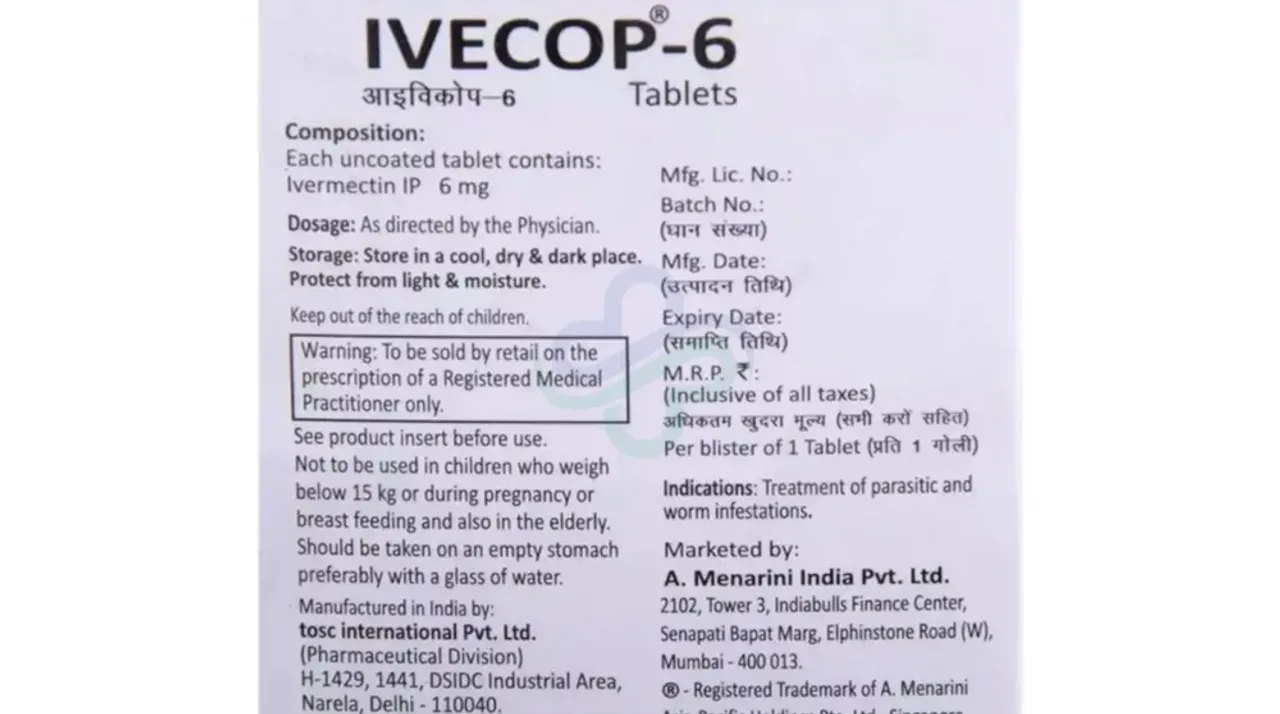
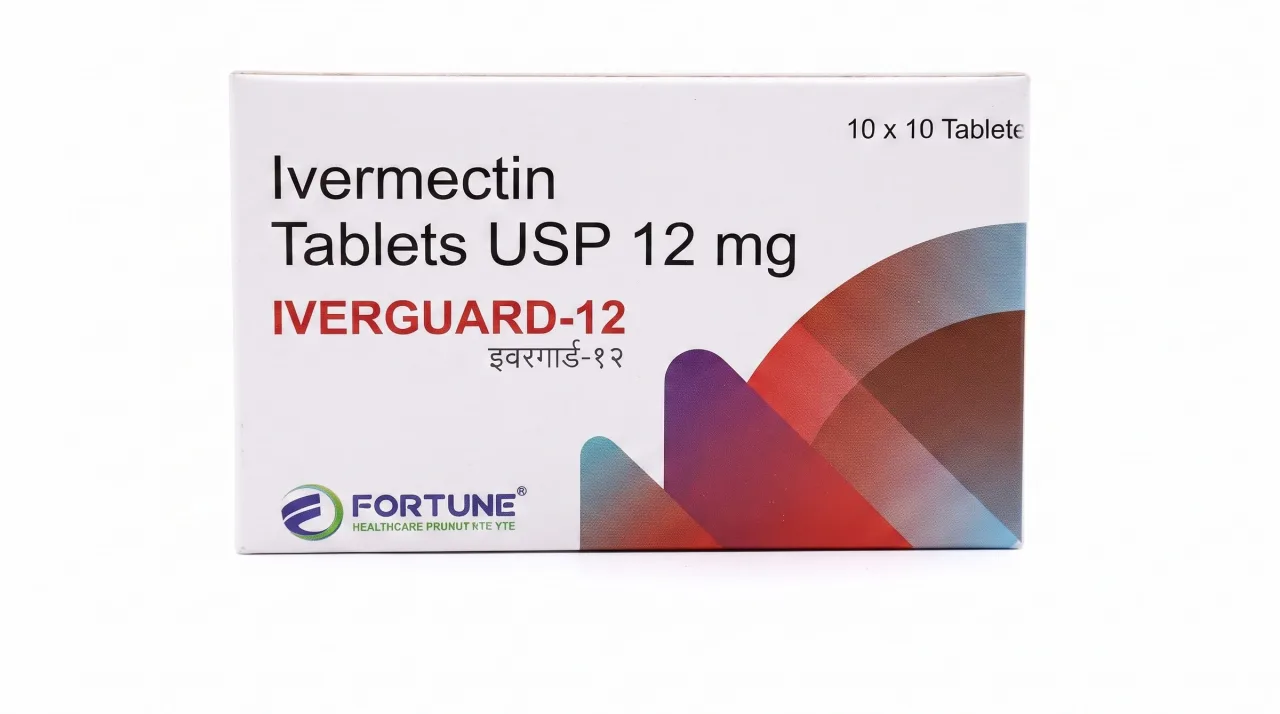
Yes. Oral ivermectin is the treatment of choice for strongyloidiasis, a roundworm infection that can persist quietly in the body for years. It's licensed in the UK specifically for intestinal strongyloidiasis, and it's the first-line agent recommended in US clinical guidance too. The standard dose is calculated from body weight by a prescriber — how it's given differs somewhat between routine infection and the rarer, more serious hyperinfection syndrome, covered below.
What Is Strongyloidiasis?
Strongyloidiasis is an infection caused by Strongyloides stercoralis, a small parasitic roundworm (nematode). It's classified as a soil-transmitted helminth infection and is most common in tropical and subtropical regions, though pockets of transmission have also been documented in some temperate areas. What sets it apart from most other intestinal worm infections is a unique life-cycle feature called autoinfection, which is why it can last for decades rather than resolving on its own.
How Do You Get Strongyloidiasis?
Infection happens when larvae living in contaminated soil penetrate intact skin — classically through bare feet, though any skin contact with contaminated soil can be a route. From there, the larvae travel through the bloodstream to the lungs, are coughed up and swallowed, and mature into adult worms in the small intestine. It isn't spread through everyday person-to-person contact in the way a cold or flu is; it needs that skin-to-soil route.
Why Strongyloidiasis Can Persist for Decades
Most soil-transmitted worm infections eventually clear if untreated, or need reinfection to persist. Strongyloides is different because of autoinfection: some of the larvae produced inside the gut mature into their infective form before they're ever passed out of the body, and can re-penetrate the bowel wall or the skin around the anus, restarting the cycle internally. A healthy immune system generally keeps this in check, but a low level of autoinfection can continue for years — which is exactly why people are sometimes diagnosed decades after they last had any plausible exposure, including long-term residents or veterans who left an endemic country many years earlier.
Symptoms of Strongyloidiasis
Many infected people have no symptoms at all, which is part of why the infection can go unnoticed for so long. When symptoms do occur, they can affect the skin, gut, or lungs:
- Skin: itching or a raised, migrating rash at the site of larval penetration or, in chronic infection, a distinctive rapidly-moving hive-like rash on the buttocks or trunk (larva currens)
- Digestive: abdominal pain, bloating, intermittent diarrhoea or constipation, nausea
- Respiratory: cough or wheeze, usually mild, related to larvae passing through the lungs
- General: unexplained or persistent eosinophilia (a raised white blood cell count picked up on a routine blood test) is often the first clue in someone with no obvious symptoms
Because these symptoms are non-specific and often mild or absent, strongyloidiasis is frequently found incidentally — through a blood test showing eosinophilia, or screening carried out for an unrelated reason — rather than because someone sought help for it directly.
How Is Strongyloidiasis Diagnosed?
No single test is considered a complete gold standard, which is one reason diagnosis can be missed if only one method is used. According to NIH-published clinical reference data, sensitivity varies considerably by method:
| Test | Approximate Sensitivity | Notes |
|---|---|---|
| Single direct stool microscopy | ~21% | Larvae are shed intermittently, so one negative sample doesn't rule out infection |
| Baermann concentration technique | ~72% | A specialised stool concentration method, more sensitive than direct microscopy |
| Agar plate stool culture | ~89% | More sensitive again, but requires specific laboratory setup and time |
| Serology (blood antibody test) | Considered the most sensitive for screening | Good for picking up infection, but can cross-react with other parasitic infections, so a positive result usually needs confirming |
| PCR (molecular stool testing) | Very high sensitivity and specificity where available | Not universally available in every laboratory |
In practice, this often means repeat stool testing, or a combination of stool and blood tests, particularly if there's a reasonable suspicion based on someone's travel or residence history and blood test findings.
Why Ivermectin Is the Treatment of Choice
Ivermectin works against Strongyloides larvae by binding to chloride channels in the parasite's nerve and muscle cells, causing paralysis and death of the larvae. It's specifically listed as a licensed indication for intestinal strongyloidiasis in the current UK Summary of Product Characteristics (SmPC) for ivermectin 3 mg tablets, and it's recognised as the preferred first-line agent over alternatives such as albendazole in current clinical guidance, largely because studies have found it clears the infection more reliably.
Ivermectin Dosage for Strongyloidiasis
Dosing is weight-based, not a flat number of tablets for everyone. According to the UK SmPC, the licensed dose is a single oral dose providing 200 micrograms of ivermectin per kilogram of body weight:
| Body Weight | Number of 3 mg Tablets (Single Dose) |
|---|---|
| 15 to 24 kg | One |
| 25 to 35 kg | Two |
| 36 to 50 kg | Three |
| 51 to 65 kg | Four |
| 66 to 79 kg | Five |
| 80 kg or more | Six |
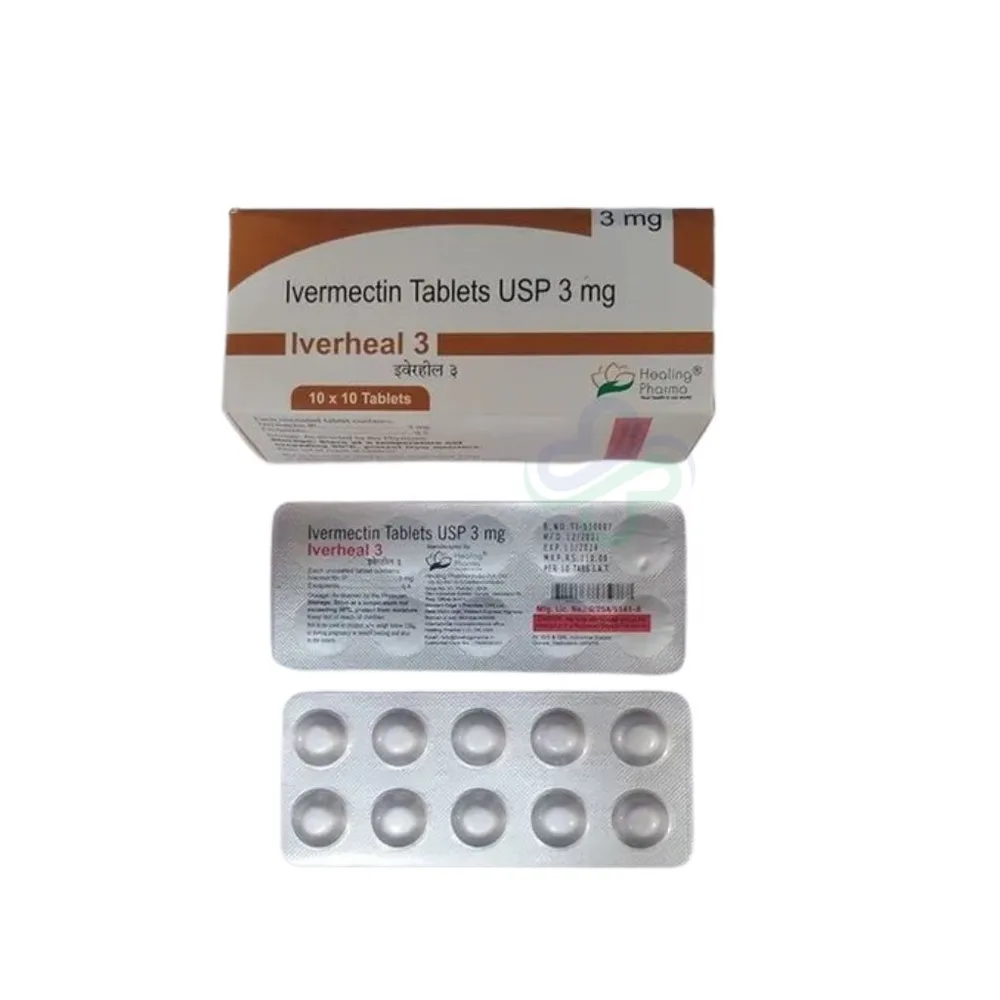
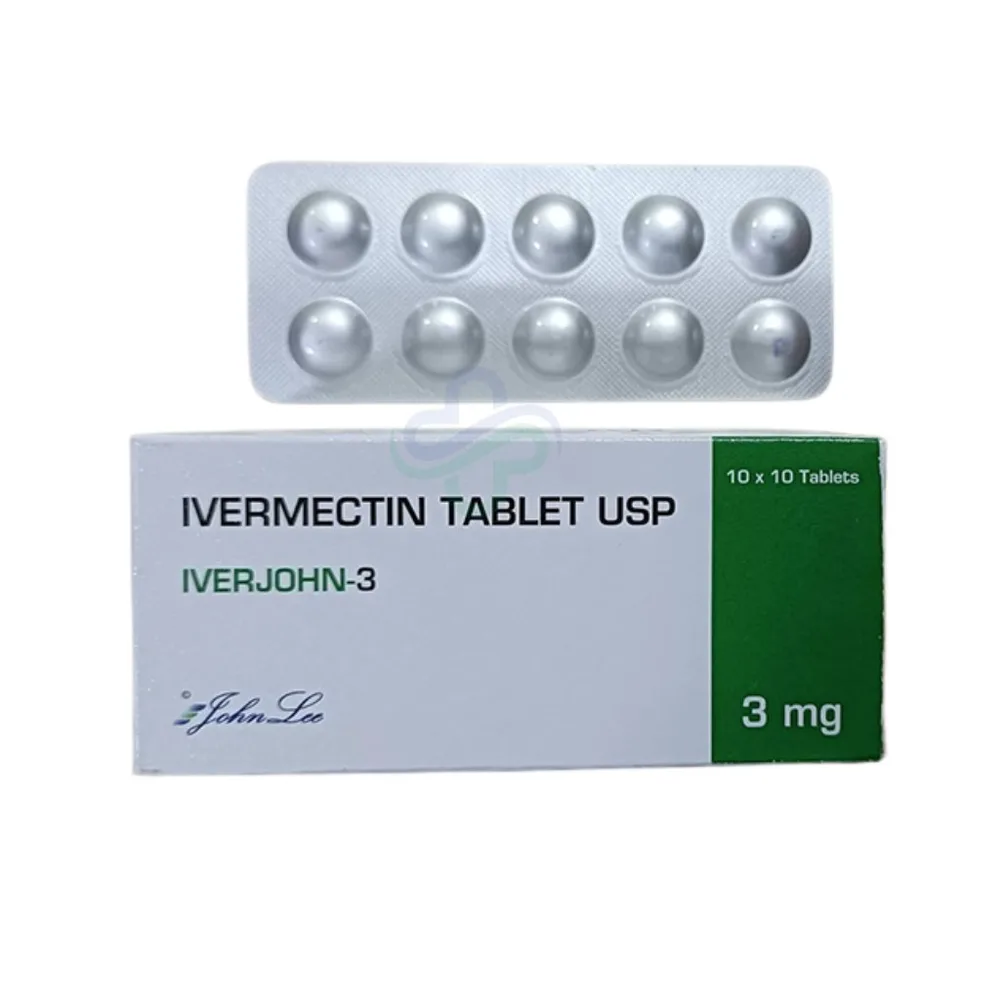
This table is reproduced from the current UK-licensed product information for reference only — it isn't a substitute for a prescriber confirming your exact dose. Medionix Pharma's 3 mg ivermectin tablets and Iverjohn 3 mg tablets are the strength referenced in this table, though the number required is always determined by your prescriber, not calculated independently.
It's worth knowing that dosing detail can differ slightly outside the UK. US clinical guidance describes a single weight-based dose as generally sufficient for straightforward, uncomplicated infection, with some clinicians giving the same 200 mcg/kg dose on two consecutive days rather than as a single dose — this is a clinical judgement made by the treating doctor, not something to decide from an article. Follow-up stool testing is generally recommended afterwards to confirm the infection has actually cleared, since a single course doesn't guarantee eradication in every case.
Hyperinfection Syndrome and Disseminated Strongyloidiasis
This is the reason strongyloidiasis is taken seriously well beyond its usually mild presentation. In people whose immune system is significantly suppressed, the normal checks on autoinfection can fail, allowing larvae to multiply rapidly and spread — first throughout the gut and lungs (hyperinfection syndrome), and then, in the most severe cases, to organs well beyond the digestive and respiratory systems (disseminated strongyloidiasis). This is a medical emergency: case-fatality rates for hyperinfection and disseminated disease have been reported as approaching 90% without prompt treatment, largely because it's often not suspected until it's advanced, and because bacteria from the gut can be carried into the bloodstream alongside the migrating larvae, causing severe secondary infections.
The clearest known risk factors are:
- Corticosteroid use — even relatively short or moderate-dose courses have been linked to hyperinfection in people with unrecognised chronic strongyloidiasis; steroids appear to both suppress the immune response and directly favour larval development
- HTLV-1 infection — one of the most strongly established risk factors, associated with higher rates of treatment failure and hyperinfection
- Organ transplantation — both from pre-existing undiagnosed infection in the recipient becoming activated by post-transplant immunosuppression, and rare cases of transmission through an infected donor organ
- Other immunosuppression — including certain chemotherapy regimens, malnutrition, and (to a lesser degree than once thought) HIV, since the protective immune response to Strongyloides relies more on a different immune pathway than the one HIV primarily affects
Treatment for hyperinfection and disseminated disease is more intensive than for uncomplicated infection — extended daily ivermectin dosing for at least two weeks, or until stool testing is clear for two consecutive weeks, is a commonly cited approach in clinical references, sometimes alongside antibiotics to cover the secondary bacterial infections that can accompany it, and with immunosuppressive treatment reduced or stopped where that's clinically possible. This level of care is managed in hospital, by specialists — not something this article can guide you through.
Screening Before Immunosuppressive Treatment
Because hyperinfection is triggered by immunosuppression in someone who already has undiagnosed chronic strongyloidiasis, screening before starting certain treatments is a recognised precaution — particularly for people who have ever lived in, or travelled extensively through, a tropical or subtropical region. This is typically considered before starting long-term or high-dose corticosteroids, certain biologic or immunosuppressive drugs, or before organ transplantation and some chemotherapy regimens. If you fall into this category, this is a conversation to have proactively with whoever is planning your treatment, so testing (blood and/or stool) and, if needed, treatment can happen before immunosuppression begins rather than after a complication develops.
How Do You Know Treatment Has Worked?
Because a single course doesn't guarantee eradication in every case, and because relapse or reinfection is possible, clinical guidance generally recommends confirming clearance with follow-up stool and/or blood testing — sometimes repeated over one to two years, particularly where the initial diagnosis relied on a less sensitive test. Persistent unexplained eosinophilia after treatment is one of the signals that prompts a doctor to re-test rather than assume the infection is gone.
Side Effects and Safety
At the doses used for strongyloidiasis, ivermectin's side-effect profile is similar to its use for other approved indications — dizziness, nausea, diarrhoea, and mild skin reactions are among the more commonly reported effects, and serious reactions are uncommon. Our dedicated ivermectin side effects guide covers the full common-to-serious breakdown, including what to watch for and when to get urgent help. The formal contraindication, per the UK SmPC, is hypersensitivity to ivermectin or any ingredient in the tablet; safety in children under 15 kg hasn't been established, and use in pregnancy is generally reserved for situations where a doctor judges the benefit clearly outweighs any risk.
Strongyloidiasis in the UK
Strongyloidiasis isn't something most UK residents will ever encounter through everyday exposure — it's typically diagnosed in returning travellers, people who've lived or worked abroad for extended periods, or migrants and refugees from endemic regions, and is confirmed through blood or stool testing rather than symptoms alone. Ivermectin is licensed for this indication in the UK, and care is generally coordinated through a GP referral to an infectious disease or tropical medicine specialist rather than managed in primary care alone. For the fuller picture on UK prescribing routes, NHS availability, and how UK licensing compares with other countries, see our guide to ivermectin tablets in the UK.
Sources & References
This article was written for general education and cross-checked against the following sources at the time of publication. Clinical guidance and product information are updated periodically — always check current sources or ask your prescriber for anything specific to your situation.
- electronic Medicines Compendium (emc) — Ivermectin 3mg Tablets, Summary of Product Characteristics
- NIH National Library of Medicine, NCBI Bookshelf (StatPearls) — Strongyloidiasis
- MedlinePlus (U.S. National Library of Medicine, NIH) — Ivermectin (oral): Drug Information
- Centers for Disease Control and Prevention (CDC) — About Strongyloides
- Centers for Disease Control and Prevention (CDC) — Clinical Care of Strongyloides
Medical Disclaimer
This article is for general educational purposes and does not constitute individual medical advice. It is not a substitute for a consultation with a qualified doctor or pharmacist, who can assess your specific health situation, test results, and whether ivermectin is the right option for you. See our full Disclaimer Policy for more information.