Quick Answer: Does Ivermectin Treat Onchocerciasis?
Yes. Ivermectin is the mainstay treatment for onchocerciasis (river blindness), typically given as a single dose repeated annually — sometimes twice yearly — for many years, both for individual patients and as part of large-scale public health mass treatment programmes. One important distinction worth knowing upfront: onchocerciasis is not one of the three indications listed in the current UK-licensed product information for ivermectin 3 mg tablets, unlike in the United States, where it is FDA-approved. This makes UK management of a suspected case a specialist matter, covered further down.
What Is Onchocerciasis?
Onchocerciasis is a parasitic disease caused by the worm Onchocerca volvulus, transmitted through repeated bites from blackflies of the Simulium genus, which breed in fast-flowing rivers and streams — hence the common name "river blindness." According to the World Health Organization (WHO), more than 99% of infected people live in Africa and Yemen, with the remaining cases found along the Brazil-Venezuela border; an estimated 252.3 million people needed preventive treatment for it in 2024.
How Does Onchocerciasis Affect the Body?
Adult worms live in nodules under the skin and can survive for many years, continuously releasing microfilariae (larvae) that migrate through the skin and eyes. This causes two main categories of disease:
- Skin disease: severe, often intense itching, and a range of skin changes including rash, disfiguring skin thickening, and pigmentation changes over time
- Eye disease: microfilariae migrating into eye tissue can cause progressive damage, and, without treatment, permanent blindness — this is the complication the "river blindness" name refers to
Less widely known: WHO also recognises an association between early-life exposure to O. volvulus infection and epilepsy in children, including a specific condition called nodding syndrome seen in some endemic communities. This adds to why sustained control programmes matter well beyond preventing blindness alone.
Why Ivermectin — and What It Doesn't Do
Ivermectin kills the microfilariae, reducing skin and eye damage and interrupting transmission (since blackflies can only pick up microfilariae from an infected person's skin), but it has limited effect on the long-lived adult worms themselves. This is why treatment isn't a one-off single dose the way it can be for some other parasitic infections — WHO recommends ivermectin administration at least once yearly, for 10 to 15 years, precisely because adult worms keep producing new microfilariae for years after any single dose. This is the same underlying reason our lymphatic filariasis guide explains for that related mosquito-borne condition: ivermectin controls the larval stage, not necessarily the source.
Global Treatment: Community-Directed Treatment and Elimination Programmes
Beyond individual treatment, ivermectin is central to one of the longest-running mass drug administration efforts in global health. Community-directed treatment with ivermectin (CDTI), coordinated historically through the African Programme for Onchocerciasis Control (APOC) and its successor, the Expanded Special Project for Elimination of Neglected Tropical Diseases (ESPEN), delivers annual or twice-yearly ivermectin doses to entire at-risk communities across endemic African regions, alongside blackfly vector control. This large-scale approach is what's driven onchocerciasis from a leading cause of blindness in some regions toward elimination in a growing number of countries.
Ivermectin Dosage for Onchocerciasis
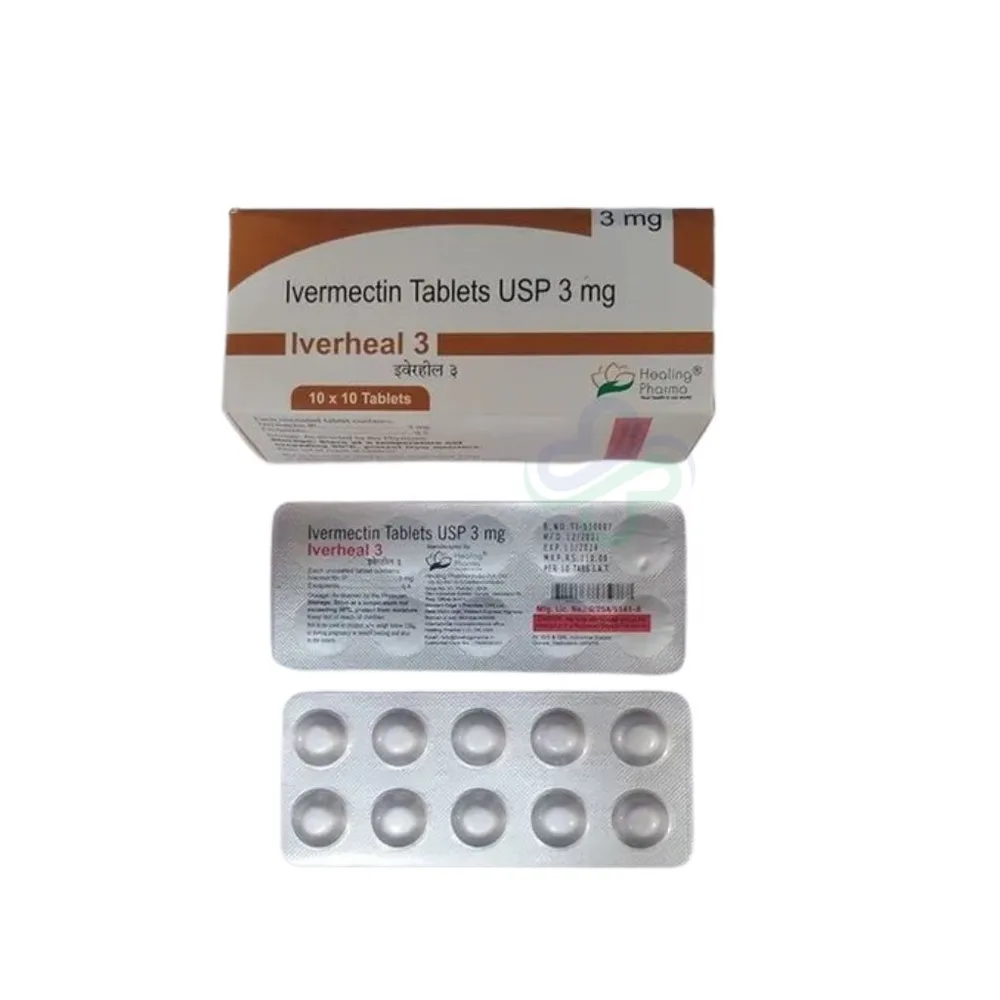
Where ivermectin is licensed for onchocerciasis (notably in the US), dosing is weight-based, aiming for a single dose of approximately 150 micrograms of ivermectin per kilogram of body weight. According to US FDA-approved prescribing information, the typical published weight-based table runs as follows:
| Body Weight | Single Dose |
|---|---|
| 15–25 kg | 1 tablet (3 mg-equivalent dose) |
| 26–44 kg | 2 tablets |
| 45–64 kg | 3 tablets |
| 65–84 kg | 4 tablets |
| ≥85 kg | Dose calculated individually at 150 mcg/kg |
For individual patients, retreatment may be considered at intervals as short as three months if symptoms persist or recur; mass distribution programmes most commonly use a 12-month interval. This table reflects US-approved labeling and is included for general reference — it is not a substitute for an individualised assessment by the specialist managing your care, and, as covered below, it doesn't directly apply to routine UK prescribing since onchocerciasis isn't a UK-licensed indication for this product.
The Mazzotti Reaction
When large numbers of microfilariae die off rapidly after a dose — more likely with a heavier existing parasite burden — some people experience a reaction to the dying parasites themselves, known as a Mazzotti reaction: itching, rash, swollen lymph nodes, fever, and joint or muscle pain, usually within the first day or two after treatment. This is a recognised, expected part of treatment in areas with ongoing transmission, managed by the treating clinician, rather than a sign that something has gone wrong with the medicine. It's a different phenomenon from a true drug allergy, though both can cause a rash, and it's why treatment in endemic settings is generally clinician-supervised rather than self-administered.
Loa loa Co-Infection: A Specific, Serious Safety Issue
This is the single most important safety consideration in mass ivermectin treatment for onchocerciasis, and it's specific to certain West and Central African regions where a different filarial parasite, Loa loa (African eye worm), is also endemic. In people with a very heavy Loa loa microfilarial load, ivermectin treatment has, in rare cases, triggered serious neurological reactions — encephalopathy — including confusion, difficulty standing or walking, loss of bladder or bowel control, and, in the most severe cases, coma. Since 1990, published data describe more than 500 such cases during mass treatment programmes, with around 60 deaths, almost all reported from southern Cameroon. These reactions have occurred specifically in people with Loa loa microfilarial densities above roughly 30,000 microfilariae per millilitre of blood, and disorders of consciousness have been linked to densities above roughly 50,000/mL.
Because of this, mass treatment programmes in Loa loa-endemic areas now use pre-treatment screening tools — including a point-of-care test called the LoaScope — to identify people with a high Loa loa burden and exclude or manage them differently (a "test-and-not-treat" approach) before community-wide ivermectin distribution, rather than treating everyone uniformly. This is a programme-level safeguard managed by public health teams, not something an individual patient organises themselves.
Onchocerciasis in the UK
Onchocerciasis is not transmitted in the UK, and — unlike strongyloidiasis, lymphatic filariasis, and scabies — it is not currently listed as a licensed indication in the UK Summary of Product Characteristics (SmPC) for ivermectin 3 mg tablets. In practice, this means a UK case (almost always in someone who has lived in or travelled extensively through an endemic region) would be identified and managed through an infectious disease or tropical medicine specialist, who would arrange appropriate diagnosis and treatment through the correct clinical and regulatory channels for that specific situation — this isn't something available through routine GP prescribing in the way scabies treatment is. See our guide to ivermectin tablets in the UK for the full picture on what is routinely licensed here.
Diagnosis
Onchocerciasis is typically diagnosed through a skin snip test (a small, painless sample of skin examined under a microscope for emerging microfilariae) or, for eye involvement, a slit-lamp eye examination that can directly visualise microfilariae in the eye. Blood antibody tests are also used, particularly for people without an obvious skin snip finding.
Side Effects and Safety
Beyond the Mazzotti reaction and the specific Loa loa risk covered above, ivermectin's general side-effect profile for onchocerciasis is similar to its other uses — dizziness, nausea, and mild skin reactions are among the more commonly reported effects. Our full ivermectin side effects guide covers the broader common-to-serious breakdown. Contraindications and precautions (hypersensitivity, caution in significant liver impairment, pregnancy considerations) follow the same general pattern described in our main ivermectin guide.
Sources & References
This article was written for general education and cross-checked against the following sources at the time of publication. Public health guidance and product information are updated periodically — always check current sources for anything specific to your situation.
- World Health Organization (WHO) — Onchocerciasis fact sheet
- electronic Medicines Compendium (emc) — Ivermectin 3mg Tablets, Summary of Product Characteristics
- PubMed / National Library of Medicine — Loa loa encephalopathy temporally related to ivermectin administration reported from onchocerciasis mass treatment programs
- MedlinePlus (U.S. National Library of Medicine, NIH) — Ivermectin (oral): Drug Information
Medical Disclaimer
This article is for general educational purposes and does not constitute individual medical advice. It is not a substitute for a consultation with a qualified doctor, tropical medicine specialist, or pharmacist, who can assess your specific health situation and treatment options. See our full Disclaimer Policy for more information.