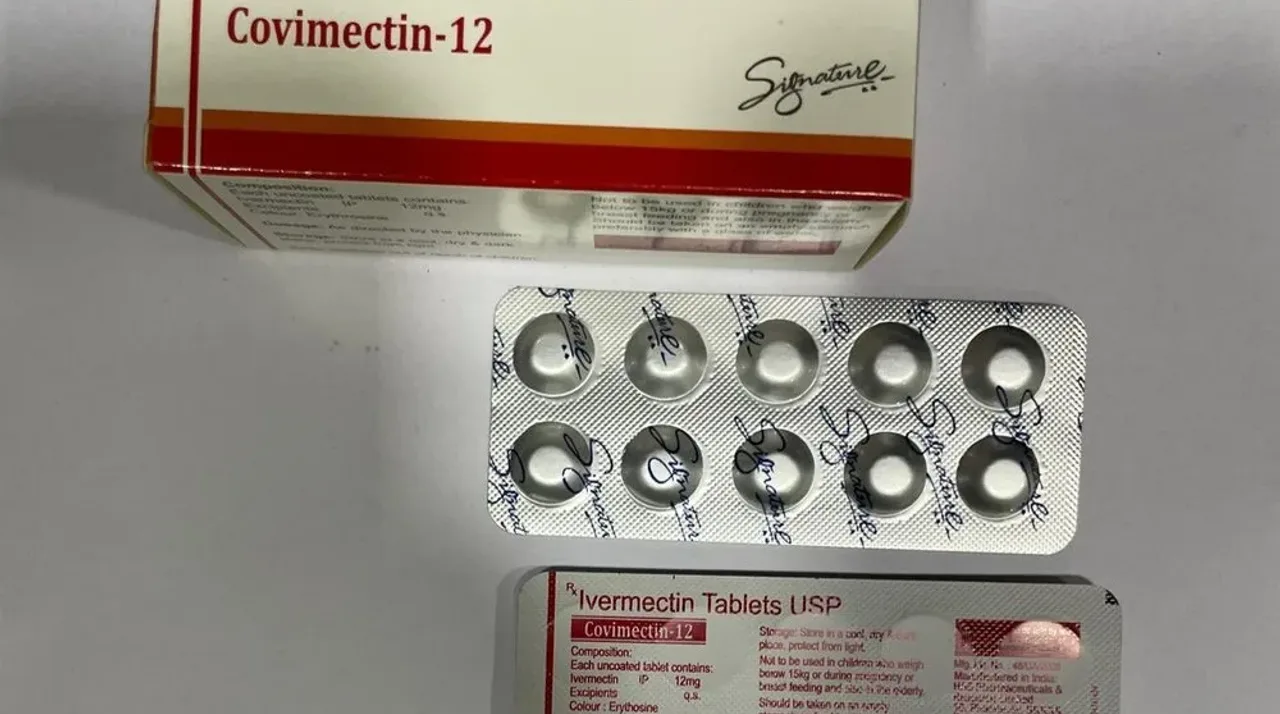
Quick Answer: Can Ivermectin Treat Scabies?
Yes. Oral ivermectin is licensed in the UK specifically for treating scabies, and it's a genuine treatment option — but it isn't the automatic first choice. In the UK, topical permethrin cream is usually tried first, and oral ivermectin tends to come in when topical treatment hasn't worked, isn't practical, or the case is more severe. Whether it's right for you is a decision for a doctor or pharmacist, based on your situation.
What Is Scabies?
Scabies is a skin infestation caused by a tiny mite called Sarcoptes scabiei. You can't see it without magnification — it burrows into the top layer of skin, lays eggs, and the intense itching most people associate with scabies is actually an allergic reaction to the mite, its eggs, and its waste, rather than the burrowing itself. That's also why the itch often takes two to six weeks to start after a first infestation, but can appear within a day or two if you've had scabies before.
It spreads through prolonged, direct skin-to-skin contact — sharing a bed, close family contact, caring for someone, or sexual contact. Brief contact like a handshake generally doesn't spread it. Because transmission needs close contact, guidance in the UK focuses not just on treating the person with symptoms, but on identifying and treating close contacts at the same time, so the infestation doesn't simply pass back and forth.
What Is Ivermectin and Why Is It Used for Scabies?
Ivermectin is an antiparasitic medicine — it works against parasites, not bacteria or viruses. Taken as a tablet, it's absorbed into the bloodstream and reaches the mites living in the skin, where it disrupts their nervous system and kills them.
It's worth being clear about something that causes genuine confusion: ivermectin also exists as a topical cream, but that formulation is licensed for a completely different condition (rosacea), not scabies. When people talk about "ivermectin for scabies," they mean the oral tablet. Don't assume a topical ivermectin product will treat scabies — it won't, and using the wrong product wastes time while the infestation continues.
Whether oral ivermectin is appropriate for your scabies isn't something to self-determine. It depends on things like how extensive the infestation is, whether topical treatment has already been tried, your weight, and your broader health — all of which a prescriber weighs up together. For a broader look at how ivermectin works and its general safety profile beyond scabies, see our main ivermectin guide.
Is Ivermectin Licensed/Prescribed for Scabies in the UK?
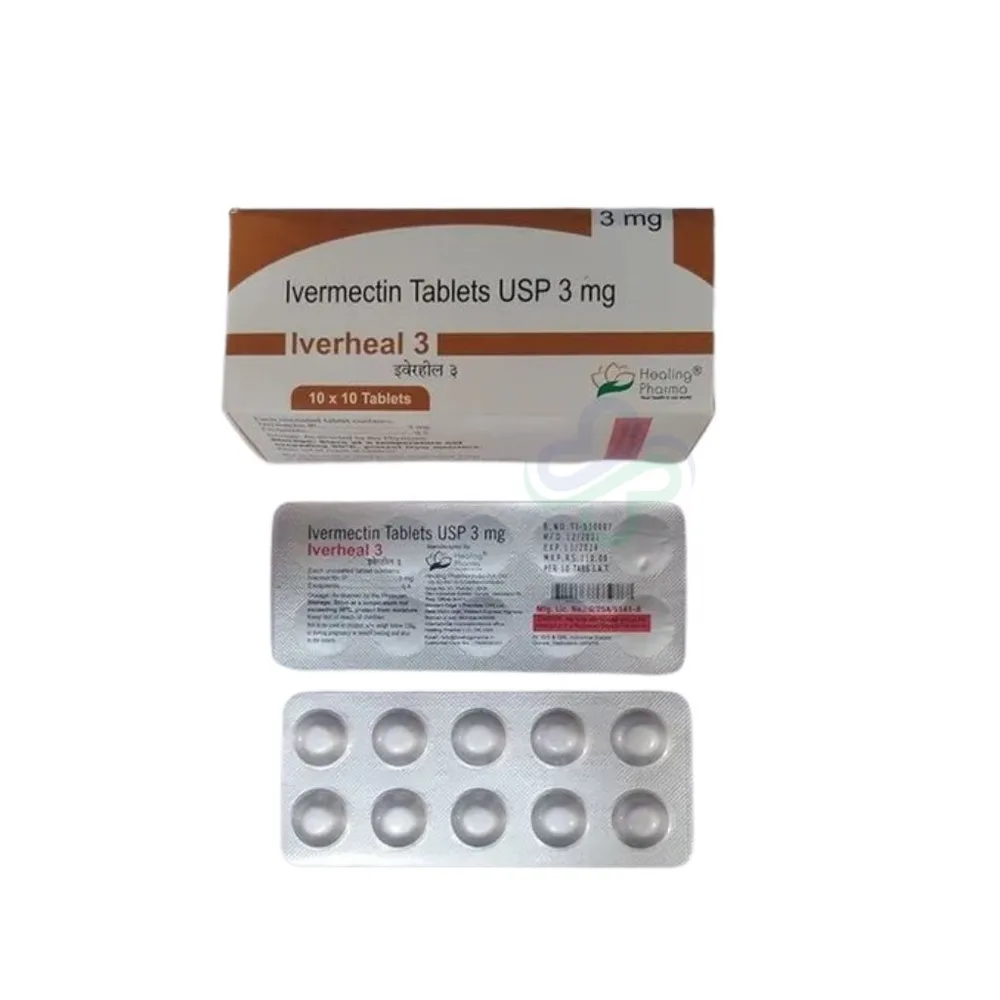
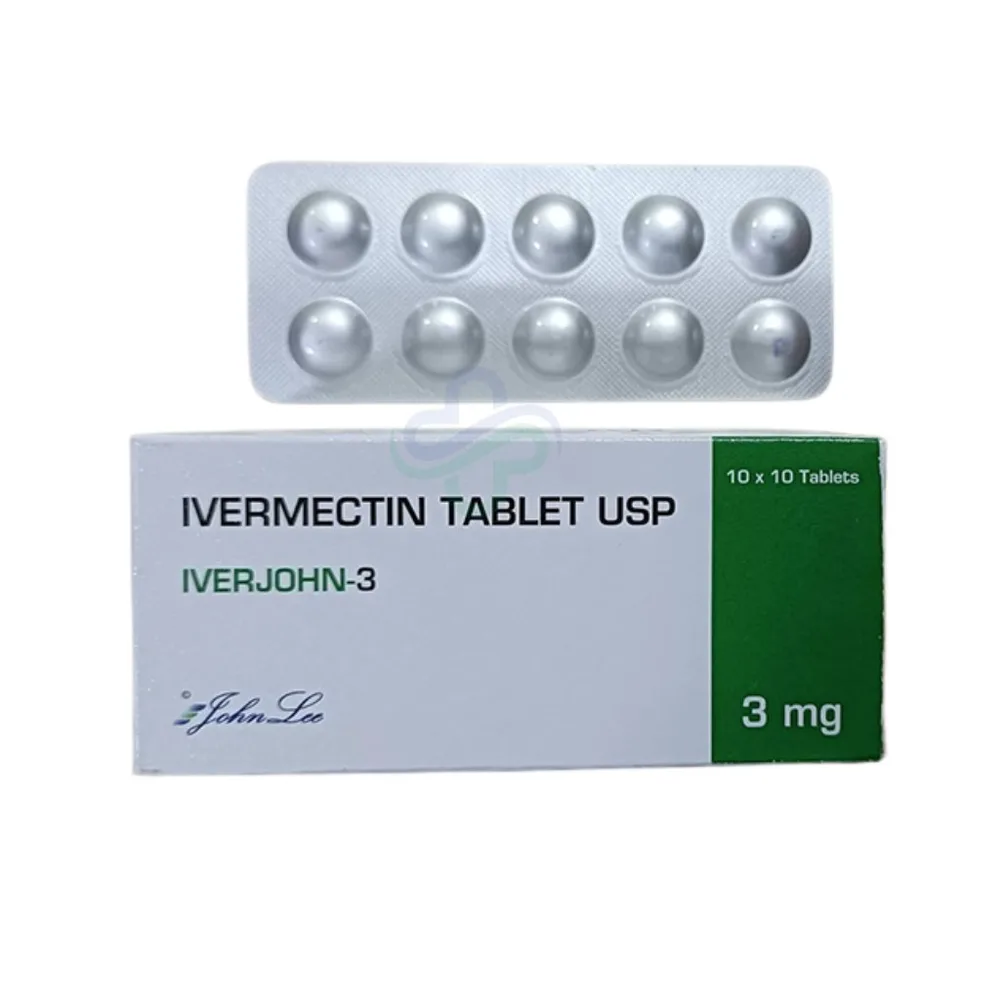
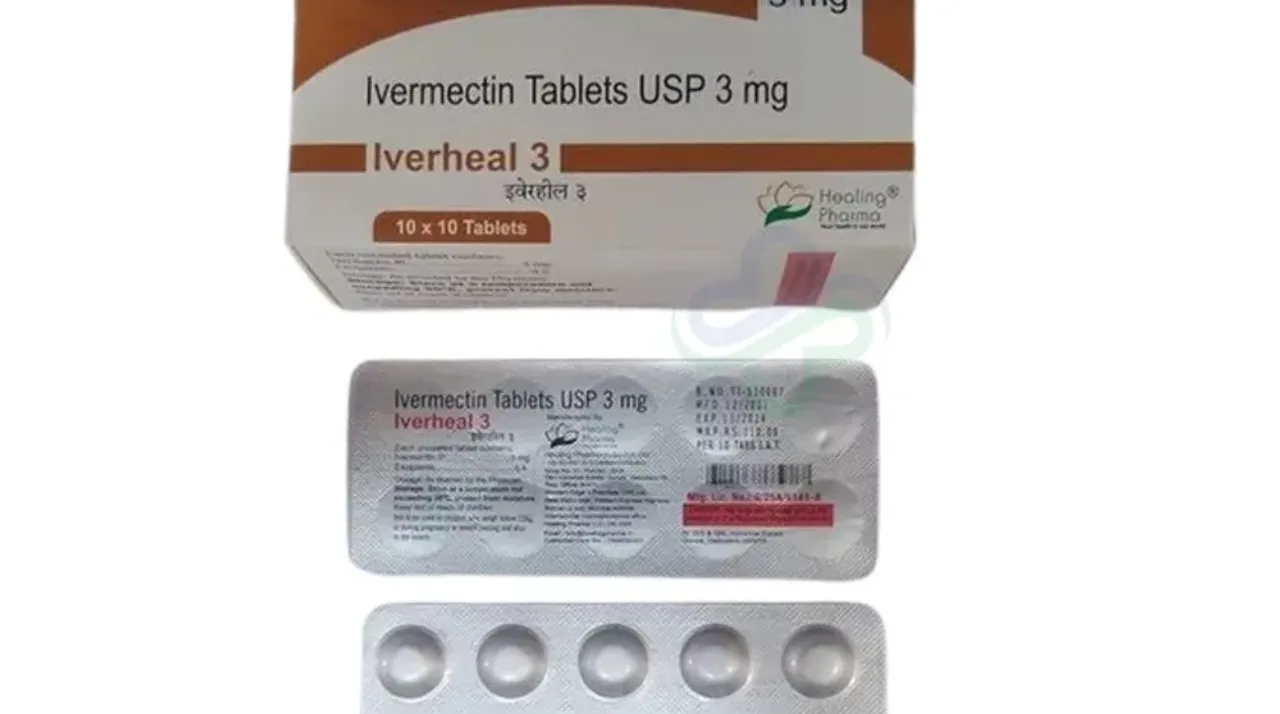
Yes — this is worth stating precisely, because the terms get mixed up a lot. Ivermectin 3 mg tablets are licensed in the UK for "treatment of human sarcoptic scabies," according to the product's Summary of Product Characteristics (SmPC) on the electronic medicines compendium (emc). It's also prescription-only — you can't buy it over the counter, and a UK pharmacy cannot dispense it without a valid prescription from a doctor or an appropriately qualified prescriber.
Licensed and prescription-only don't mean "first choice," though. UK Health Security Agency (UKHSA) guidance on managing scabies still positions topical permethrin cream as the standard first-line treatment, with oral ivermectin used more selectively — which is what the next section covers. For the wider picture on UK licensing beyond scabies — including strongyloidiasis, lymphatic filariasis, the NHS, and getting a prescription — see our guide to ivermectin tablets in the UK.
When Might a Doctor Consider Oral Ivermectin for Scabies?
Based on current UK guidance, oral ivermectin tends to come into the picture in a handful of situations rather than being reached for automatically:
- When topical treatment (permethrin) has already been tried properly — typically two applications, a week apart — and hasn't worked
- When applying a topical cream correctly to the whole body is difficult in practice, for example in some care home settings, or where a large number of people need treating at once during an outbreak
- When the infestation is severe or extensive — sometimes described as "profuse" scabies
- For crusted scabies specifically (covered in more detail further down), where oral ivermectin is typically used alongside a topical treatment, not instead of it
This list reflects UK clinical guidance from UKHSA and the British Association of Dermatologists rather than a fixed rulebook — your GP or prescriber will look at your specific circumstances rather than ticking boxes against this list.
Ivermectin Dosage for Scabies: How the Dose Is Determined
According to the SmPC for Ivermectin 3 mg tablets, the licensed dose for scabies is a single oral dose providing 200 micrograms of ivermectin per kilogram of body weight. In practice, that means the number of tablets is worked out from your actual weight — it is not the same tablet count for every adult, and it is never something to calculate yourself from a general formula found online.
A few points the official product information makes clear:
- It's taken as a single dose, not a daily course
- A second dose is sometimes needed for more severe ("profuse" or crusting) scabies, on your prescriber's advice — not routinely for everyone
- Safety in children weighing less than 15 kg hasn't been established, which is why weight (not just age) matters for whether oral ivermectin is even an option
We haven't included a dosage calculator on this page, deliberately. Your exact dose needs to be confirmed by whoever prescribes it, using your actual weight and the current SmPC — not estimated from an article. Medionix Pharma's own 3 mg ivermectin tablets are the same strength referenced in the UK SmPC, though the exact number of tablets for your dose is still calculated by weight, not fixed.
How Is Ivermectin Taken for Scabies?
Per the SmPC, the tablet is taken as a single dose with water, on an empty stomach — no food for two hours before or two hours after. In children under 6, the tablet should be crushed before swallowing rather than given whole. Beyond that, follow whatever your pharmacist writes on the label for your specific prescription, since individual instructions can vary slightly.
Ivermectin vs Permethrin for Scabies
These two treatments work differently and aren't really in competition with each other so much as used at different points in the same treatment pathway.
| Treatment | Type | How it's used | When it may be considered | Important considerations |
|---|---|---|---|---|
| Permethrin 5% cream | Topical | Applied to the whole body (guidance for young children and older adults includes the face and scalp too), left on for around 8–12 hours or overnight, then washed off; usually repeated after 7 days | Standard UK first-line treatment for most people with scabies | Needs to be applied correctly and to the entire body to work — missed areas are a common reason treatment doesn't fully succeed |
| Ivermectin tablets | Oral | Single dose by mouth, calculated by body weight, on an empty stomach | Topical treatment has failed, is impractical to apply properly, the infestation is extensive, or for crusted scabies alongside a topical treatment | Prescription-only; dosing and suitability depend on weight and individual health factors |
Neither is universally "better" — which one applies to you depends on your situation, and that's a clinical decision, not a personal preference.
Can Ivermectin and Permethrin Be Used Together?
Sometimes, yes — and this isn't unusual or a sign that something has gone wrong. Crusted scabies in particular is typically treated with both a topical scabicide and oral ivermectin together, because the mite burden is far higher and harder to clear with either treatment alone. Combined treatment is also used where topical treatment has already failed on its own. This is a decision made by whoever is treating you, based on how you've responded so far — it isn't something to combine on your own initiative without medical advice.
How Long Does Ivermectin Take to Work for Scabies?
The mites themselves are typically killed within a day or two of a correctly taken dose. Here's the part that catches people out, though: the itching doesn't switch off at the same speed. It's an allergic reaction, and allergic reactions can take a couple of weeks — sometimes longer — to settle down even after every mite is gone. So finishing treatment and still itching a week or two later isn't automatically a sign that treatment has failed.
Why Am I Still Itching After Taking Ivermectin?
This is one of the most common concerns after treatment, and there are several possible explanations:
- Post-scabetic itch — lingering irritation from the allergic reaction, even though the mites are dead. This can reasonably last a few weeks.
- Incomplete treatment — if a second dose was needed but not given, or if a topical treatment wasn't applied to the whole body
- Reinfestation — picking scabies up again, often from a close contact who wasn't treated at the same time
- Treatment failure — less common, but possible, particularly if the case was severe or crusted scabies wasn't identified initially
We can't tell you which of these applies to you from a symptom description alone, and neither should any article. If itching is severe, getting worse rather than better, or still present after around 2–4 weeks, that's a reasonable point to go back to whoever treated you rather than assuming it will resolve on its own.
Ivermectin Side Effects
Common side effects
The SmPC lists effects including dizziness, tremor, drowsiness, nausea, vomiting, diarrhoea, abdominal pain, and fever as among the more commonly reported.
Less common but important reactions
Transient eosinophilia (a temporary rise in a type of white blood cell, usually only picked up on a blood test) has been reported, along with vertigo. Severe skin reactions — Stevens-Johnson syndrome and toxic epidermal necrolysis — are listed in the product information as rare but serious risks.
Serious symptoms requiring medical attention
Encephalopathy (a general term for brain dysfunction, which can show up as confusion, altered consciousness, or unusual behaviour) is listed among the reported effects. Seek urgent medical help for severe confusion, difficulty staying conscious, a widespread blistering or peeling rash, or signs of a severe allergic reaction such as facial swelling or difficulty breathing. Our full side effects guide covers overdose signs, topical products, and who's more at risk in greater depth.
Who Should Not Take Ivermectin or Needs Extra Medical Advice?
According to the SmPC, the only formal contraindication is hypersensitivity to ivermectin or any ingredient in the specific tablet. Beyond that, extra caution or discussion with a prescriber is appropriate if you weigh less than 15 kg (safety hasn't been established below this weight), if you're pregnant or breastfeeding, or if you have other significant health conditions or take other medicines regularly. This isn't a complete list of everything a prescriber checks — it's what's specifically documented in the current product information. Our ivermectin safety overview covers the wider precautions that apply across ivermectin's licensed uses, not just scabies.
Ivermectin During Pregnancy and Breastfeeding
The SmPC references safety data from around 300 pregnancies exposed to ivermectin without adverse effects being identified, but it still recommends the medicine "should only be used when strictly indicated" in pregnancy — in other words, when a doctor judges the benefit clearly justifies it, not as a routine choice. For breastfeeding, the SmPC notes that less than 2% of the administered dose passes into breast milk. Neither of these figures is a substitute for an actual conversation with your doctor or pharmacist if you're pregnant, trying to conceive, or breastfeeding — they need to weigh this against your specific situation.
Ivermectin Drug Interactions
Tell your prescriber and pharmacist about every medicine you're taking — prescribed, over-the-counter, and any supplements or herbal products — before starting ivermectin. This is standard practice for any new prescription and lets your pharmacist check your specific combination against current interaction data, which is more reliable than a generic list.
Scabies Treatment: What Else Matters Besides Ivermectin?
Treating the mites is only part of getting rid of scabies for good. UKHSA guidance places real emphasis on treating close contacts — people you've had prolonged skin-to-skin contact with, generally in the weeks before diagnosis — at the same time as you, even if they don't have symptoms yet, since the incubation period means they could be infested without knowing it. Treating one person while a partner or housemate goes untreated is one of the most common reasons scabies keeps coming back in a household.
Alongside treatment, UK guidance also recommends washing bedding, clothing, and towels used in the 48 hours before treatment at a hot temperature (around 60°C), or sealing items that can't be washed in a plastic bag for around 72 hours, since the mite can't survive long away from skin. In shared or communal settings — care homes, for example — UKHSA defines an outbreak as two or more linked cases within an 8-week period, at which point the local health protection team gets involved to help coordinate a wider response.
When Should You Speak to a Doctor or Pharmacist?
It's worth getting medical advice if:
- You think you have scabies but haven't had it confirmed — the itch and rash can look like several other skin conditions
- Topical treatment hasn't worked after a full, correctly applied course
- You notice thick, crusted patches of skin, which can indicate crusted scabies and needs prompt assessment
- Itching is severe, spreading, or still present after 2–4 weeks post-treatment
- You're pregnant, breastfeeding, or the person affected is a young child
- You develop a widespread rash, blistering, or signs of a severe reaction after taking ivermectin
None of these need to wait for a "bad enough" moment — a pharmacist is a reasonable first stop for most of them, and can point you toward a GP appointment if needed.
Ivermectin for Scabies in Children
The SmPC specifically notes that safety in children weighing under 15 kg hasn't been established, so weight — not simply age — is the deciding factor for whether oral ivermectin is even on the table for a child. Where it is used, tablets should be crushed before swallowing in children under 6. Beyond that, treatment decisions for children are made by a prescriber based on the child's specific weight, age, and circumstances — this isn't an area to make assumptions about.
Ivermectin for Crusted Scabies
Crusted scabies (sometimes called Norwegian scabies) is a different picture from typical scabies — it involves a far higher number of mites, thick crusted skin, and it's significantly more contagious. It tends to occur in people with a weakened immune system or reduced sensation, though it isn't limited to those groups. Because of the higher mite burden, treatment is usually more intensive than standard scabies — typically a topical scabicide combined with oral ivermectin, sometimes with more than one dose, rather than either treatment alone. This is a condition that warrants specialist medical assessment rather than home management, and if you or someone you're caring for has thickened, crusted skin alongside scabies-type symptoms, that's a reason to seek medical review promptly rather than trying standard treatment first. Medionix Pharma's ivermectin articles cover other aspects of treatment as this cluster grows.
Sources & References
This article was written for general education and checked against the following current UK sources. Product information and clinical guidance are periodically updated — always check the current SmPC/PIL for your specific prescribed product.
- electronic Medicines Compendium (emc) — Ivermectin 3mg Tablets, Summary of Product Characteristics
- electronic Medicines Compendium (emc) — Ivermectin 3mg Tablets, Patient Information Leaflet
- UK Health Security Agency (UKHSA) — Management of scabies cases and outbreaks in communal residential settings
- British Association of Dermatologists — Management of Scabies in the UK
Medical Disclaimer
This article is for general educational purposes and does not constitute individual medical advice. It is not a substitute for a consultation with a qualified doctor or pharmacist, who can assess your specific health situation, current medicines, and whether ivermectin is the right option for you. See our full Disclaimer Policy for more information.