What Is Ivermectin?
Ivermectin is a prescription antiparasitic medicine used to treat infections caused by certain worms (helminths) and, in topical form, to treat head lice and inflammatory bumps associated with rosacea. It belongs to a class of drugs called avermectins.
Ivermectin is not a single product — it's available as oral tablets (the form most people mean when they say "ivermectin"), and as separate topical formulations (cream and lotion) with entirely different approved uses. Which formulation, dose, and indication apply to you depends on your diagnosis, and that's determined by a doctor or pharmacist, not by this article.
What Is Ivermectin Used For?
Oral ivermectin's core, well-established uses are treating intestinal strongyloidiasis (a roundworm infection) and onchocerciasis (river blindness, caused by a parasitic worm spread by blackfly bites). Topical ivermectin is used for head lice and for the inflammatory bumps and pustules of rosacea. In some countries and clinical settings, oral ivermectin is also prescribed off-label for scabies.
| Condition / Use | Formulation | Important Notes |
|---|---|---|
| Strongyloidiasis (intestinal roundworm) | Oral tablet | Core FDA-approved and MedlinePlus-listed use; typically a short course determined by a prescriber |
| Onchocerciasis (river blindness) | Oral tablet | Widely used in WHO-supported treatment programs in endemic regions; dosing and repeat-treatment schedules are set by the treating clinician |
| Scabies | Oral tablet (licensed in some countries, including the UK; off-label in others) or prescribed topical scabicides | Not every ivermectin product is licensed for this use in every country — check with your pharmacist. See our UK-specific scabies guide for detail on licensing, dosing, and treatment. |
| Head lice | Topical lotion (e.g. Sklice-type products) | Applied to dry hair and scalp; this is a distinct product from the oral tablet |
| Rosacea (inflammatory lesions) | Topical cream (e.g. Soolantra-type products) | A different strength and formulation to the anti-lice lotion; not interchangeable |
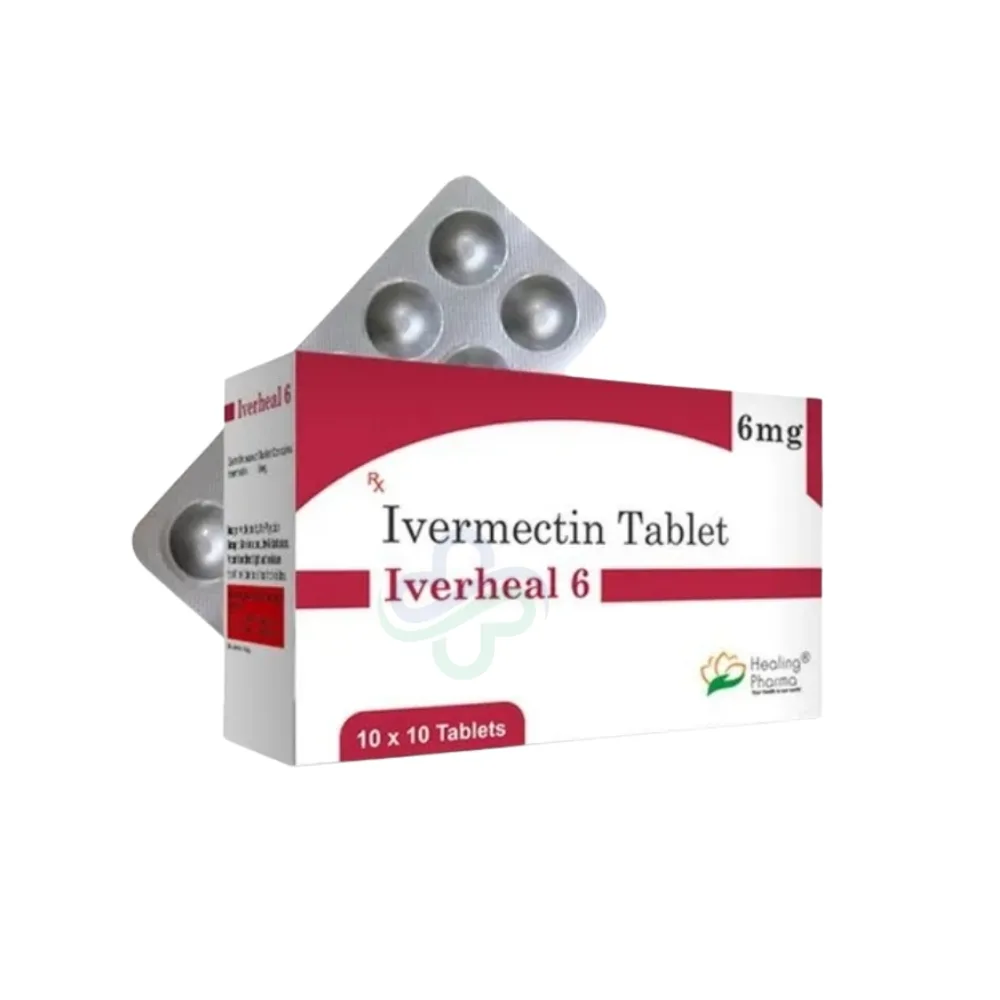
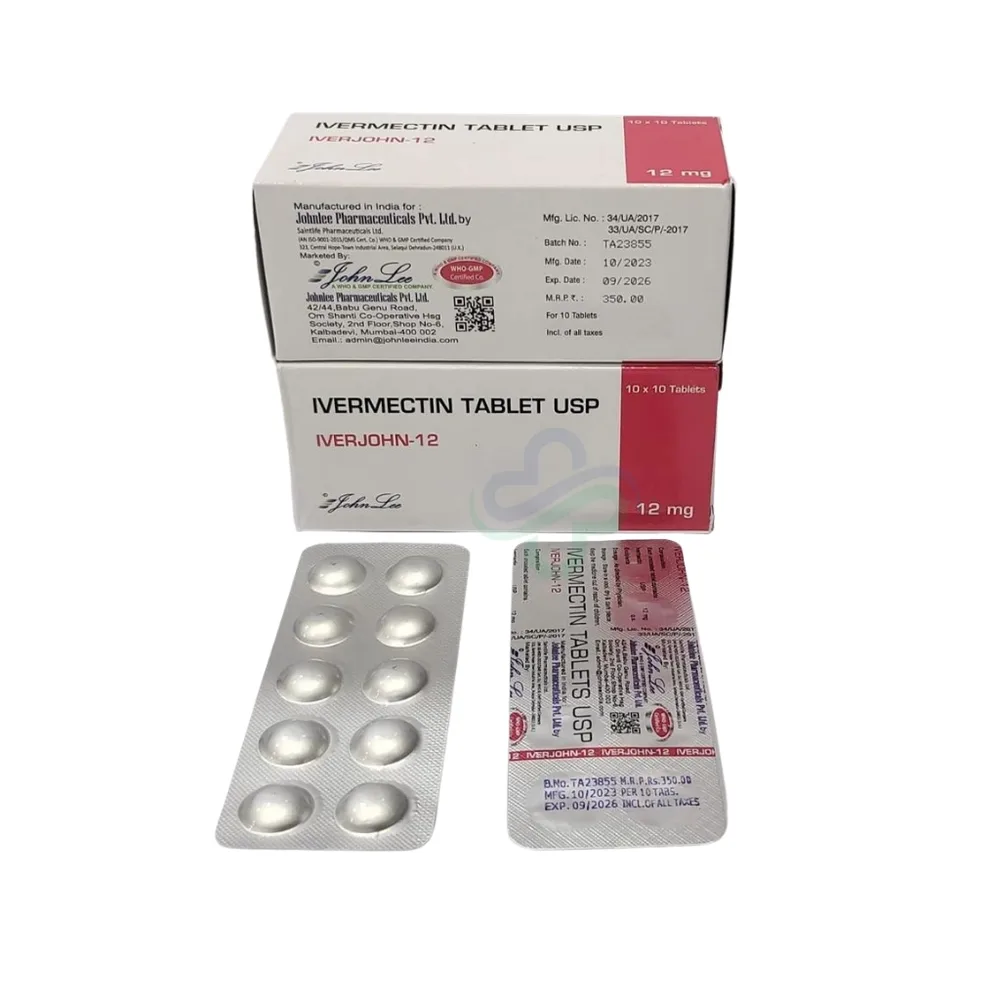
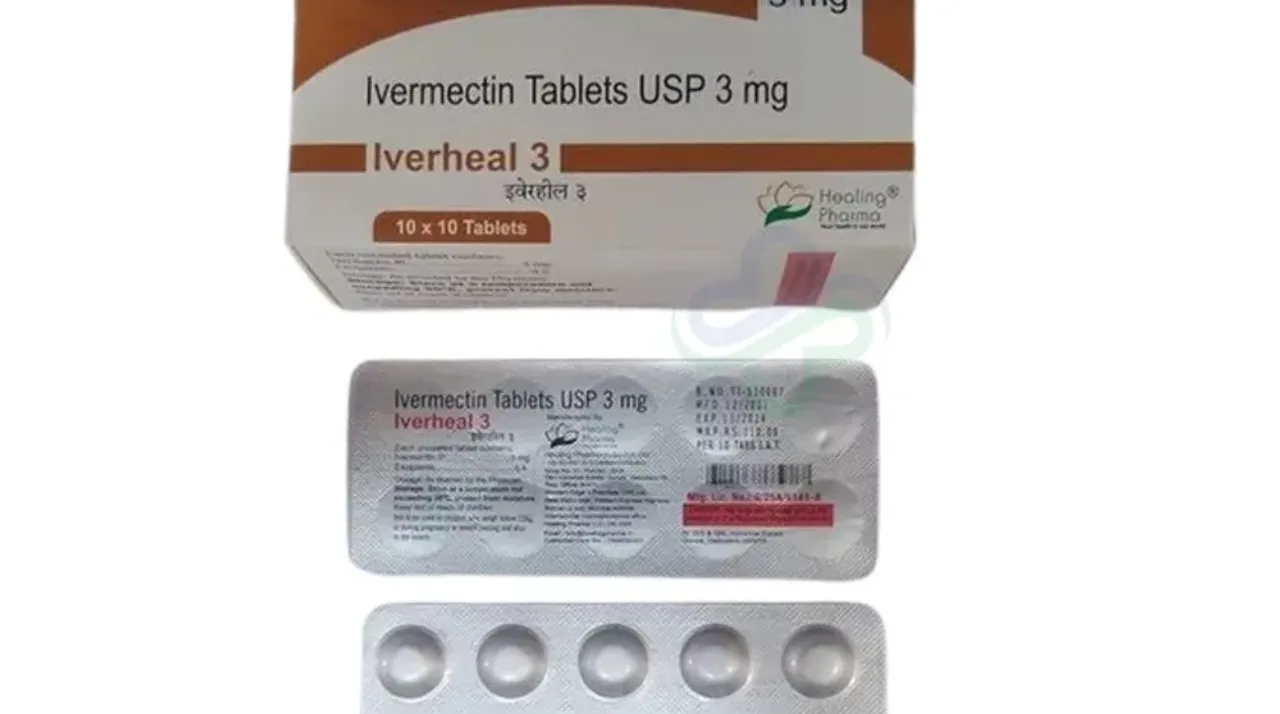
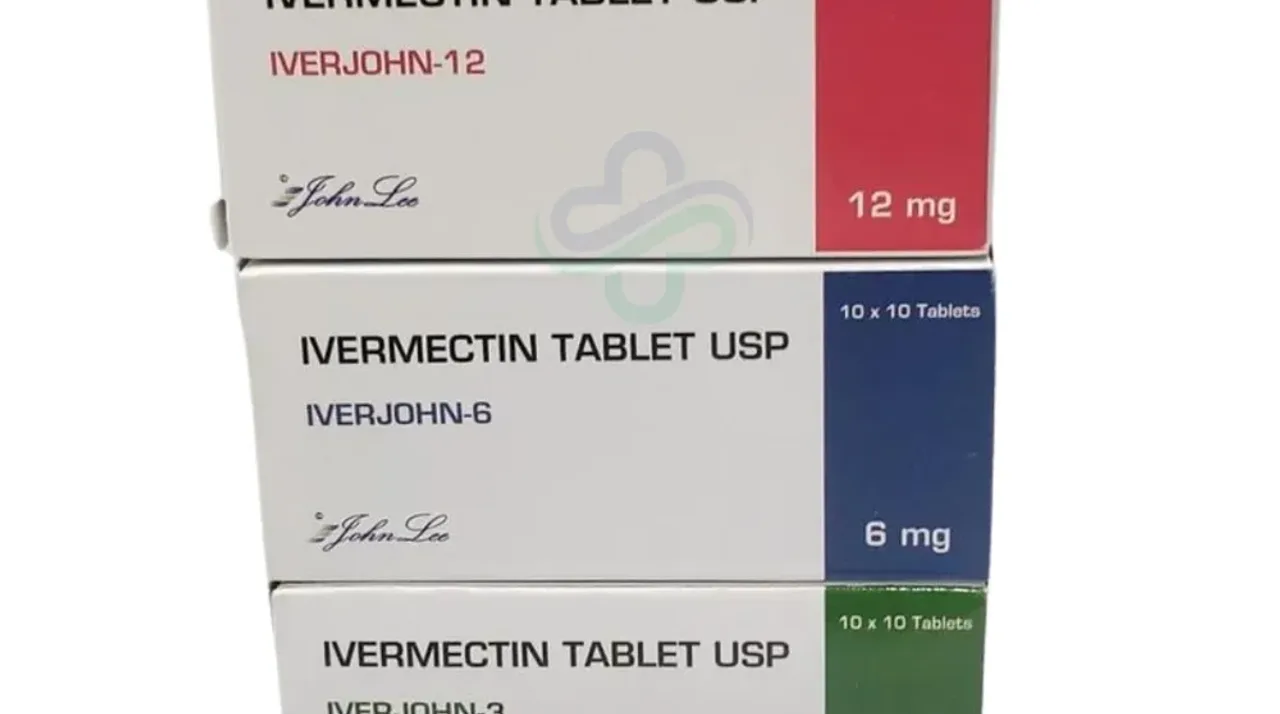
Not every ivermectin product on the market is licensed for every use above — always check the specific product's patient information leaflet or prescribing information for what it's approved for in your country. Prescribers here typically work from an oral tablet range such as Iverheal 6 mg or Iverjohn 12 mg.
How Does Ivermectin Work?
Ivermectin works by binding to chloride channels found in the nerve and muscle cells of parasites, causing paralysis and death of the parasite (or, in the case of lice, of the insect). These particular channels are far more common in invertebrate parasites than in humans, and in mammals they sit largely inside the central nervous system, behind the blood-brain barrier — a barrier that ivermectin does not readily cross at approved doses. That's the main reason the drug is generally well tolerated by the human host while remaining lethal to the parasite.
Ivermectin Dosage
There is no single "ivermectin dose." Oral dosing is calculated by a prescriber based on body weight and the specific condition being treated, and it also depends on the exact product and country you're in — always follow your prescriber's instructions and the official product information rather than a general number found online.
Dosing depends on several factors together, not any one of them in isolation:
- Condition being treated — strongyloidiasis, onchocerciasis, and scabies are typically dosed differently, sometimes as a single dose and sometimes as a short repeat course
- Body weight — oral ivermectin dosing is weight-based (commonly expressed as micrograms per kilogram), not a flat tablet count for everyone
- Age — dosing in children depends on weight and age thresholds set by the product's labeling
- Formulation — oral tablets, topical lotion, and topical cream are not interchangeable and are not dosed the same way
- Country/product labeling — the exact approved dosing schedule can differ between the UK's electronic medicines compendium (emc) entries and US FDA/MedlinePlus labeling for the equivalent product
- Clinical circumstances — kidney or liver function, other medicines you take, and pregnancy status can all affect what a prescriber recommends
Because of this, we haven't built a generic dosage calculator on this page — the safest source for your exact dose is the product's official patient information leaflet (PIL) or Summary of Product Characteristics (SmPC), or your prescriber directly.
How to Take Ivermectin
Oral ivermectin tablets are generally taken on an empty stomach with a full glass of water, as directed by your prescriber — taking it with food can change how much of the drug is absorbed. Topical formulations are applied to clean, dry skin or hair exactly as described on the product label; the lotion for head lice, for instance, is left on for a set number of minutes before rinsing.
This is general educational information, not a substitute for the specific instructions your doctor or pharmacist gives you for your prescription — always follow what's written on your dispensed medicine's label.
Missed Dose and Overdose
Many ivermectin courses are a single dose or a short course, so there's often little room to "make up" a missed one — if you're not sure what to do after missing a dose, contact your prescriber or pharmacist rather than guessing or doubling up.
An overdose is a medical emergency. Signs reported with ivermectin overdose include marked drowsiness, difficulty walking or standing, low blood pressure, and, in serious cases, seizures or loss of consciousness — this risk is significantly higher with concentrated veterinary/animal products (see below). If you suspect an overdose, contact your local poison control service or emergency services immediately, or go to the nearest emergency department.
Ivermectin 3 mg, 6 mg and 12 mg: What Do Tablet Strengths Mean?
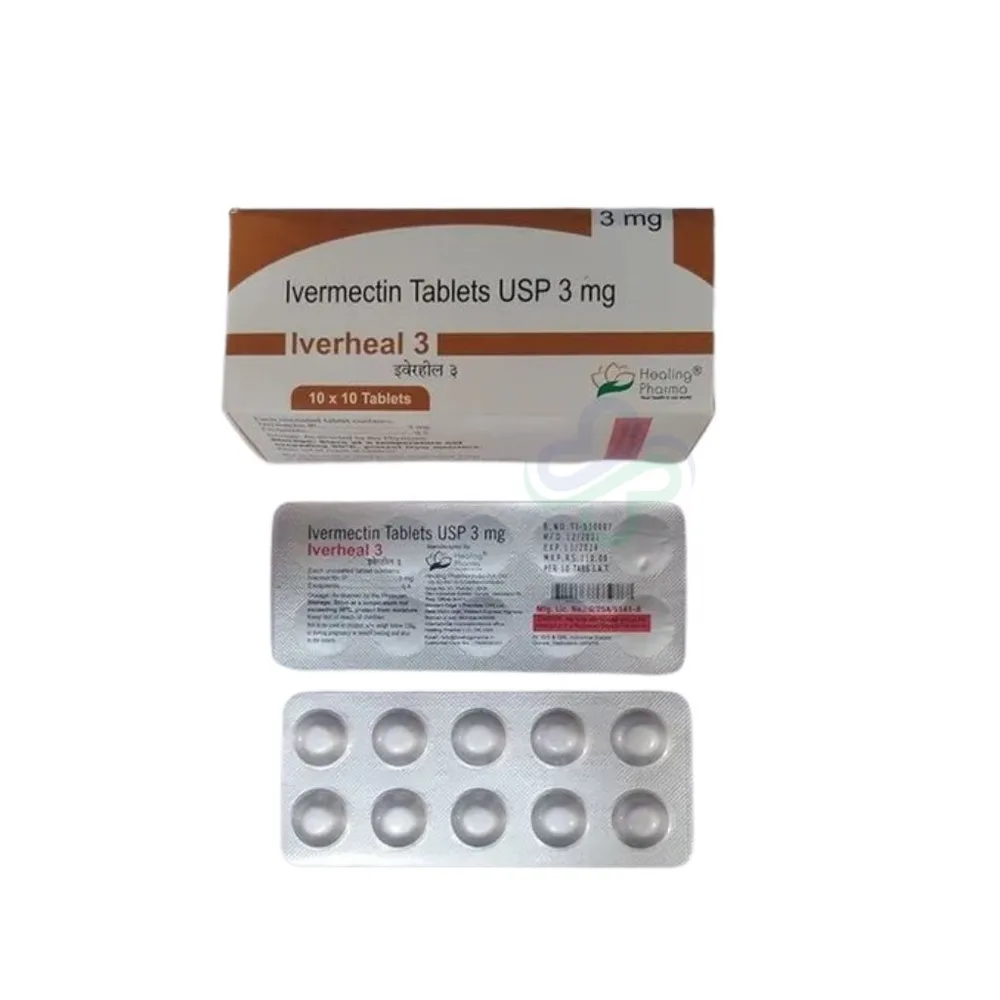
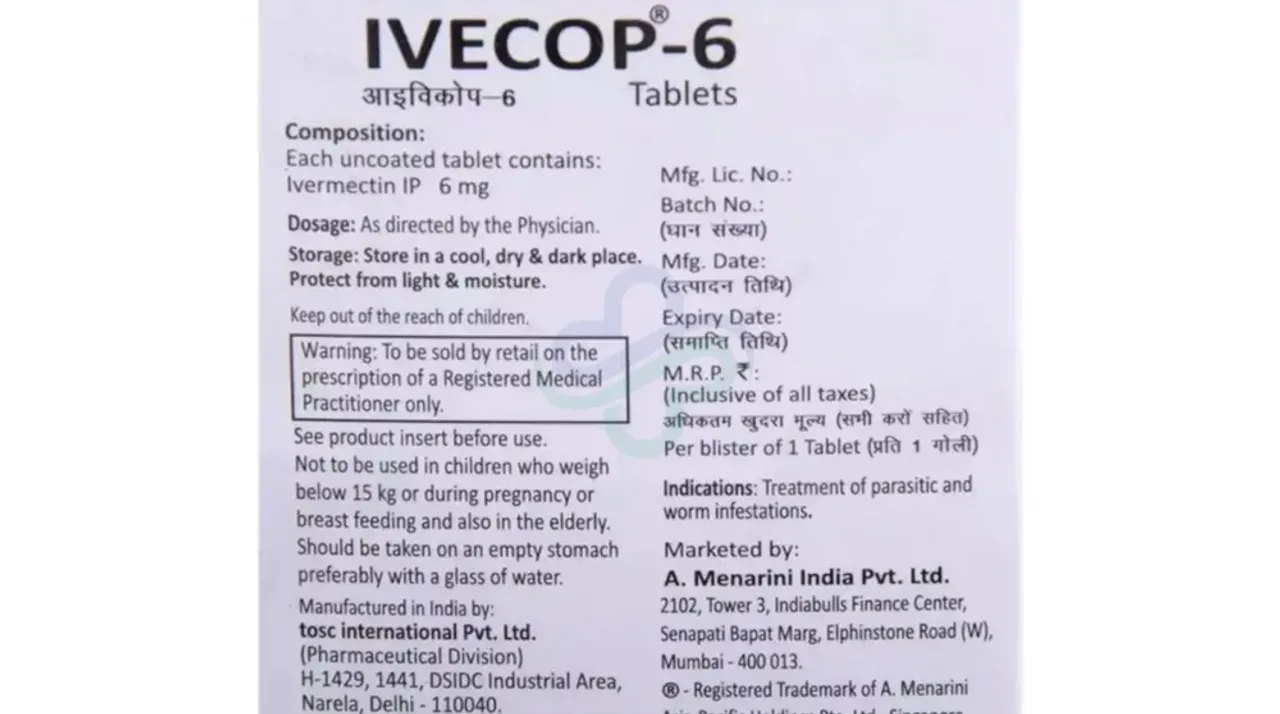
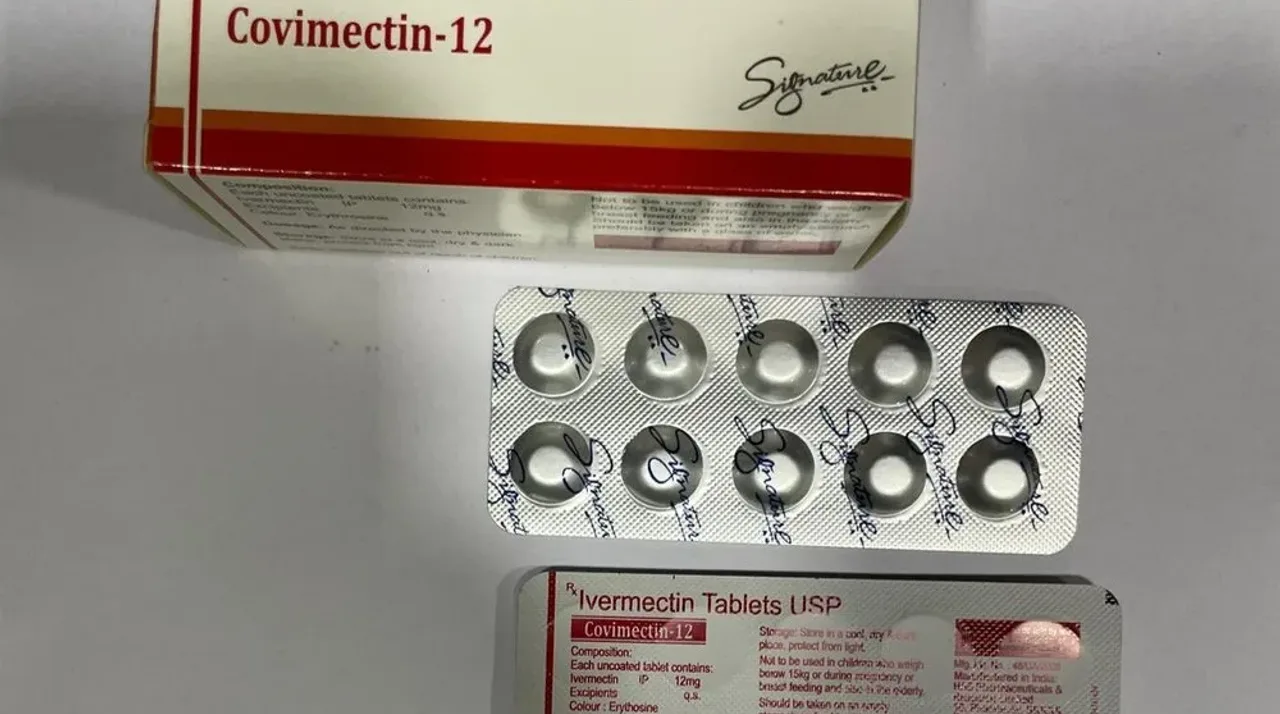
Oral ivermectin tablets are commonly manufactured in 3 mg, 6 mg, and 12 mg strengths (Medionix Pharma's own range of ivermectin tablets includes all three). These are simply different building blocks a prescriber uses to reach the correct total weight-based dose for a given patient — a higher milligram number is not "stronger medicine" or a better outcome for everyone; it just means fewer tablets are needed to reach the dose a clinician has calculated for that person's body weight and condition.
Two people with the same diagnosis can legitimately be prescribed different strengths, or a different number of tablets of the same strength, because their calculated dose differs. Never assume a higher-strength tablet is interchangeable with a lower one without a prescriber's guidance.
Ivermectin Side Effects
Common, expected adverse effects
At approved doses, ivermectin is generally well tolerated. Effects reported in official product information include dizziness, nausea, diarrhea, loss of appetite, mild skin rash or itching, headache, muscle pain, and fatigue. These are typically mild and self-limiting.
Serious adverse effects
Less commonly, ivermectin has been associated with more serious reactions, including significant skin reactions, low blood pressure, changes in liver enzymes, and, rarely, neurological symptoms such as confusion, balance problems, or seizures — these appear more often with incorrect or excessive dosing. In people being treated for onchocerciasis who have a heavy parasite burden, a reaction to dying parasites (sometimes called a Mazzotti-type reaction — fever, itching, swollen glands) can occur; this is a recognized part of treatment in that specific context and is managed by the treating clinician.
When to seek urgent medical attention
Contact a doctor or emergency services promptly if you experience signs of a severe allergic reaction (swelling of the face/throat, difficulty breathing, widespread rash), fainting or a sudden drop in blood pressure, seizures, or severe confusion after taking ivermectin. For a full breakdown of common, less common, and serious reactions — including topical products and overdose signs — see our dedicated ivermectin side effects guide.
Ivermectin Drug Interactions
Tell your doctor or pharmacist about every prescription medicine, over-the-counter medicine, and supplement or herbal product you're taking before starting ivermectin — this includes blood thinners, as changes in bleeding-related lab values have been reported in some patients taking ivermectin alongside anticoagulant medicines. Your pharmacist is best placed to check your specific medicine list against the product's official interaction data rather than relying on a general list.
Who Should Avoid or Use Ivermectin With Caution?
Official product information generally advises caution or closer monitoring for people with a history of central nervous system disorders, significant liver impairment, or — in mass-treatment programs for onchocerciasis specifically — co-infection with the parasite Loa loa, which has been associated with rare but serious neurological reactions in that specific context. People with known hypersensitivity to ivermectin or any ingredient in a specific product should not take it. This list isn't exhaustive: your prescriber will check your personal medical history against the specific product's official warnings before prescribing.
Ivermectin During Pregnancy and Breastfeeding
Official product information for ivermectin generally recommends it be used in pregnancy only if a doctor decides the benefit clearly outweighs any potential risk, reflecting limited safety data in pregnant people. Guidance on breastfeeding also varies by product and the age of the infant. This is not something to decide alone — if you are pregnant, trying to conceive, or breastfeeding, tell your prescriber before starting any ivermectin product so they can weigh this against your specific situation.
Oral vs Topical Ivermectin
Oral and topical ivermectin are not interchangeable, and their approved uses do not overlap. Oral tablets are absorbed into the bloodstream and are used for internal parasitic infections such as strongyloidiasis and onchocerciasis. Topical products act locally on the skin or scalp — the lotion formulation is approved for head lice, and the cream formulation is approved for the inflammatory lesions of rosacea, an entirely unrelated, non-parasitic skin condition.
Using an oral product topically, or expecting a topical product to treat an internal infection, is not appropriate. If you're unsure which formulation your prescription refers to, check with your pharmacist before use.
Ivermectin in the UK
In the UK, ivermectin is a prescription-only medicine (POM) — it is not available over the counter. According to the electronic medicines compendium (emc), UK-licensed ivermectin products include 3 mg oral tablets from several manufacturers, alongside a topical cream (marketed as Soolantra) licensed specifically for rosacea. Each product's full prescribing information and patient leaflet is published on the emc and should be checked for the exact licensed indications, dosing, and warnings that apply to that specific UK-marketed product.
UK-approved indications, exact dosing schedules, and safety warnings can differ in detail from US labeling for what is chemically the same drug — always refer to the UK-specific SmPC/PIL for a UK prescription rather than assuming US information applies directly. For the full picture on UK licensing, prescriptions, and the NHS, see our dedicated guide to ivermectin tablets in the UK.
Ivermectin in the USA
In the United States, the FDA has approved oral ivermectin tablets (originally marketed as Stromectol, now also available as generics) for intestinal strongyloidiasis and onchocerciasis. Topical formulations are also FDA-approved: a lotion for head lice and a cream for rosacea. All of these require a prescription in the US.
As in the UK, US labeling sets its own specific dosing, indications, and safety information for each approved product — MedlinePlus (a service of the U.S. National Library of Medicine) maintains consumer-friendly summaries of the current FDA-approved oral and topical labeling, linked in the Sources section below.
Ivermectin and COVID-19: What the Evidence and Regulators Say
Ivermectin is not approved by the FDA, and is not recommended by the WHO or CDC, for the prevention or treatment of COVID-19. This is Medionix Pharma's position because it is the current position of these regulators and public health agencies, not a claim we are making independently.
Early laboratory (petri-dish) research suggesting ivermectin affected the virus that causes COVID-19 used drug concentrations far higher than what's safe to achieve in the human body with approved dosing, and did not test ivermectin in people or animals. Subsequent large clinical trials in humans have not demonstrated a meaningful treatment benefit sufficient to support regulatory approval for this use. The FDA has specifically and repeatedly warned against using ivermectin — especially veterinary/animal formulations — to treat or prevent COVID-19, following a documented rise in poisonings from people self-medicating with concentrated animal products.
We're covering this topic directly because it's one of the most common questions people search alongside "ivermectin" — not to promote or debate off-label use. If you have questions about COVID-19 prevention or treatment, current CDC- and WHO-recommended measures (including vaccination where appropriate) are the right starting point, in discussion with your own doctor.
Animal Ivermectin vs Human Ivermectin
Veterinary ivermectin products — sold for horses, cattle, and other livestock — are not a substitute for human medication, and the FDA has issued explicit safety warnings against this use. Animal formulations are manufactured at much higher concentrations appropriate for animals many times a human's body weight, and their inactive ingredients are not evaluated or formulated for human absorption. People who have taken concentrated animal ivermectin products have been hospitalized with symptoms including nausea, vomiting, low blood pressure, seizures, and, in serious cases, coma.
If a doctor has prescribed you ivermectin, only take the specific human product they prescribed, sourced from a legitimate pharmacy. Never substitute an animal or veterinary-labeled product.
Sources & References
This article was written for general education and cross-checked against the following authoritative sources at the time of publication. Product labeling changes over time — always check the current official prescribing information for the specific product you've been prescribed.
- MedlinePlus (U.S. National Library of Medicine, NIH) — Ivermectin (oral): Drug Information
- MedlinePlus (U.S. National Library of Medicine, NIH) — Ivermectin Topical: Drug Information
- Electronic Medicines Compendium (emc), UK — Medicines containing the active ingredient ivermectin
- U.S. Food and Drug Administration (FDA) — Why You Should Not Use Ivermectin to Treat or Prevent COVID-19
Medical Disclaimer
This article is for general educational purposes and does not constitute individual medical advice. It is not a substitute for a consultation with a qualified doctor or pharmacist, who can assess your specific health situation, current medicines, and the exact product you've been prescribed. See our full Disclaimer Policy for more information.