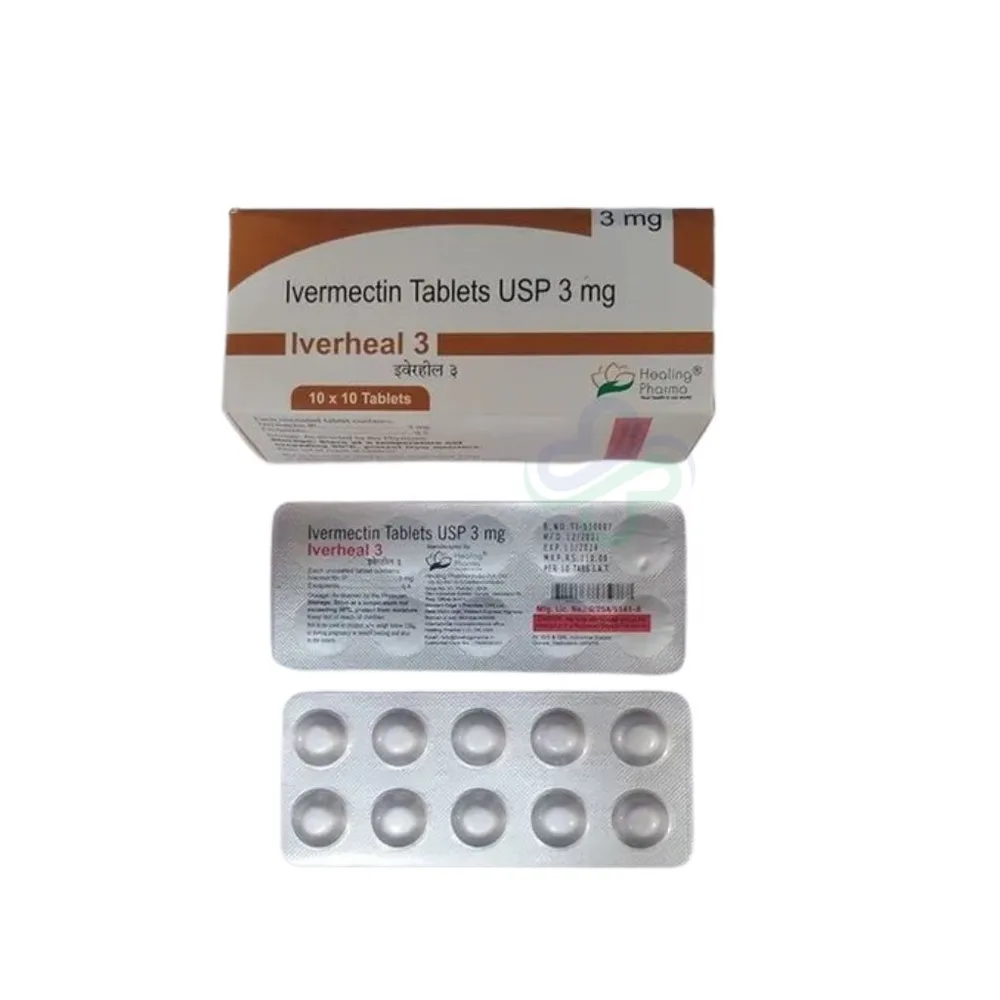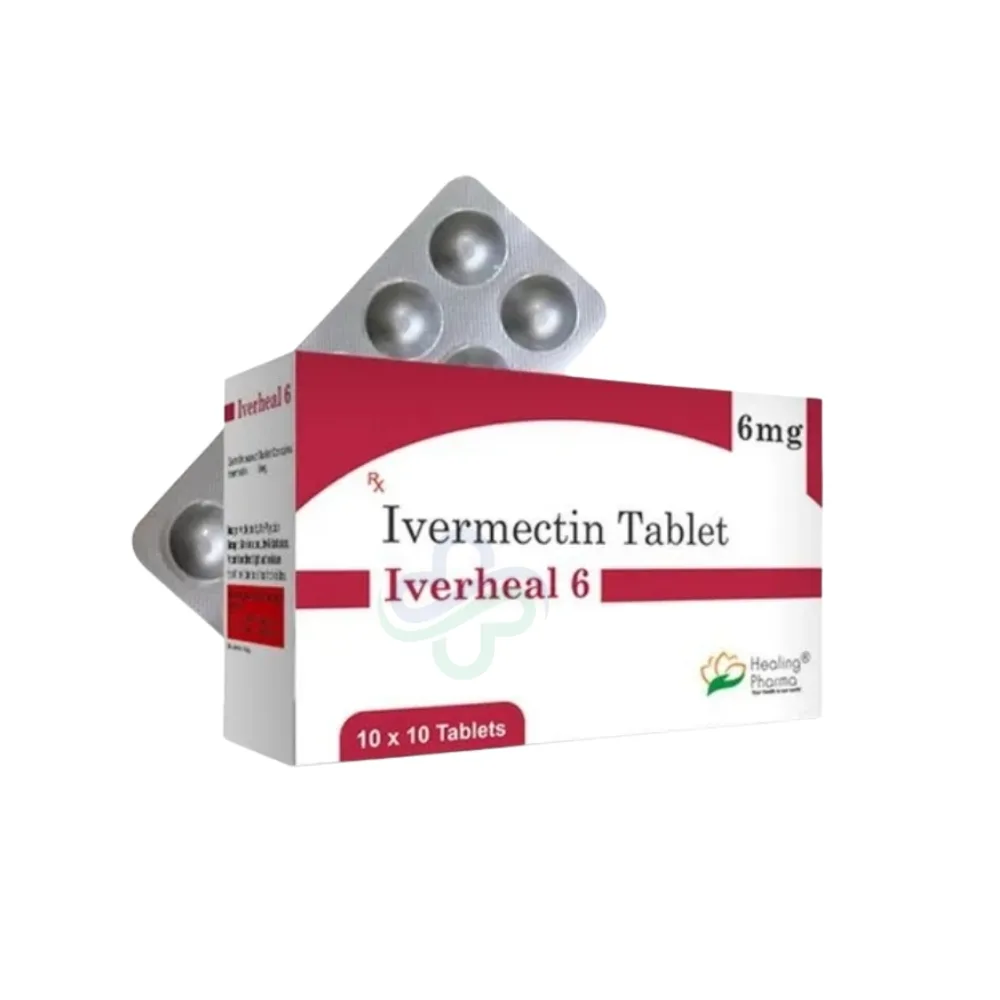
Quick Answer: Does Ivermectin Interact With Other Medicines?
Formal interaction data on ivermectin is genuinely limited — the current UK product information states plainly that no dedicated drug interaction studies have been performed. The one interaction specifically documented in official prescribing information is with warfarin, where increased INR (a measure of blood clotting time) has been reported. Beyond that, caution is generally advised around medicines that affect the central nervous system, and your pharmacist checking your full medicine list remains the most reliable way to catch anything relevant to you specifically.
Why Formal Interaction Data on Ivermectin Is Limited
This is worth understanding upfront, because it changes how you should read any list of "ivermectin interactions," including this one. The current UK Summary of Product Characteristics (SmPC) for ivermectin 3 mg tablets states directly, in its interactions section, that no interaction studies have been performed. That's not the same as saying no interactions exist — it means the specific, formal clinical studies that would definitively map out every interaction simply haven't been done for this medicine, which is not unusual for a drug that's typically used as a single dose or short course rather than long-term. What follows is what's actually documented or pharmacologically understood, not a fabricated exhaustive list.
Ivermectin and Warfarin
This is the clearest, specifically documented interaction. Manufacturer prescribing information notes post-marketing reports of increased INR when ivermectin was co-administered with warfarin — INR is the standard blood test used to monitor how "thin" the blood is on warfarin, and a rise in it means an increased bleeding risk. If you take warfarin or another anticoagulant and are prescribed ivermectin, tell your prescriber and pharmacist — they may recommend an INR check within a few days of your ivermectin dose, and may need to adjust your warfarin dose depending on the result. This isn't a reason to avoid ivermectin if you need it; it's a reason to monitor rather than assume nothing has changed.
How Ivermectin Is Processed in the Body
Ivermectin is metabolised in the liver, primarily via an enzyme called CYP3A4, and is also a substrate of P-glycoprotein, a transporter protein that, among other things, helps limit how much of certain drugs cross into the brain. This matters for two reasons. First, medicines that strongly inhibit CYP3A4 could, in theory, slow ivermectin's breakdown and raise its levels in the body, while strong CYP3A4 inducers could lower its levels and potentially reduce how well it works — this is standard pharmacology reasoning rather than something proven in dedicated ivermectin trials. Second, because P-glycoprotein normally helps keep drugs out of the central nervous system, medicines that inhibit it could theoretically allow more ivermectin to reach the brain, which is relevant because ivermectin's rare but serious neurological side effects (confusion, difficulty staying conscious) are thought to relate to exactly this kind of increased central nervous system exposure. Notably, the UK SmPC for Soolantra (topical ivermectin cream) specifically advises caution with potent CYP3A4 inhibitors based on in vitro data — a sign that regulators do take this mechanism seriously even without dedicated outcome studies for the oral tablet.
Medicines That May Need Extra Caution
Based on the mechanisms above and general prescribing caution, a pharmacist is likely to pay particular attention to:
- Anticoagulants (e.g. warfarin) — the specifically documented interaction, covered above
- Strong CYP3A4 inhibitors — certain antifungal and antiviral medicines are well-known strong inhibitors of this enzyme generally; if you take one, it's worth specifically flagging alongside any new ivermectin prescription
- Other medicines that affect the central nervous system — since ivermectin itself can cause dizziness or drowsiness, combining it with other sedating medicines could plausibly add to that effect, even without a formally documented interaction
This isn't an exhaustive list, and it isn't a substitute for your pharmacist checking your actual medicines against current information — it's context for why they ask the questions they do.
Combining Ivermectin With Other Antiparasitic Medicines
Ivermectin is sometimes deliberately combined with other antiparasitic medicines as part of planned treatment — for example, alongside a topical scabicide for crusted scabies, or with albendazole (and sometimes diethylcarbamazine) in lymphatic filariasis treatment and mass drug administration programmes. Fixed-dose combination products such as Evimectin-A (Albendazole + Ivermectin) exist for this reason, though they are used strictly on a prescriber's instructions rather than as a general substitute for single-ingredient ivermectin. This is a different situation from an unplanned interaction: it's an intentional combination decided and monitored by a treating clinician, not something to replicate on your own initiative. See our lymphatic filariasis guide and UK scabies guide for more on how these combinations are actually used.
Supplements, Herbal Products and Alcohol
There's no well-documented, specific interaction between ivermectin and common over-the-counter supplements or herbal products in current official product information — but "not specifically documented" isn't the same as "definitely fine," particularly for herbal products that themselves affect liver enzymes (St John's Wort being a well-known example across many medicines generally, though not specifically studied with ivermectin). Tell your pharmacist about anything you take regularly, prescribed or not. On alcohol: there's no specific documented interaction, but since both alcohol and ivermectin can independently cause drowsiness or dizziness, it's sensible to see how you feel before drinking, rather than assuming there's no effect.
Why "Tell Your Doctor Everything You Take" Actually Matters Here
Given how limited the formal interaction data is, your pharmacist checking your specific combination against current, regularly-updated interaction databases is genuinely more reliable than any general list — including this one. This is standard practice for any new prescription, but it carries a bit more weight with ivermectin specifically, precisely because dedicated interaction studies haven't been done and the available picture is built from mechanism, post-marketing reports, and caution rather than large controlled trials.
Liver Function and Ivermectin Interactions
Because ivermectin is processed through the liver, significant liver impairment can affect how the drug is handled, and may also affect how interacting medicines behave together. If you have known liver disease, this is specifically worth raising with your prescriber before starting ivermectin, alongside your full medicines list — our ivermectin side effects guide covers who else may need extra caution or monitoring.
What to Do If You Think You've Had an Interaction
If you notice new or worsening symptoms after starting ivermectin alongside another medicine — unusual bruising or bleeding if you're on warfarin, marked drowsiness or confusion, or anything that feels out of the ordinary — contact your pharmacist or doctor rather than waiting to see if it resolves. If you suspect a serious reaction, such as severe confusion, difficulty staying conscious, or signs of significant bleeding, treat it as urgent and seek immediate medical attention.
Sources & References
This article was written for general education and checked against the following current sources. Interaction data is added to and revised over time — always check the current SmPC/PIL for your specific product, and let your pharmacist review your full medicine list.
- electronic Medicines Compendium (emc) — Ivermectin 3mg Tablets, Summary of Product Characteristics (Section 4.5, Interactions)
- electronic Medicines Compendium (emc) — Soolantra 10mg/g Cream, Summary of Product Characteristics
- MedlinePlus (U.S. National Library of Medicine, NIH) — Ivermectin (oral): Drug Information
Medical Disclaimer
This article is for general educational purposes and does not constitute individual medical advice. It is not a substitute for a consultation with a qualified doctor or pharmacist, who can review your complete medicine list and assess interactions specific to you. See our full Disclaimer Policy for more information.