Quick Answer: Is Covimectin a COVID-19 Treatment?
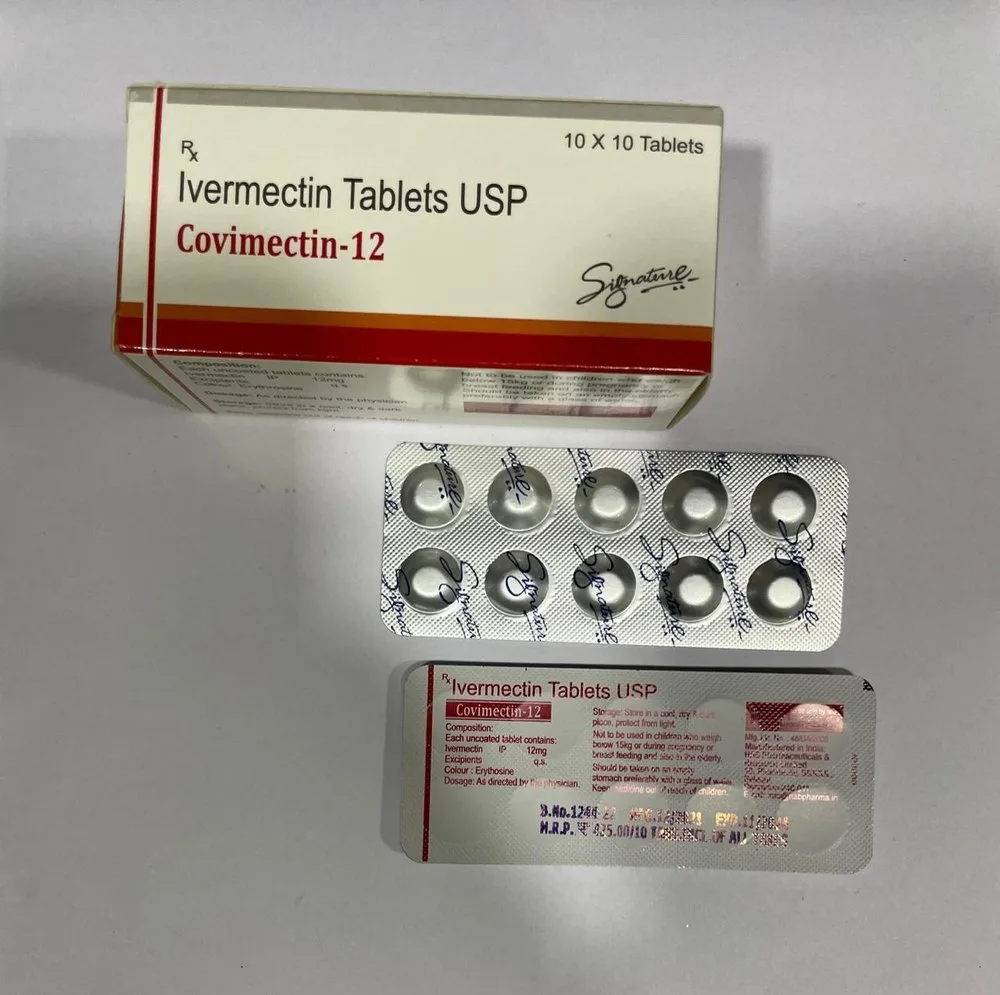
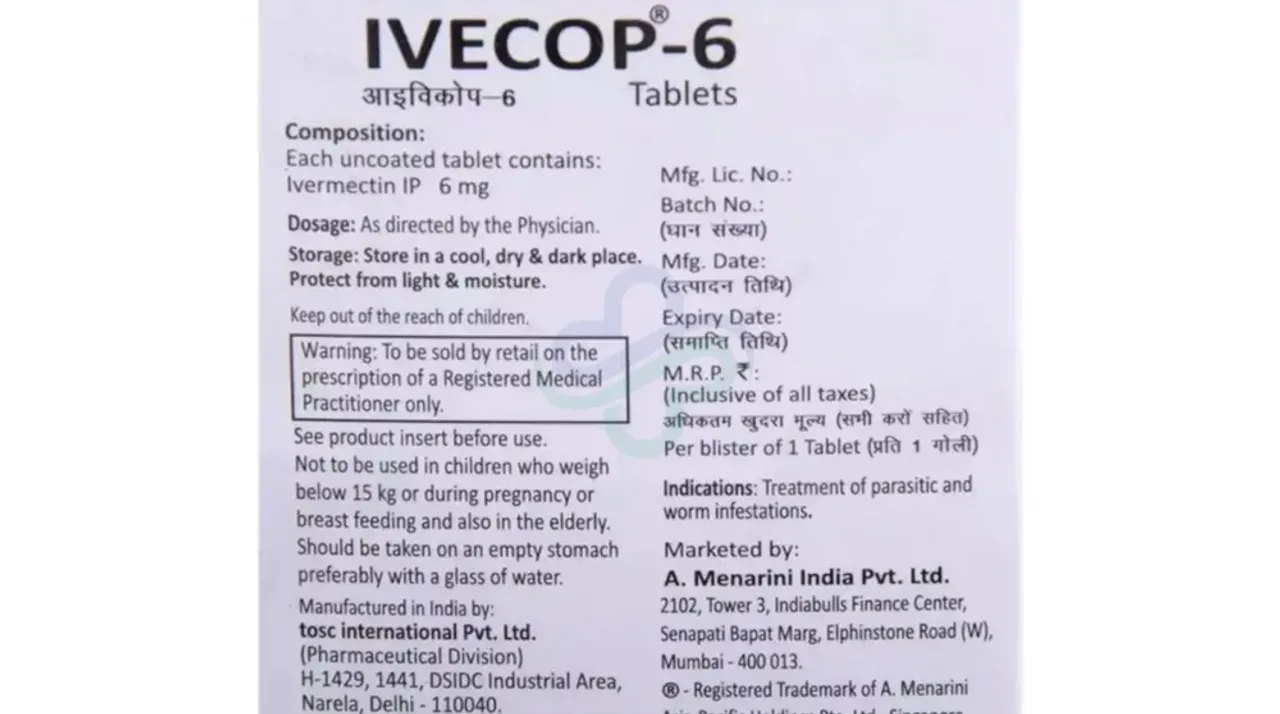
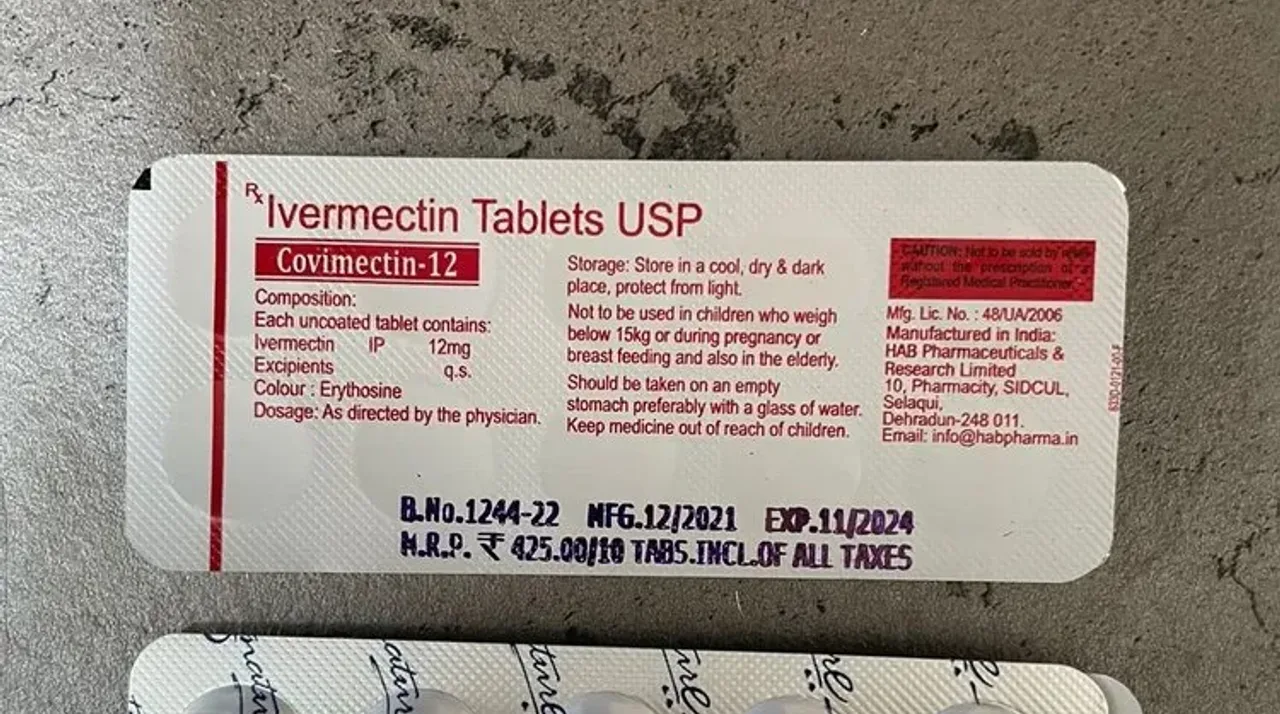
No. Despite the brand name, Covimectin is an antiparasitic medicine — a branded ivermectin tablet manufactured by Fortune Healthcare — not a COVID-19 treatment. Ivermectin is not approved by the UK MHRA, Australian TGA, or US FDA for preventing or treating COVID-19, and it is not recommended for that purpose by the NHS, UKHSA, or WHO. Covimectin's genuine, medically recognised uses are the same as any other ivermectin product: parasitic conditions such as strongyloidiasis, lymphatic filariasis, onchocerciasis, and scabies, depending on jurisdiction. This is worth stating clearly upfront, because the brand name itself is a common source of confusion.
Why the Name Causes Confusion
"Covimectin" understandably reads to some people as a reference to COVID-19, especially given ivermectin's high public profile during the pandemic as an unproven, widely promoted "treatment" on social media. The brand name is a naming choice by the manufacturer and has no connection to any COVID-19 indication, approval, or evidence base. If you've come across Covimectin and wondered whether it treats or prevents coronavirus infection, the direct answer is no — and no ivermectin product does, regardless of brand name.
What Does the Evidence Actually Say About Ivermectin and COVID-19?
Early laboratory research suggested ivermectin might affect the virus that causes COVID-19, but those studies used drug concentrations far higher than what can safely be achieved in the human body at approved doses, and didn't test the drug in people. Subsequent large clinical trials in humans haven't demonstrated a meaningful treatment benefit sufficient to support regulatory approval for this use. The FDA has specifically and repeatedly warned against using ivermectin — especially veterinary formulations — to prevent or treat COVID-19, following a documented rise in poisonings from people self-medicating with concentrated animal products. If you have questions about COVID-19 prevention or treatment, current guidance from your national health authority is the right starting point, in discussion with your own doctor — not an antiparasitic medicine with an unrelated brand name.
What Is Covimectin Actually Used For?
Ivermectin's genuine, approved uses are for specific parasitic infections, and these differ by country:
| Country | Approved Uses |
|---|---|
| UK (MHRA/emc SmPC) | Intestinal strongyloidiasis; lymphatic filariasis; human sarcoptic scabies (typically second-line) |
| Australia (TGA) | Onchocerciasis; intestinal strongyloidiasis; scabies |
| USA (FDA) | Intestinal strongyloidiasis; onchocerciasis (not an approved scabies treatment) |
See our guides on strongyloidiasis, lymphatic filariasis, onchocerciasis, and UK scabies treatment for what each of these conditions actually involves.
What Do These Conditions Actually Involve?
Since Covimectin's genuine uses are worth understanding in their own right, not just as a list: strongyloidiasis is a roundworm infection that can persist for years due to an internal reinfection cycle. Lymphatic filariasis is a mosquito-borne infection of the lymphatic system that can cause chronic swelling if untreated over time. Scabies is a skin mite infestation causing intense, often night-time itching. Onchocerciasis (river blindness) is transmitted by blackflies and can cause lasting skin and eye damage without treatment. Our dedicated guides on strongyloidiasis, lymphatic filariasis, scabies, and onchocerciasis cover each condition in full clinical depth — a far more useful place to look than anything COVID-19-related.
How Does Covimectin (Ivermectin) Work?
Ivermectin binds to glutamate-gated chloride channels in the nerve and muscle cells of parasites, causing paralysis and death of the parasite. Human cells lack these channels, which is a key reason the drug can act selectively on the parasite, at approved doses, for the conditions it's actually licensed to treat.
How Is Covimectin Taken?
Covimectin is available as a 12 mg tablet. Dosing is weight-based — the standard single dose across ivermectin's licensed indications is approximately 200 micrograms per kilogram of body weight; per the UK SmPC's reference table, 12 mg typically corresponds to an adult weighing around 51–65 kg. This is general information, not a personal dose — your prescriber confirms your exact requirement. It's generally taken with a full glass of water, on an empty stomach, since food has been shown to meaningfully increase how much ivermectin is absorbed. Our how to take ivermectin guide covers this in more depth.
Side Effects of Covimectin
Commonly reported: nausea, dizziness, headache, and mild diarrhoea. A self-limiting reaction to dying parasites can occur in people treated for filarial infections. Rare but serious effects requiring urgent medical attention include severe skin reactions, signs of a severe allergic reaction, and confusion or seizures. See our full side effects guide.
When Should You Not Take Covimectin?
The formal contraindication is hypersensitivity to ivermectin or any tablet ingredient. Extra caution applies if you weigh less than 15 kg, are pregnant or breastfeeding, have significant liver impairment, or have a Loa loa-endemic travel history.
Drug Interactions
No formal interaction studies exist for ivermectin. The clearest documented concern is with warfarin, where a raised INR has been reported. See our drug interactions guide for full detail.
What Happens If You Miss a Dose?
Missed-dose handling depends on your specific treatment course, since ivermectin regimens differ by condition. Contact your prescriber or pharmacist rather than guessing.
Covimectin vs Other Ivermectin Brands
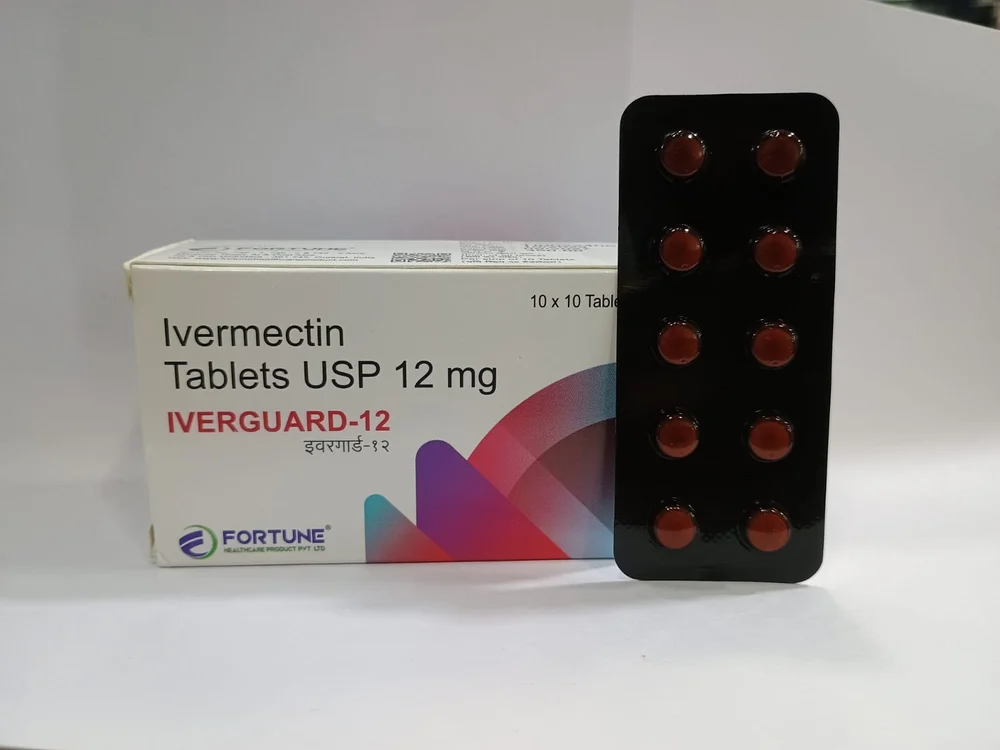
At a matching strength, Covimectin contains the same active ingredient as Medionix's other ivermectin brands. The only meaningful thing that sets it apart is its name, not its formulation, effectiveness, or approved uses — which are identical to any other genuine ivermectin product at the same strength.
If Your Doctor Has Prescribed Covimectin
You can review the product on the Medionix page for Covimectin 12 mg tablets, alongside our wider ivermectin range.
Pregnancy and Breastfeeding
Current UK product information references data from around 300 pregnancies exposed to ivermectin without a clear pattern of harm being identified, but still recommends the medicine "should only be used when strictly indicated" in pregnancy — a decision for your doctor. For breastfeeding, less than 2% of the administered dose is estimated to pass into breast milk, though this isn't a substitute for discussing your specific situation with your prescriber.
Storage Information
Store Covimectin tablets in a cool, dry place, protected from light and moisture, in the original packaging, out of reach of children. Check the specific storage wording on your dispensed pack, and don't use tablets after the expiry date printed on it.
Sources & References
- electronic Medicines Compendium (emc) — Ivermectin 3mg Tablets, Summary of Product Characteristics
- U.S. Food and Drug Administration (FDA) — Why You Should Not Use Ivermectin to Treat or Prevent COVID-19
- Therapeutic Goods Administration (TGA), Australia — AusPAR: Stromectol (ivermectin)
Medical Disclaimer
This article is for general educational purposes and does not constitute individual medical advice. It is not a substitute for a consultation with a qualified doctor or pharmacist. See our full Disclaimer Policy for more information.