Quick Answer: What's the Difference Between Oral and Topical Ivermectin?
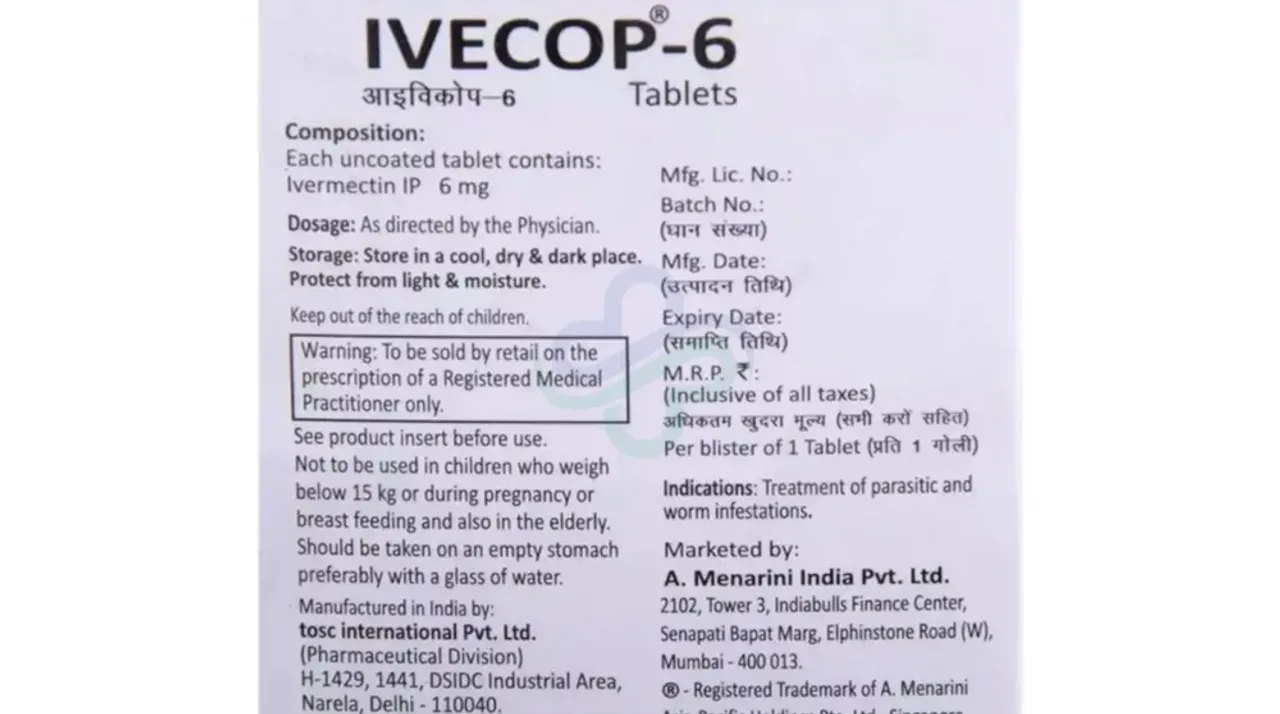
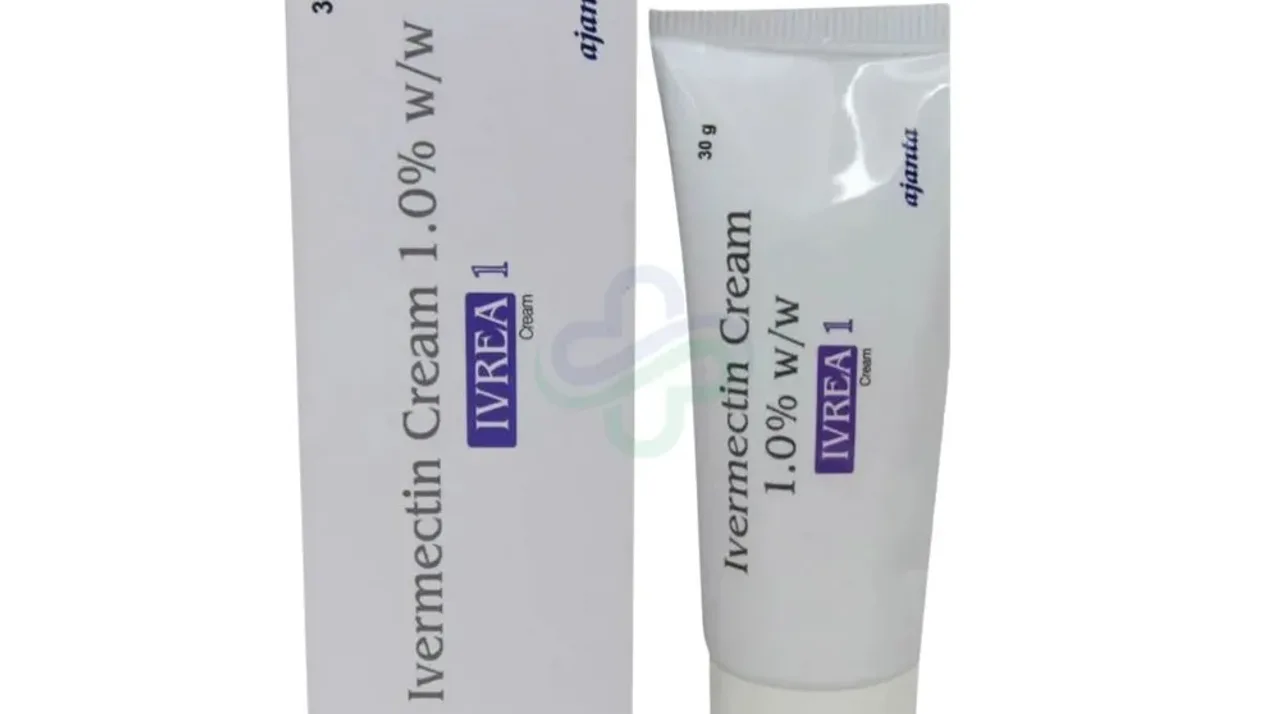
Oral ivermectin tablets are absorbed into the bloodstream and treat internal parasitic infections — strongyloidiasis, lymphatic filariasis, and scabies, according to current UK licensing. Topical ivermectin acts locally on the skin: a cream (marketed in the UK as Soolantra) is licensed for the inflammatory lesions of rosacea. They share an active ingredient but are chemically formulated, dosed, and licensed completely differently — one is not a substitute for the other, and they don't treat overlapping conditions.
Two Different Medicines, One Active Ingredient
It's easy to see "ivermectin" on two different products and assume they're interchangeable, but formulation changes everything about how a medicine behaves. A tablet is designed to be absorbed through the gut into the bloodstream and reach tissues throughout the body. A topical cream is designed to stay largely on and in the skin where it's applied, with only minimal absorption into the bloodstream. Because of this, the strength, application method, licensed conditions, and safety profile are specific to each individual product — not to "ivermectin" as a general concept.
Oral Ivermectin: What It's Used For
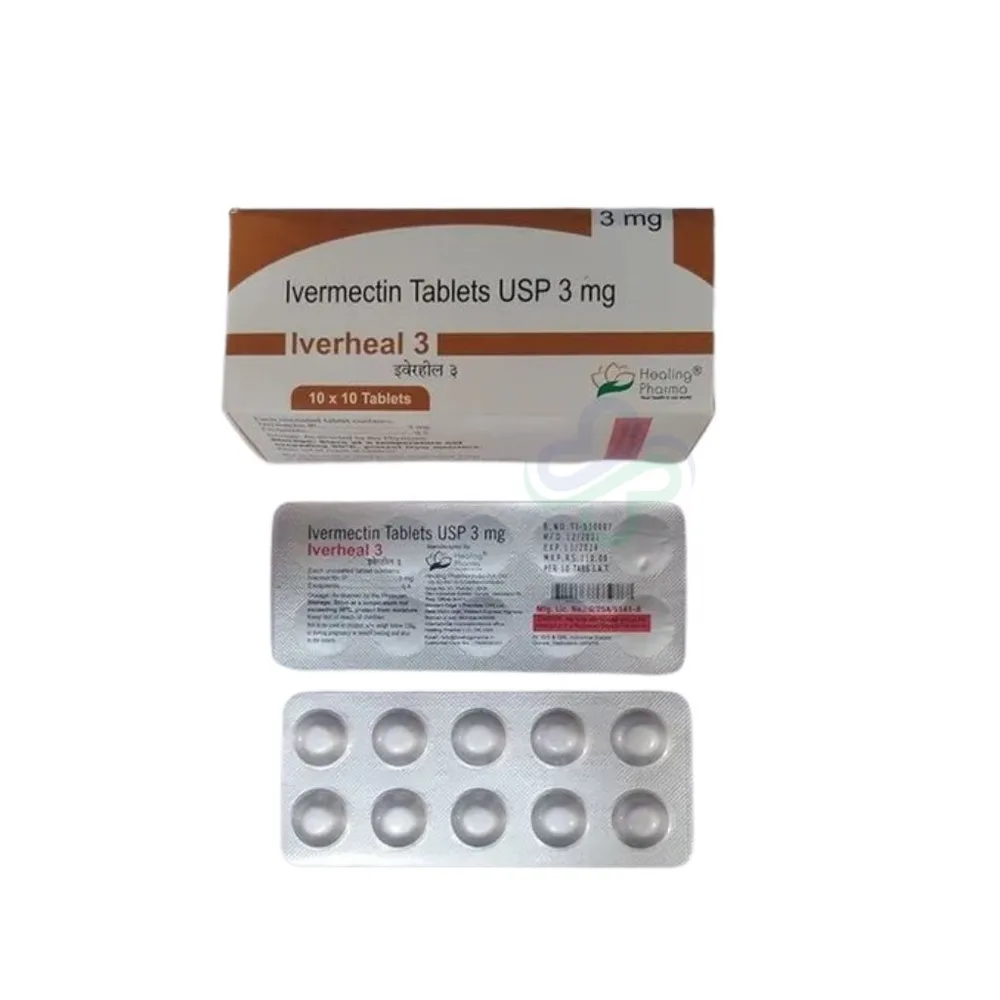
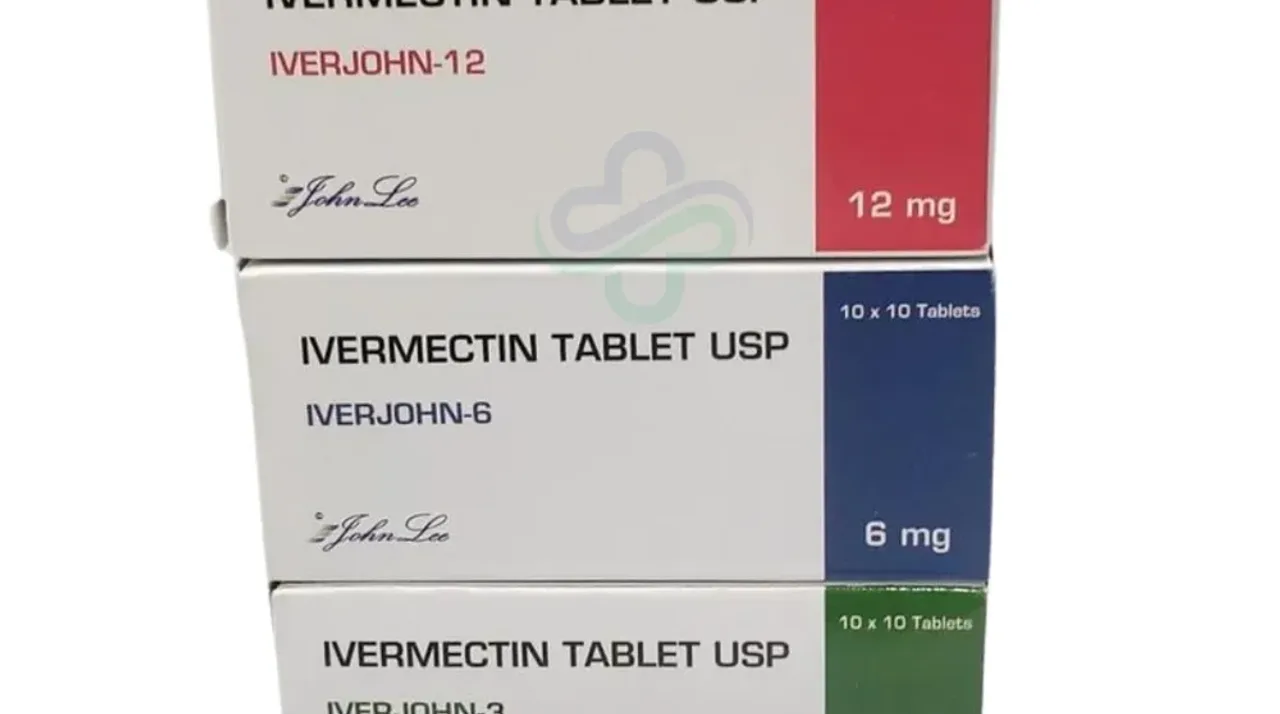
Oral ivermectin tablets — such as Iverheal 3mg — are used for internal parasitic conditions confirmed by a doctor. In the UK, that's intestinal strongyloidiasis, lymphatic filariasis, and human sarcoptic scabies — see our dedicated guides on strongyloidiasis, lymphatic filariasis, and scabies for the specifics of each. Dosing is calculated by body weight, not a flat number of tablets for everyone — our ivermectin 3mg tablets guide breaks down exactly how tablet counts are worked out for each condition.
Topical Ivermectin: What It's Used For
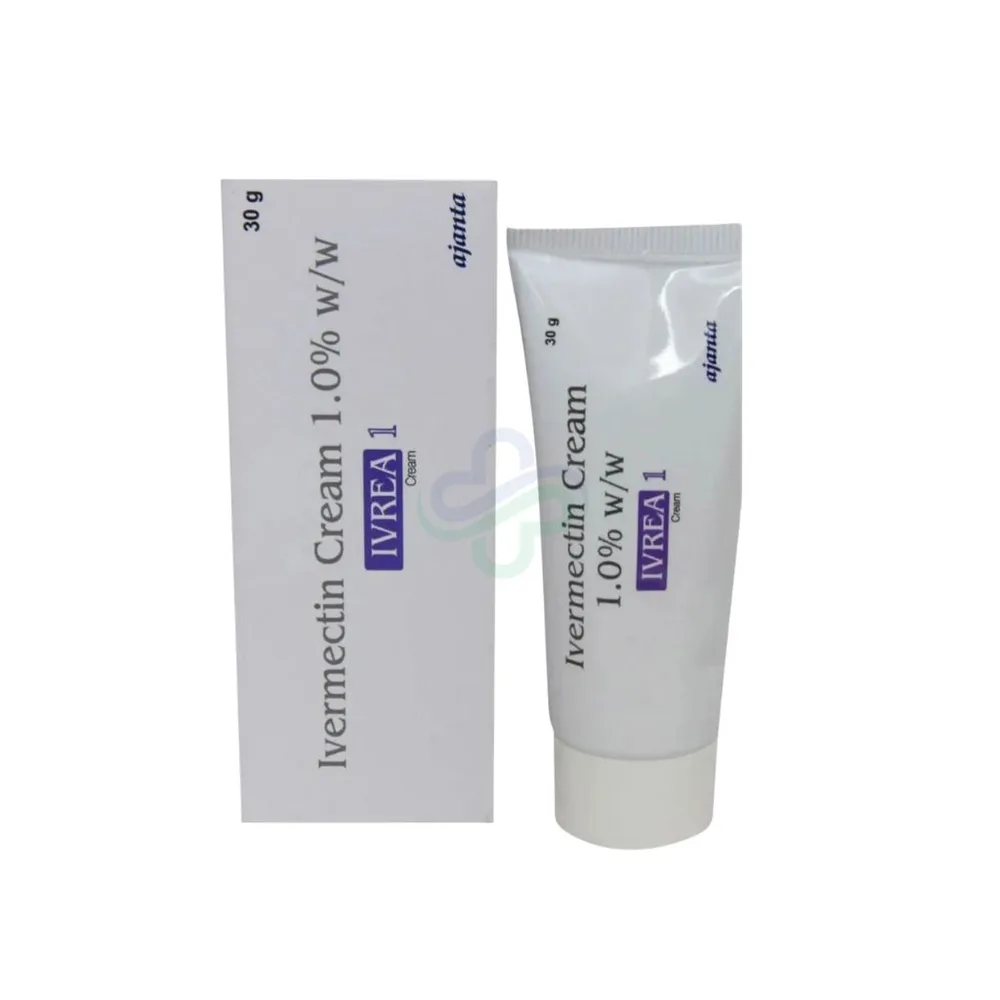
In the UK, the licensed topical ivermectin product is a 10 mg/g cream (branded Soolantra), used specifically for the inflammatory lesions of papulopustular rosacea in adults. It's applied once daily as a thin layer to the affected facial areas, typically for up to four months, and treatment may be discontinued if there's no improvement after three months. It works partly by reducing numbers of Demodex mites, which are found in greater numbers on rosacea-affected skin and are thought to contribute to the inflammation, alongside a direct anti-inflammatory effect.
It's worth being precise here, because online information about ivermectin often blends US and UK products together: in the United States, a separate topical ivermectin lotion is also approved for head lice. That lotion is not a UK-licensed product — as of current UK product listings, the only topical ivermectin licensed here is the rosacea cream. If you're in the UK looking for head lice treatment, NHS guidance points toward wet combing or other licensed pharmacy treatments such as dimeticone or malathion lotion, not ivermectin.
| Oral Tablets (UK) | Topical Cream — Soolantra (UK) | |
|---|---|---|
| Formulation | 3 mg tablet | 10 mg/g cream |
| UK-licensed use | Strongyloidiasis, lymphatic filariasis, scabies | Inflammatory lesions of rosacea |
| How it acts | Absorbed into the bloodstream, reaches parasites throughout the body | Acts locally on the skin where applied |
| Typical regimen | Single or repeat weight-based dose, calculated by a prescriber | Once daily, up to 4 months |
| Prescription status | Prescription-only medicine (POM) | Prescription-only medicine (POM) |
Side Effects: Not the Same Profile
Because one acts throughout the body and the other acts locally, their side effects are genuinely different, and it's worth not assuming the oral list applies to the cream or vice versa.
Oral tablets — commonly dizziness, nausea, diarrhoea, headache, and mild skin reactions; rare but serious effects include severe skin reactions and confusion or reduced consciousness. See our full ivermectin side effects guide for the complete breakdown.
Topical cream — mainly local skin reactions at the application site: a burning sensation, irritation, itching, or dryness, generally mild-to-moderate and often decreasing with continued use. A temporary flare-up of rosacea symptoms in the first week of treatment has also been reported, thought to relate to a reaction to dying Demodex mites, and usually settles without stopping treatment.
Can You Use One Instead of the Other?
No. Using an oral tablet topically won't deliver a meaningful dose to the skin the way a purpose-formulated cream does, and applying a topical cream won't treat an internal parasitic infection — it isn't designed or licensed to be absorbed systemically at a level that would do that. If you're unsure which product your prescription actually refers to, or which one your symptoms need, check with your pharmacist before assuming — this is a genuinely common point of confusion, not a trivial one.
Which One Will My Doctor Prescribe?
This comes down entirely to diagnosis, not preference. If you have a confirmed or suspected internal parasitic infection — strongyloidiasis, lymphatic filariasis, or scabies — that's an oral tablet decision. If you have rosacea with inflammatory papules and pustules, that's a topical cream decision. The two conditions don't overlap, and a prescriber wouldn't reasonably substitute one product for the other's licensed use.
Pregnancy and Breastfeeding: A Meaningful Difference
Because systemic absorption is so much lower with the topical cream, its pregnancy safety profile reads differently in the product information, even though neither is a routine choice in pregnancy without medical advice. The oral tablet SmPC recommends use only when a doctor judges the benefit clearly outweighs the risk, based on limited pregnancy exposure data. The topical cream's SmPC notes that its low systemic absorption represents a "low safety concern" in relation to that limited exposure, but still doesn't recommend routine use in pregnancy, and breastfeeding guidance for the cream specifically advises discontinuing either breastfeeding or treatment since a risk to the infant can't be excluded. Either way, this is a conversation for your prescriber, not something to decide from a product comparison.
Sources & References
This article was written for general education and checked against the following current UK and US sources. Product information is updated periodically — always check the current SmPC/PIL for your specific prescribed product.
- electronic Medicines Compendium (emc) — Ivermectin 3mg Tablets, Summary of Product Characteristics
- electronic Medicines Compendium (emc) — Soolantra 10mg/g Cream, Summary of Product Characteristics
- NHS — Head lice
- MedlinePlus (U.S. National Library of Medicine, NIH) — Ivermectin Topical: Drug Information
Medical Disclaimer
This article is for general educational purposes and does not constitute individual medical advice. It is not a substitute for a consultation with a qualified doctor or pharmacist, who can assess your specific health situation and which ivermectin product, if any, is appropriate for you. See our full Disclaimer Policy for more information.