Quick Answer: What Is Ivermectin 3mg Used For?
Ivermectin 3 mg is the tablet strength referenced in the current UK-licensed product information (SmPC), used to treat intestinal strongyloidiasis, lymphatic filariasis (microfilaraemia due to Wuchereria bancrofti), and human sarcoptic scabies. It's a prescription-only medicine — the number of tablets you need is calculated by your prescriber from your body weight and the specific condition being treated, not a fixed amount for everyone.
What's in an Ivermectin 3mg Tablet?
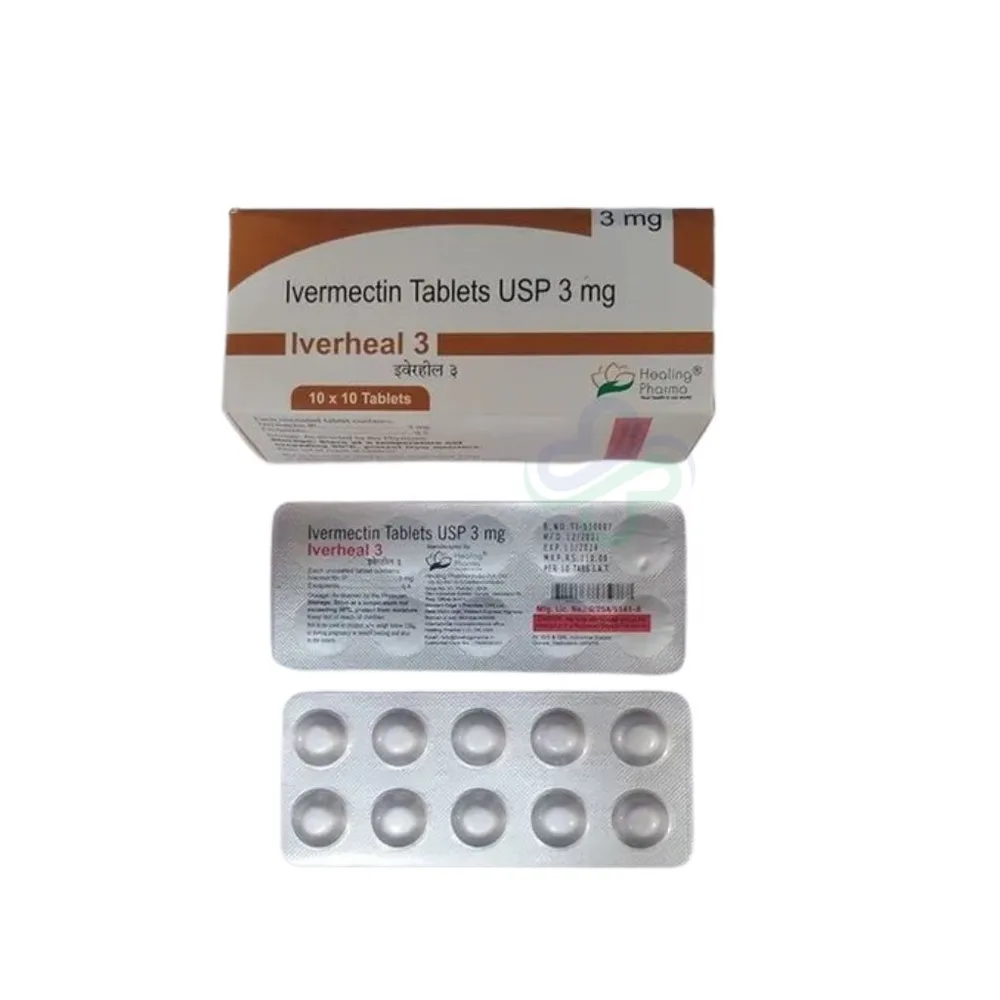
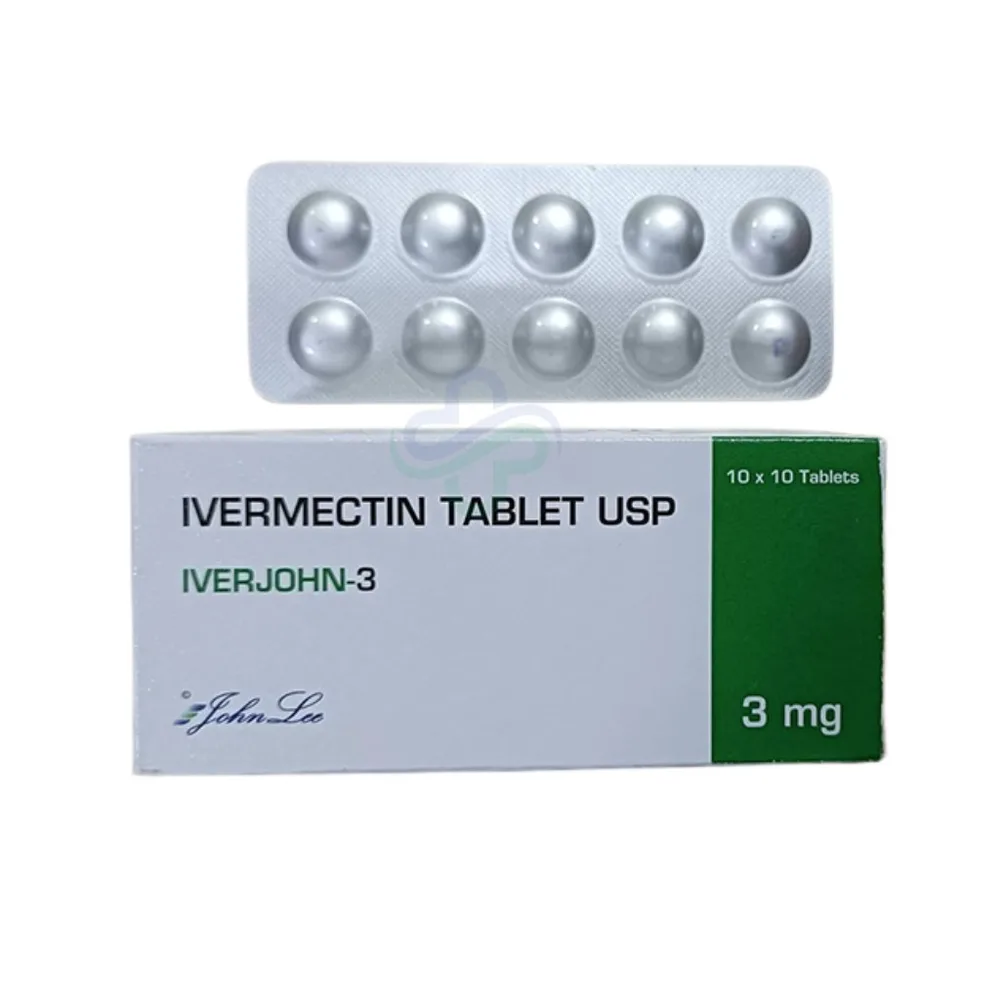
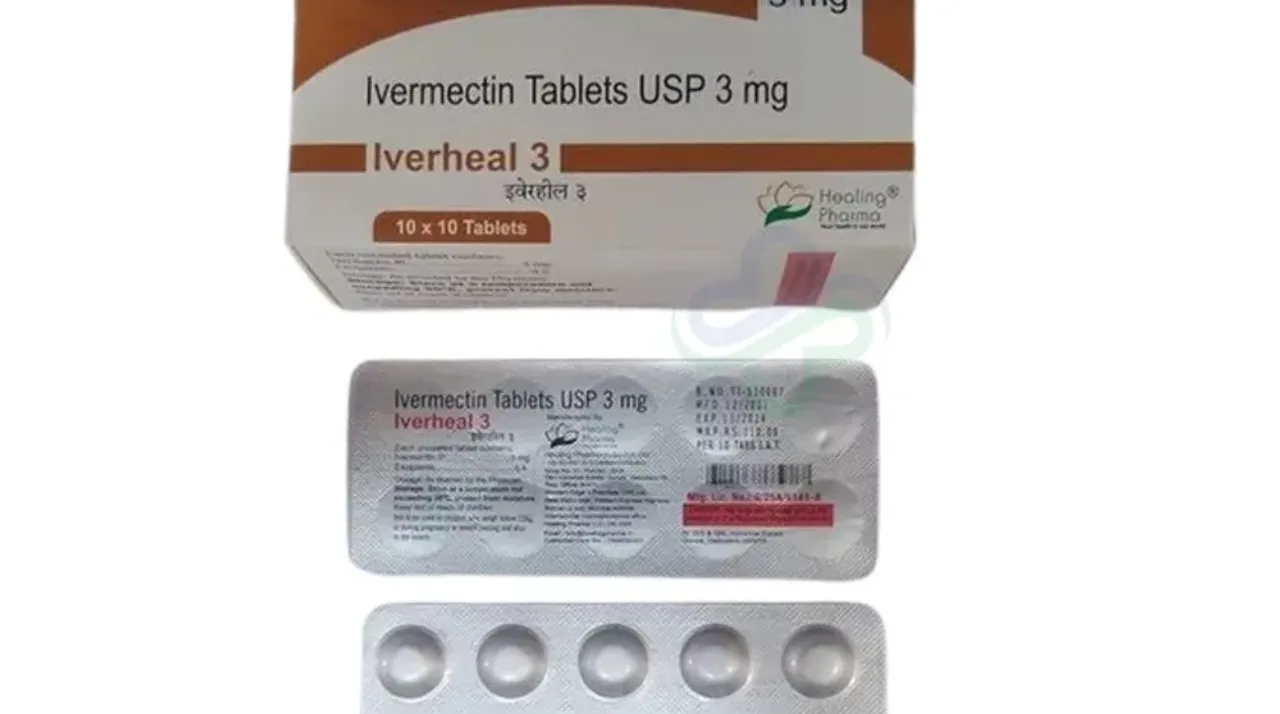
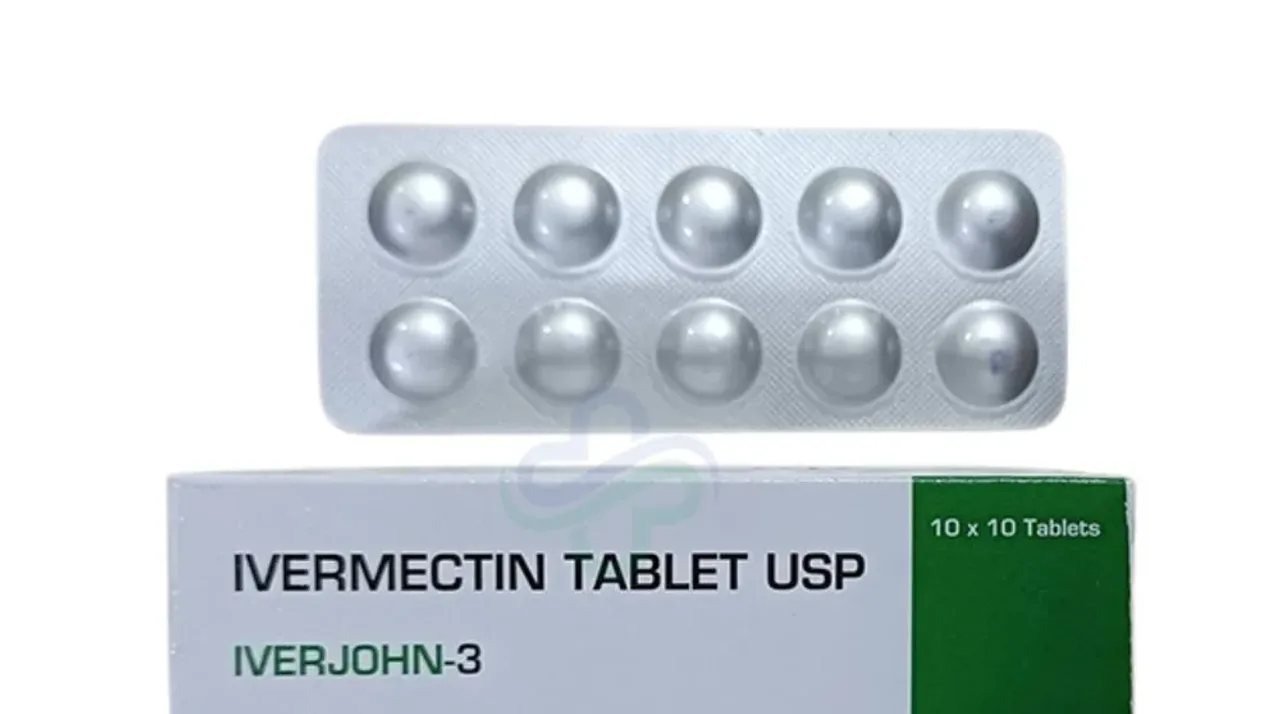
Each tablet contains 3 mg of ivermectin as its active ingredient, along with standard inactive excipients. In the UK, ivermectin 3 mg tablets are supplied by a small number of manufacturers under the generic name, all covered by the same core SmPC and patient information leaflet (PIL) for the active ingredient. Medionix Pharma's own range includes Iverheal 3 mg and Iverjohn 3 mg tablets. Appearance (colour, markings) can vary slightly between manufacturers, so always check the patient information leaflet that comes with your specific dispensed product rather than assuming every 3 mg tablet looks identical.
What Is Ivermectin 3mg Licensed to Treat in the UK?
According to the current UK SmPC, the 3 mg tablet covers three licensed indications:
| Condition | What It Is |
|---|---|
| Intestinal strongyloidiasis | A roundworm infection that can persist for years via an internal autoinfection cycle — see our dedicated strongyloidiasis guide |
| Lymphatic filariasis (microfilaraemia due to Wuchereria bancrofti) | A mosquito-borne parasitic infection affecting the lymphatic system — see our dedicated lymphatic filariasis guide |
| Human sarcoptic scabies | A skin mite infestation, usually considered after or alongside topical treatment — see our UK scabies treatment guide |
How Many 3mg Tablets Do I Need?
This is genuinely different for each condition, which is exactly why a prescriber calculates it rather than a general chart being enough on its own. Here's how the SmPC's own reference tables break down by weight:
Strongyloidiasis (single dose, 200 mcg/kg)
| Body Weight | Tablets (Single Dose) |
|---|---|
| 15–24 kg | 1 |
| 25–35 kg | 2 |
| 36–50 kg | 3 |
| 51–65 kg | 4 |
| 66–79 kg | 5 |
| ≥80 kg | 6 |
Lymphatic Filariasis (by weight, every 6 or 12 months)
| Body Weight | Tablets (6-Monthly) | Tablets (12-Monthly) |
|---|---|---|
| 15–25 kg | 1 | 2 |
| 26–44 kg | 2 | 4 |
| 45–64 kg | 3 | 6 |
| 65–84 kg | 4 | 8 |
Scabies (single dose, 200 mcg/kg)
The SmPC gives the scabies dose as a single dose providing 200 micrograms per kilogram of body weight, the same target dose as strongyloidiasis, but doesn't publish a separate ready-made tablet-count table for it the way it does for the other two indications — your prescriber works out your exact tablet count from your weight at the time of prescribing.
These tables are reproduced directly from the current UK-licensed product information for reference only. They are not a substitute for your prescriber confirming your exact dose using your actual current weight — never calculate your own dose from a table found online, including this one.
How to Take Ivermectin 3mg Tablets
Take the tablets exactly as your prescriber and pharmacist direct. General guidance from the product information includes:
- Take on an empty stomach, with a full glass of water — food can affect how much ivermectin your body absorbs
- For children under 6, tablets should be crushed before swallowing rather than given whole
- Swallow tablets whole with water where crushing isn't required — don't chew unless instructed to
- Take the full number of tablets prescribed for that dose together, as directed, not spread out across the day unless your prescriber has specifically told you to split a course
This is general educational information, not a substitute for the specific instructions on your dispensed medicine's label — always follow what your pharmacist has written for your prescription.
What If I Miss a Dose?
Many ivermectin courses are a single dose or a short, specifically-timed course, so there's often little room to "make up" a missed one in the way you might with a daily medicine. If you're unsure what to do after missing a dose — or if you're partway through a repeat-dose schedule for lymphatic filariasis or a second scabies dose — contact your prescriber or pharmacist rather than guessing, doubling up, or waiting until your next routine contact with them.
3mg vs 6mg vs 12mg: Does Tablet Strength Matter?
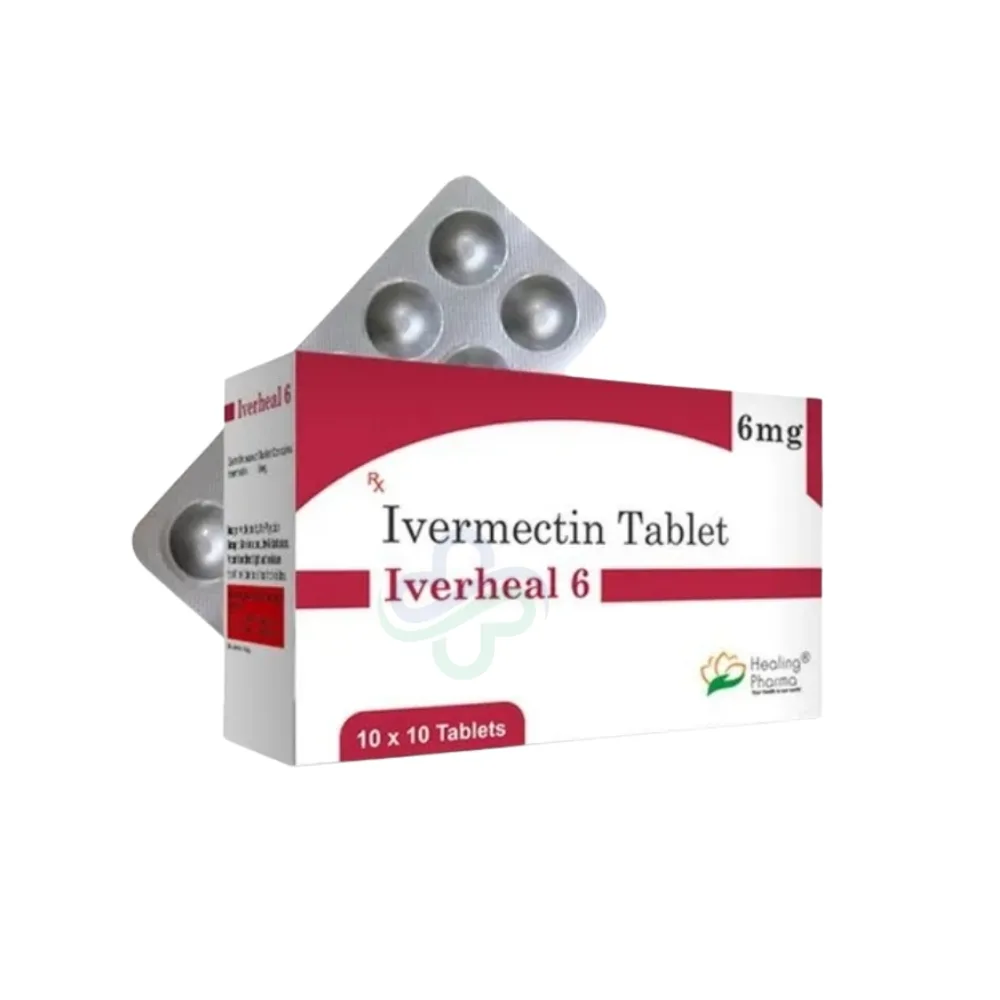
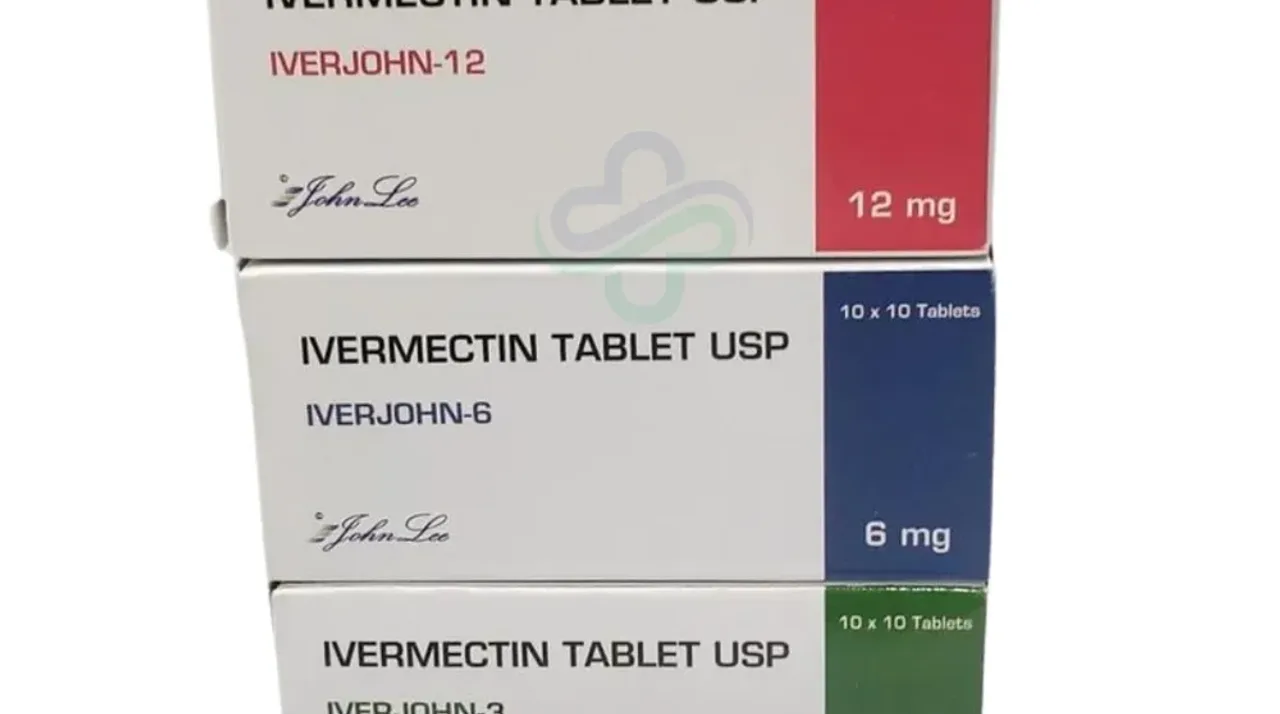
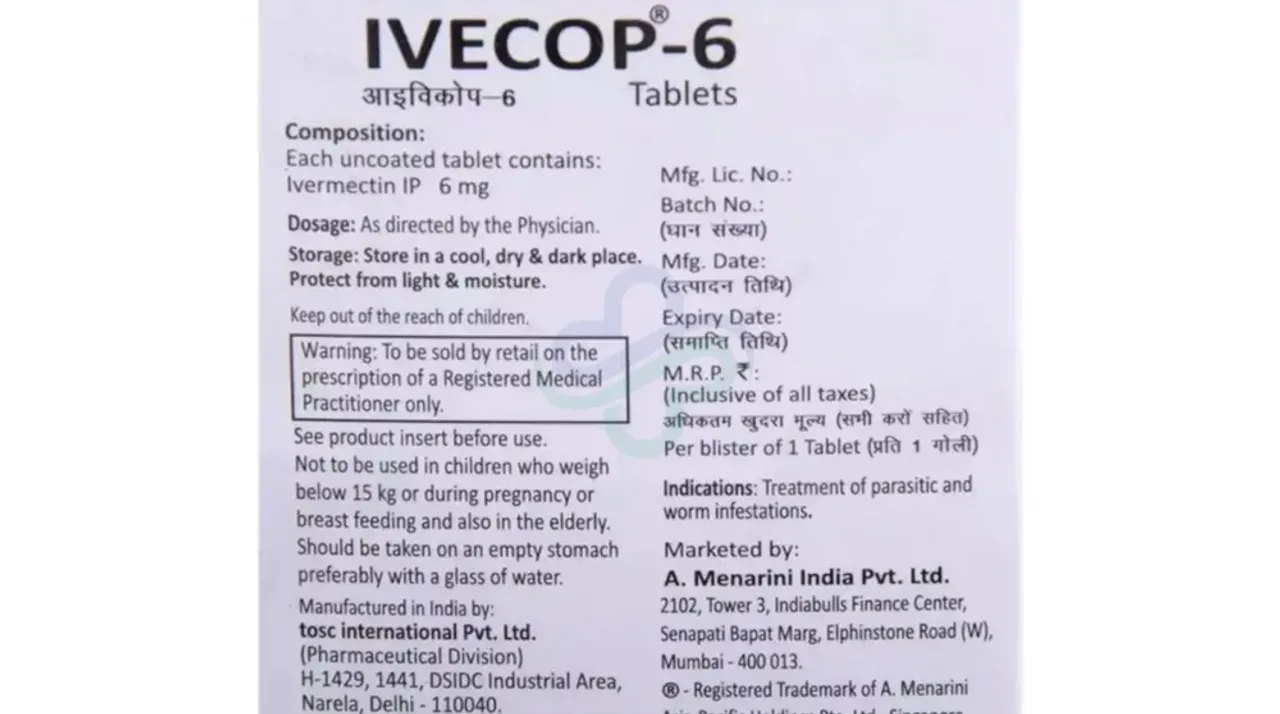
Not in the way people sometimes assume. A 6 mg or 12 mg tablet isn't "stronger medicine" for a given person — it's simply a different building block used to reach the same total weight-based dose with fewer tablets. For example, someone whose calculated dose is 12 mg could, in principle, take four 3 mg tablets, two 6 mg tablets, or one 12 mg tablet — the total ivermectin dose is what matters clinically, not which tablet size delivers it. Medionix Pharma's wider ivermectin range includes 6 mg and 12 mg strengths alongside the 3 mg tablets covered in this article.
That said, the specific 3 mg strength is the one referenced in the current UK-licensed SmPC — other strengths manufactured internationally still need to go through the same UK prescribing and dispensing process to reach a UK patient legitimately, and switching between strengths isn't something to do on your own initiative without your prescriber confirming the equivalent total dose.
Storage
Store ivermectin 3 mg tablets in a cool, dry place, protected from light and moisture, and out of reach of children, in line with standard storage guidance for this product. Check the specific storage instructions on your dispensed pack, since exact wording can vary slightly by manufacturer.
Side Effects and Who Should Take Extra Care
Ivermectin 3 mg tablets carry the same overall side-effect profile as ivermectin generally — dizziness, nausea, diarrhoea, and mild skin reactions are among the more commonly reported effects, with serious reactions being uncommon. Our full side effects guide covers the complete common-to-serious breakdown and when to seek help. The formal UK contraindication is hypersensitivity to ivermectin or any tablet ingredient; safety in children under 15 kg hasn't been established, and pregnancy or breastfeeding use is a decision for your prescriber, weighing your specific situation.
Buying Ivermectin 3mg Tablets Safely
Ivermectin 3 mg tablets are prescription-only in the UK — a legitimate pharmacy needs a valid prescription from a doctor or appropriately qualified prescriber before dispensing them, whichever indication they're being used for. Our guide to ivermectin tablets in the UK covers prescription routes, NHS availability, and how to avoid unsafe online sellers in more depth.
Sources & References
This article was written for general education and checked against the following current sources. Product information is updated periodically — always check the current SmPC/PIL for your specific prescribed product.
- electronic Medicines Compendium (emc) — Ivermectin 3mg Tablets, Summary of Product Characteristics
- electronic Medicines Compendium (emc) — Ivermectin 3mg Tablets, Patient Information Leaflet
- MedlinePlus (U.S. National Library of Medicine, NIH) — Ivermectin (oral): Drug Information
Medical Disclaimer
This article is for general educational purposes and does not constitute individual medical advice. It is not a substitute for a consultation with a qualified doctor or pharmacist, who can assess your specific health situation and confirm your exact dose. See our full Disclaimer Policy for more information.