Quick Answer: Does Ivermectin Treat Head Lice?
It can, but availability depends heavily on where you are. In the United States, a topical ivermectin lotion is FDA-approved specifically for head lice. In the UK, there is currently no ivermectin product licensed for head lice — the only UK-licensed topical ivermectin is a cream for rosacea, and NHS guidance for head lice points to wet combing or other licensed treatments such as dimeticone or malathion lotion instead. Oral ivermectin has also been studied for treatment-resistant head lice, but this is an off-label use, not a routine or UK-standard approach — covered in detail below.
What Are Head Lice?
Head lice (Pediculus humanus capitis) are small insects that live on the scalp and feed on blood, spreading through direct head-to-head contact. They're extremely common, particularly in school-age children, and having them isn't a reflection of hygiene — lice attach just as readily to clean hair as dirty hair. The main symptom is itching, though some people, especially on a first infestation, have no symptoms at all for several weeks.
Topical Ivermectin Lotion (US)
In the United States, a 0.5% ivermectin lotion is FDA-approved for treating head lice in people aged 6 months and older. Unlike most other head lice treatments, it's formulated to work in a single application: it's applied to dry hair and scalp, left on for around 10 minutes, then rinsed off with water alone — no nit-combing is required for the product to be considered effective, unlike some other treatments. It works by affecting the nervous system of the lice, similarly to how oral ivermectin works against internal parasites, but formulated and dosed for topical use only. Common side effects reported include eye irritation if it contacts the eyes, dandruff, dry skin, and a burning or stinging sensation at the application site. It should be kept away from the eyes, nose, mouth, and other mucous membranes, with instructions to rinse thoroughly if accidental contact happens.
Whether this specific lotion is available on prescription or otherwise in a given US state and pharmacy can vary — check with a local pharmacist rather than assuming its availability or status.
Why There's No UK-Licensed Ivermectin Product for Head Lice
This is a genuine, common point of confusion, since so much online information about "ivermectin for lice" is written from a US perspective. According to the current UK electronic Medicines Compendium (emc) listing of medicines containing ivermectin, the only UK-licensed topical ivermectin product is Soolantra 10 mg/g cream, licensed specifically for rosacea — not a lice lotion. NHS guidance for head lice doesn't mention ivermectin at all; it recommends wet combing with a fine-toothed detection comb as a first-line approach, or licensed pharmacy treatments such as dimeticone or malathion lotion if wet combing alone hasn't worked. Our oral vs topical ivermectin guide covers this UK/US product gap in more detail.
What About Oral Ivermectin for Head Lice?
This is a genuinely different question from the topical lotion above, and it's worth being precise about it. Oral ivermectin has been studied specifically for treatment-resistant head lice — cases where standard topical treatments haven't worked, often due to lice that have developed resistance to older insecticide-based treatments. A randomised trial published in the New England Journal of Medicine found oral ivermectin (400 micrograms per kilogram, given on day 1 and repeated on day 8) cleared infestation in around 95% of patients, compared with roughly 85% for malathion lotion, in a difficult-to-treat population. Other studies have used a single 200 mcg/kg dose, though a meaningful proportion of patients needed a second dose to fully clear the infestation, and a small number of documented cases suggest emerging ivermectin-resistant lice as well.
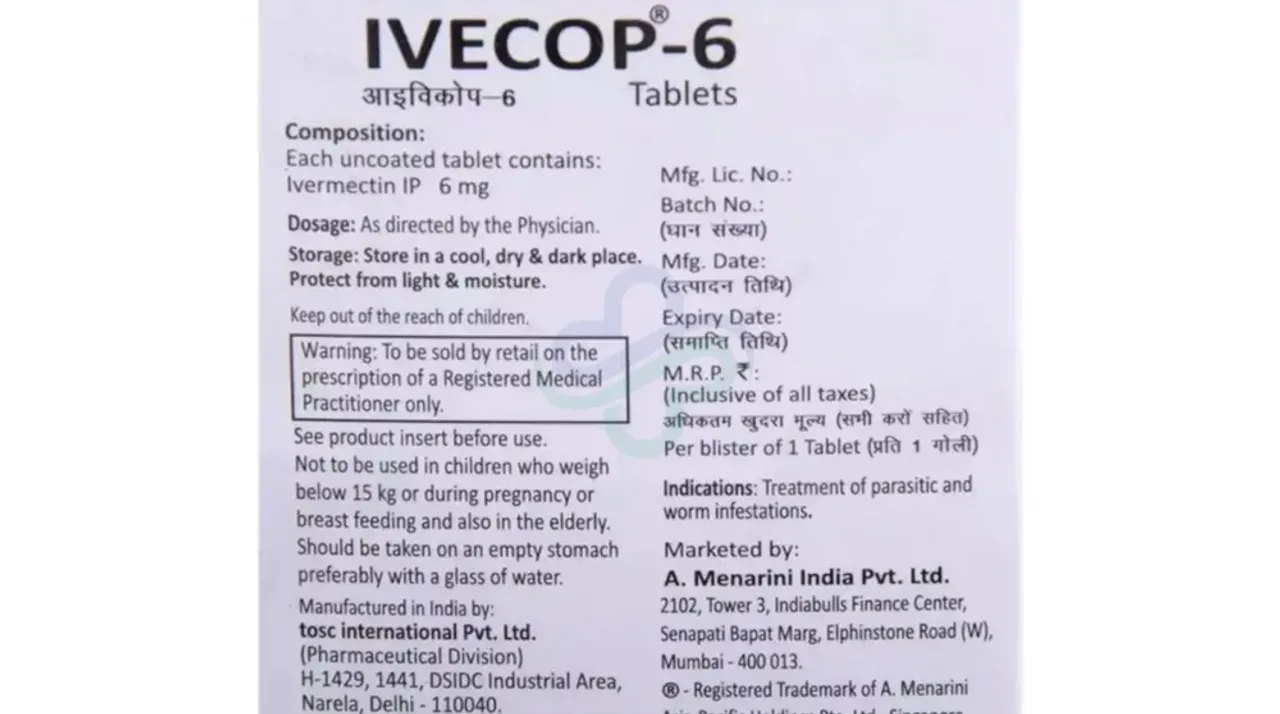
This is off-label use — it isn't a licensed indication for oral ivermectin in the UK, US, or most other countries, and it's not a first-line or routine approach. It's something a doctor might consider specifically for a genuinely treatment-resistant case, after standard options have been properly tried, not a shortcut to reach for instead of established first-line treatments. Reported side effects in these studies include nausea, vomiting, mild gastrointestinal upset, a temporary increase in itching in the first few days, and, rarely, seizures — broadly consistent with oral ivermectin's general side-effect profile covered in our side effects guide, plus the specific dosing pattern used in this context.
NHS-Recommended Head Lice Treatments
For most people in the UK, this is where treatment actually starts and often ends:
- Wet combing — using a fine-toothed detection comb on wet, conditioned hair, repeated over a couple of weeks; NHS guidance and trial data suggest this is roughly as effective as chemical treatments when done thoroughly and consistently
- Dimeticone lotion — a physical (non-insecticidal) treatment that works by coating and suffocating lice rather than a chemical mechanism, generally considered first-line among medicated options, applied and left on for several hours or overnight, repeated after a week
- Malathion lotion — a chemical insecticide treatment, used as an alternative, though resistance has been reported in some areas
Products containing permethrin and essential-oil-based treatments are specifically not recommended in current NHS guidance. If these standard options have been tried correctly and repeatedly without success, that's the point to discuss further options — potentially including off-label oral ivermectin — with a GP or pharmacist, rather than trying to source it independently.
Can You Use Ivermectin Cream (for Rosacea) on Head Lice?
No. Soolantra cream is formulated and licensed specifically for the inflammatory lesions of rosacea on facial skin, at a strength and formulation intended for that purpose — it isn't designed, tested, or approved for use on the scalp against lice, and using it this way isn't a safe or effective substitute for a purpose-made lice treatment.
Safety Considerations
Whichever option applies to your situation, a few general points matter:
- Follow product instructions exactly — under-treating (wrong contact time, missed repeat application) is one of the most common reasons lice treatment fails, regardless of which product is used
- Children have specific age-based restrictions for different products; check the product's patient information for the minimum age it's approved for
- Pregnant or breastfeeding women should ask a pharmacist before using any lice treatment, including topical ones, as a general precaution
- Oral ivermectin for lice, being off-label, should only be used under medical guidance, with the same weight-based dosing caution and precautions (pregnancy, liver function, other medicines) that apply to its licensed uses — see our guide to taking ivermectin safely
Sources & References
This article was written for general education and checked against the following current sources. Product information and clinical guidance are updated periodically — always check current sources or ask your pharmacist for anything specific to your situation.
- NHS — Head lice
- electronic Medicines Compendium (emc) — Medicines containing the active ingredient ivermectin
- New England Journal of Medicine — Oral Ivermectin versus Malathion Lotion for Difficult-to-Treat Head Lice
- MedlinePlus (U.S. National Library of Medicine, NIH) — Ivermectin Topical: Drug Information
Medical Disclaimer
This article is for general educational purposes and does not constitute individual medical advice. It is not a substitute for a consultation with a qualified doctor or pharmacist, who can assess your specific situation and appropriate treatment. See our full Disclaimer Policy for more information.