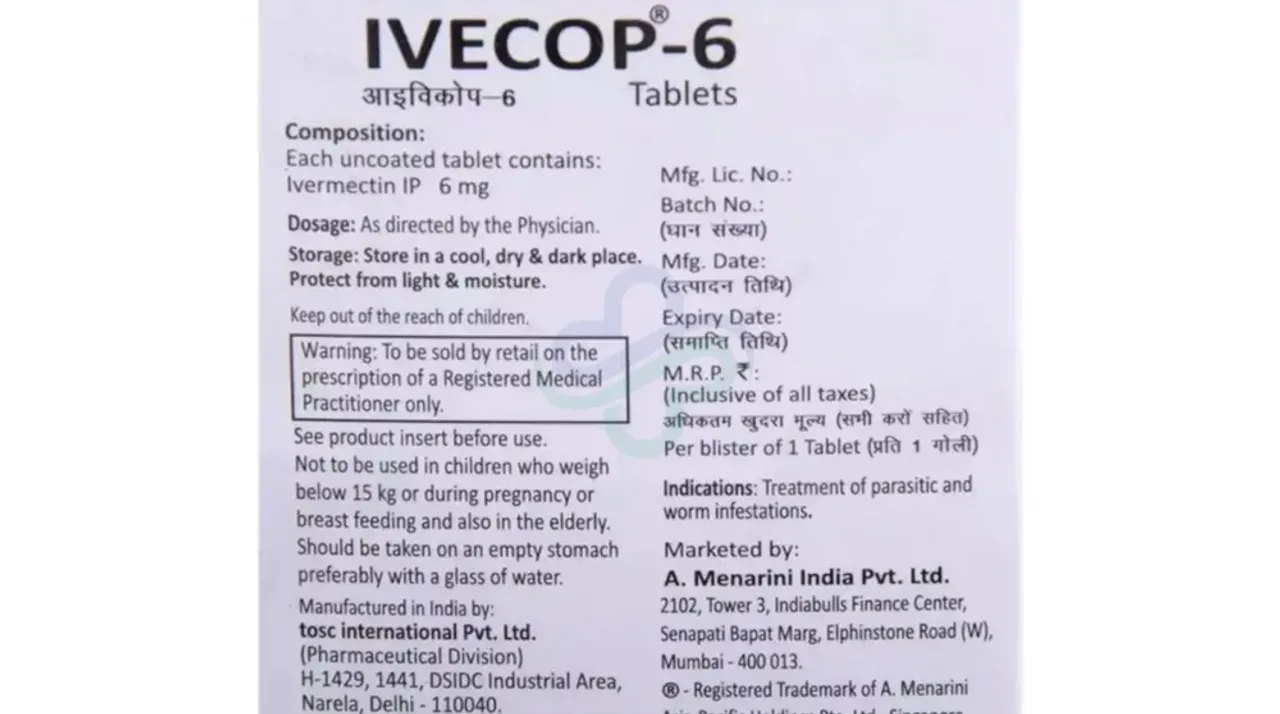
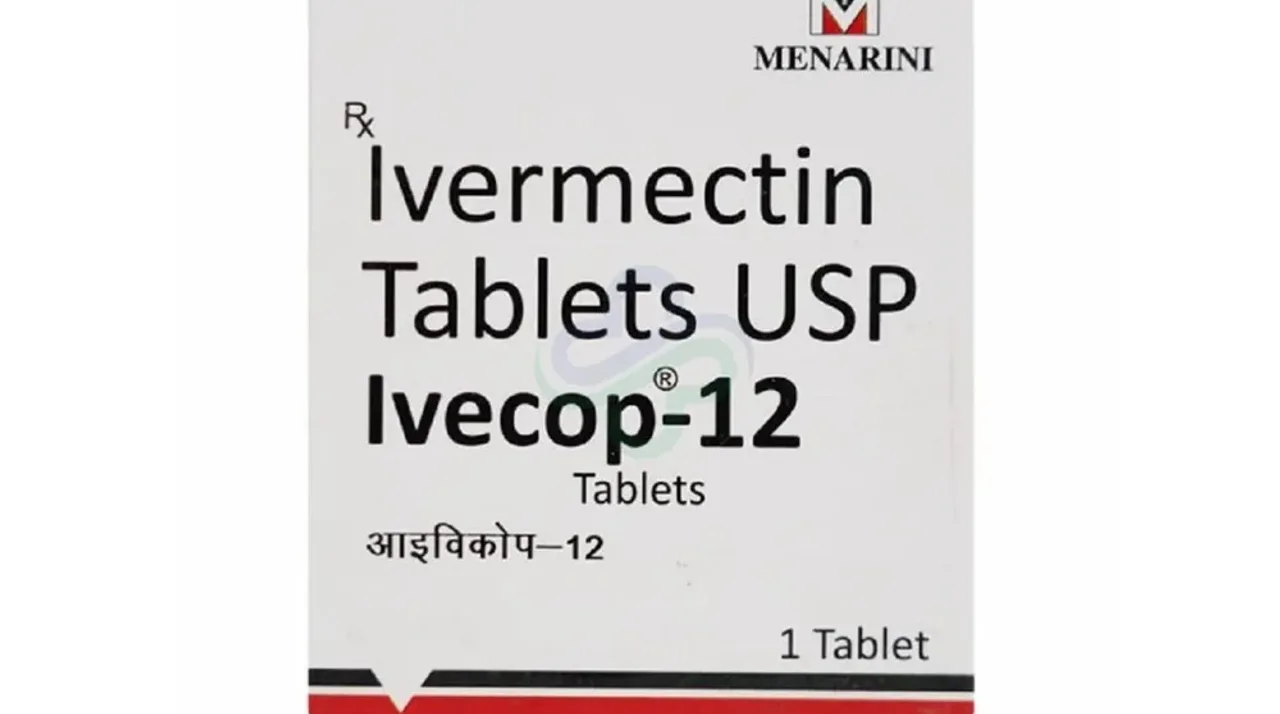
Quick Answer: What Should I Do If I Suspect an Ivermectin Overdose?
Treat it as a medical emergency. Contact your local emergency or poison control service immediately, or go to the nearest emergency department — in the UK, call 111 or 999 depending on severity, or go to A&E; don't wait to see if symptoms pass on their own. This applies whether the overdose involves a human ivermectin product taken in excess or, especially, a concentrated veterinary/animal ivermectin product, which carries substantially higher risk. There is no specific antidote — treatment is supportive care in a medical setting.
What Actually Counts as an Overdose?
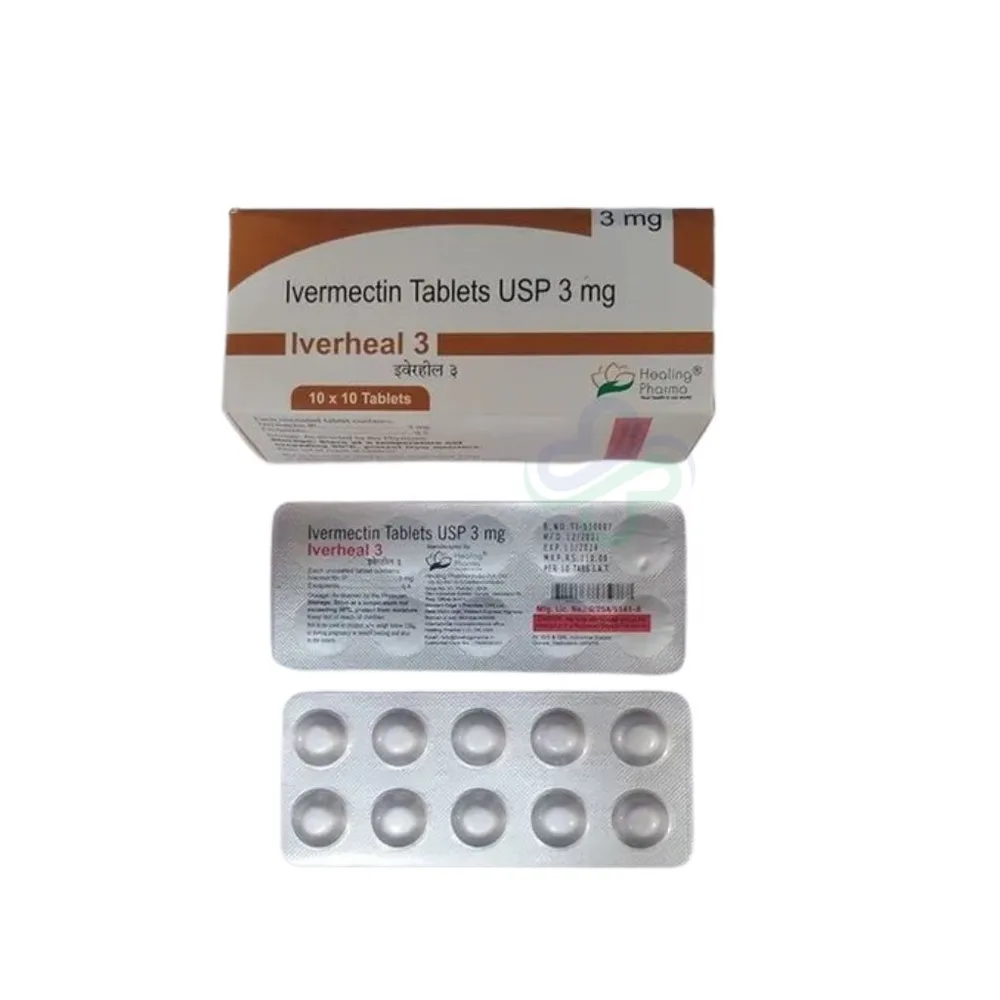
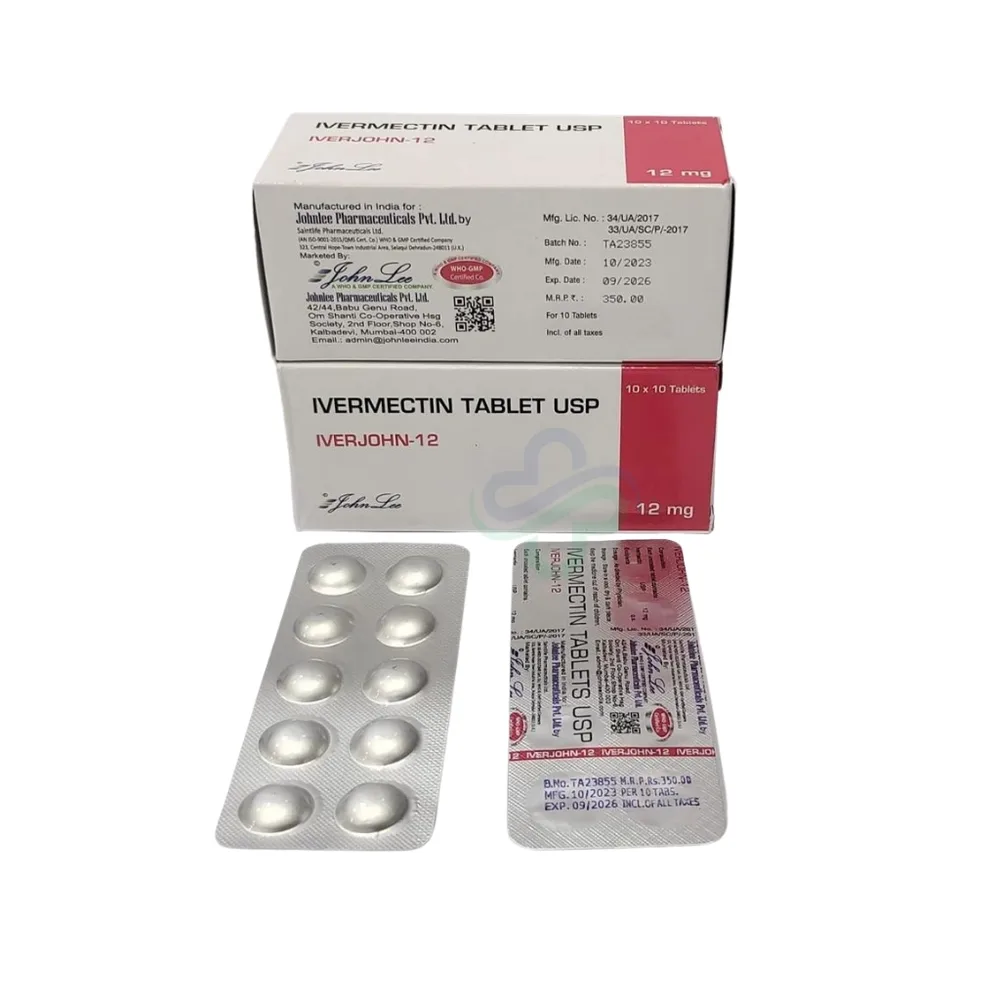
An overdose means taking more ivermectin than prescribed or intended — this can happen through genuine accidents (a child getting into a parent's medicine, confusion between products, an incorrect dose being calculated or dispensed), through deliberately taking more than directed, or through using a concentrated animal/veterinary formulation intended for livestock rather than a human product. That last category is disproportionately responsible for the most severe cases, covered in detail below.
Why Overdose Symptoms Occur: The Mechanism
Ivermectin works by binding to chloride channels in parasite nerve and muscle cells, causing paralysis of the parasite. These particular channels are far more prevalent in invertebrate parasites, and in mammals they sit mainly behind the blood-brain barrier, which normally limits how much ivermectin reaches the human central nervous system at approved doses. At excessive doses, or when normal barriers are overwhelmed, more of the drug can reach the brain and central nervous system, which is why overdose symptoms are so often neurological — drowsiness, confusion, difficulty with coordination, and in severe cases, seizures or loss of consciousness.
Symptoms of Ivermectin Overdose
According to official product and drug safety information, reported overdose symptoms include:
- Skin and allergic-type reactions: rash, hives, swelling
- Neurological: headache, dizziness, drowsiness, weakness, difficulty with coordination or balance, tingling or burning sensations in the hands or feet, confusion, seizures, loss of consciousness
- Respiratory: difficulty breathing
- Digestive: nausea, vomiting, diarrhoea, abdominal pain
Symptoms can range from mild to life-threatening, and severity generally relates to how much was taken and, significantly, whether a human or animal-strength product was involved. Our ivermectin side effects guide covers the separate topic of expected effects at correctly prescribed doses, for comparison.
Why Animal (Veterinary) Ivermectin Products Are Especially Dangerous
This deserves its own emphasis, because it's the source of the most serious documented overdose cases in recent years. Veterinary ivermectin products — formulated for horses, cattle, and other livestock — are manufactured at concentrations designed for animals many times a human's body weight, and their inactive ingredients aren't evaluated or formulated for human absorption or safety. During the COVID-19 pandemic, US poison control centres reported a dramatic surge in ivermectin exposure calls as people self-medicated, largely with these veterinary formulations, in the mistaken belief they could prevent or treat COVID-19 — national data described increases of several hundred percent in exposure cases within a matter of weeks, and the CDC and FDA issued specific health advisories in response. People who took concentrated animal ivermectin products have been hospitalised with symptoms including severe nausea and vomiting, dangerously low blood pressure, seizures, and, in serious cases, coma. Our main ivermectin guide covers the animal-versus-human distinction in more detail — the core message here is simple: if you've been prescribed ivermectin, only take the specific human product dispensed to you by a legitimate pharmacy, never a veterinary product.
Children and Accidental Ingestion
Children can be exposed to ivermectin overdose through accidentally swallowing a topical product (which isn't intended to be ingested) or getting into a household member's tablets. Because children's smaller body weight means a given amount of the drug represents a proportionally larger dose, this needs the same urgent response as an adult overdose — contact emergency or poison control services immediately, and keep all ivermectin products, tablets and topical alike, stored well out of children's reach between uses.
What to Do If You Suspect an Overdose
- Act immediately — don't wait to see whether symptoms develop or worsen
- Contact emergency services or poison control — in the UK, this means 111, 999 for a severe or life-threatening situation, or going straight to A&E; your local emergency department can also access the National Poisons Information Service for specialist guidance
- Have information ready if possible — what was taken (human tablet, topical product, or a veterinary product), roughly how much, and when
- Don't try to treat it yourself at home — there's no specific antidote, and inducing vomiting or taking other home remedies isn't recommended without medical guidance, since some of these actions can cause additional harm
- Bring the product packaging with you if you're going to a hospital or urgent care setting — this helps clinicians identify exactly what was taken
How Is an Ivermectin Overdose Treated?
There's no specific reversal agent (antidote) for ivermectin. Treatment in a medical setting is supportive — monitoring and managing symptoms as they occur, such as intravenous fluids for low blood pressure, seizure management if needed, and general monitoring of breathing and consciousness level until the drug is cleared from the body. This is exactly why professional medical assessment matters so much: the right supportive care depends on which symptoms actually develop and how severe they are, which isn't something to judge from home.
How Long Do Overdose Symptoms Last?
This varies considerably depending on how much was taken, the specific product involved, and individual factors, and isn't something this article can predict for a specific situation. Mild cases may resolve within a day or two under observation; more severe cases, particularly involving concentrated animal products or very large doses, can take considerably longer and may need ongoing hospital care. Recovery is guided by the treating medical team based on how your specific symptoms respond.
Missed Dose Is Not the Same as Overdose
It's worth being clear about the difference: taking less than prescribed, or missing a dose, isn't an overdose situation and is covered separately in our guide to taking ivermectin correctly, including what counts as a missed dose for different treatment courses. This article specifically concerns taking more than intended.
Sources & References
This article was written for general education and checked against the following current sources. Emergency guidance can change — always follow current advice from emergency services or poison control in your region.
- MedlinePlus (U.S. National Library of Medicine, NIH) — Ivermectin (oral): Drug Information
- U.S. Food and Drug Administration (FDA) — Why You Should Not Use Ivermectin to Treat or Prevent COVID-19
- New England Journal of Medicine — Toxic Effects from Ivermectin Use Associated with Prevention and Treatment of Covid-19
- electronic Medicines Compendium (emc) — Ivermectin 3mg Tablets, Patient Information Leaflet
Medical Disclaimer
This article is for general educational purposes and does not constitute individual medical advice. It is not a substitute for immediate emergency medical care if an overdose is suspected. See our full Disclaimer Policy for more information.