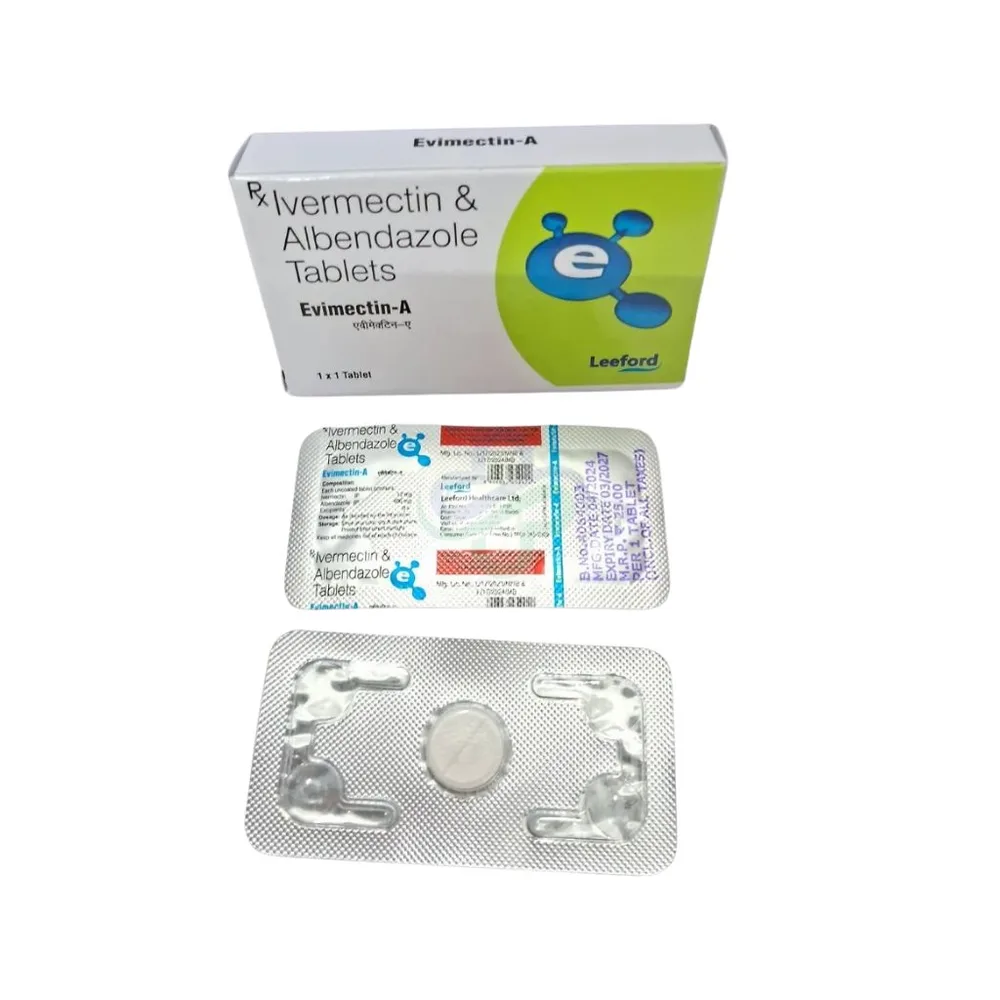
Quick Answer: What Is Evimectin-A?
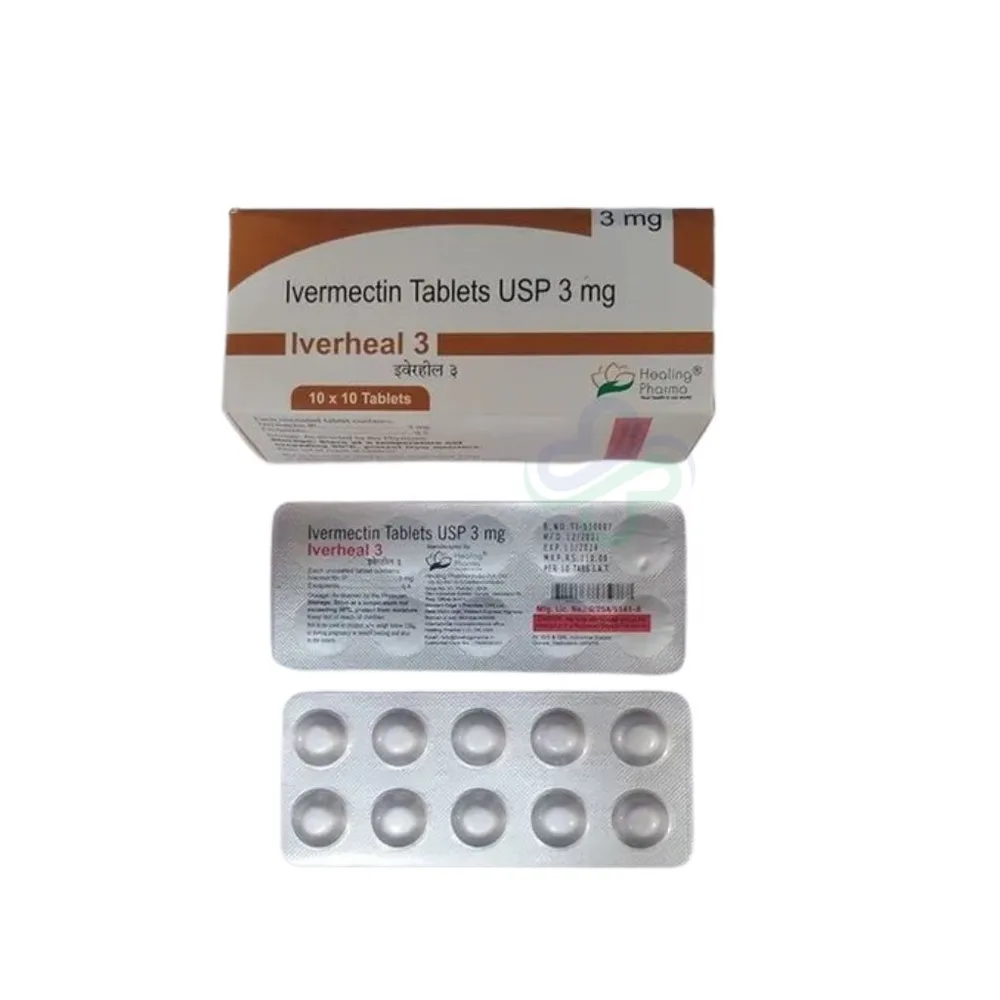
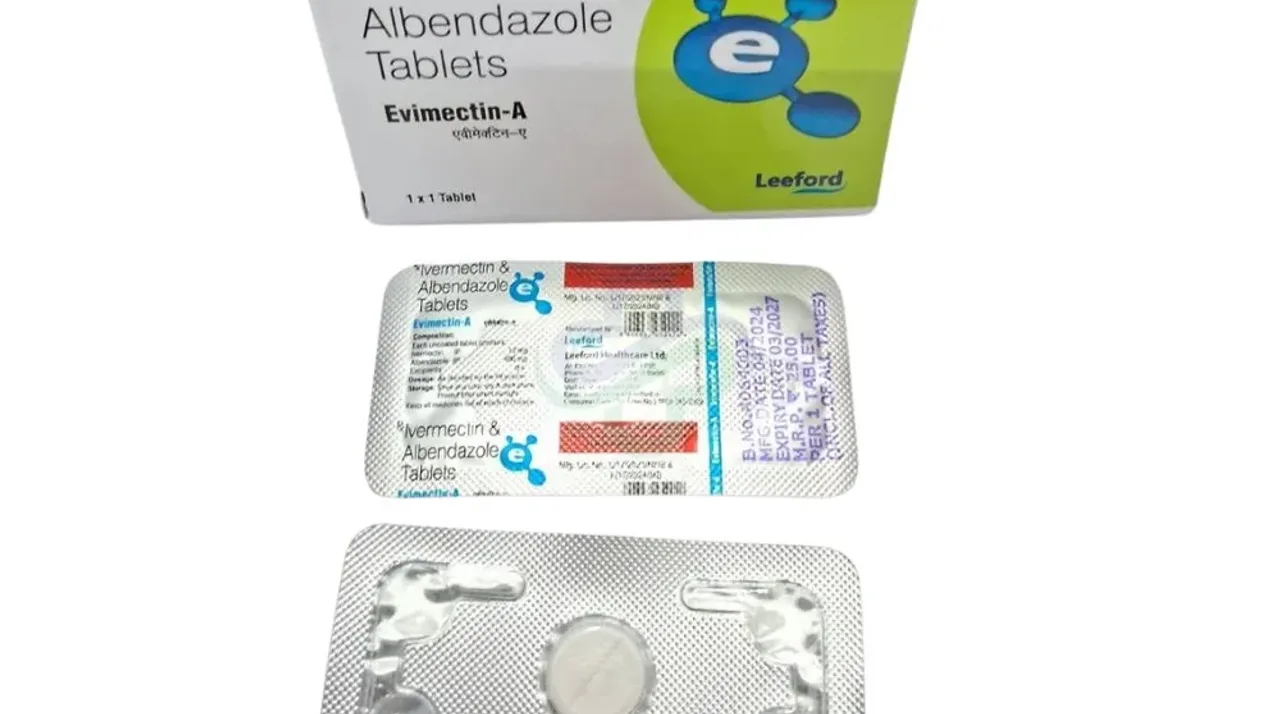
Evimectin-A, manufactured by Leeford, is a fixed-dose combination tablet containing two separate antiparasitic actives — albendazole and ivermectin — rather than ivermectin alone. It's used where combined coverage against a broader range of parasites is wanted, typically for mixed or suspected mixed intestinal parasite exposure. It is not interchangeable with single-ingredient ivermectin products such as Iverheal or Ivecop: the added albendazole component changes the side-effect profile, precautions, and — importantly — pregnancy safety considerations. This is a prescription decision, not a product to substitute for a single-ingredient ivermectin tablet on your own initiative.
What Is Evimectin-A?
Evimectin-A combines albendazole (a benzimidazole anthelmintic) and ivermectin (an avermectin antiparasitic) in a single tablet. The two drugs work through different mechanisms and act on somewhat different, though overlapping, ranges of parasites, which is the rationale for combining them rather than using either alone in situations where broader coverage is clinically appropriate. The exact strength of each active ingredient is printed on the pack and patient leaflet — always check this rather than assuming, and follow your prescriber's specific dosing instructions.
Is Evimectin-A a Regulator-Approved Combination Product?
It's worth being precise here. Albendazole and ivermectin each have their own individually approved uses and regulatory history as single-ingredient medicines in various countries. Evimectin-A as a specific fixed-dose combination is not an individually licensed branded product in the UK in the way single-ingredient ivermectin 3 mg tablets are listed on the electronic Medicines Compendium (emc). Combination antiparasitic therapy using both actives is a recognised clinical approach in appropriate circumstances, but whether this specific combined-tablet product is the right choice for your situation is a decision for your prescriber, who will confirm it against your diagnosis and local prescribing guidance — not something to assume from general information about the two ingredients separately.
How Do Albendazole and Ivermectin Work Together?
Albendazole works by inhibiting glucose uptake and microtubule function in susceptible parasites, depleting their energy stores and causing death — it's primarily active against intestinal helminths such as roundworm, hookworm, and whipworm. Ivermectin, by contrast, binds glutamate-gated chloride channels in parasite nerve and muscle cells, causing paralysis — it acts on a somewhat different range of parasites, including some that albendazole doesn't reliably cover. Combining the two is intended to broaden coverage in a single course when a mixed infection is suspected or confirmed, rather than treating with one drug and then potentially needing a second course with the other.
What Is Evimectin-A Used For?
Because it's a combination product, "what it's used for" depends on both components together, as assessed by a prescriber for your specific infection or suspected mixed infection. This is different from asking what ivermectin alone or albendazole alone is licensed for — see our main ivermectin guide and strongyloidiasis guide for ivermectin's own individually approved uses. Combination therapy is generally reserved for situations where a clinician has specific reason to treat for more than one type of parasite at once.
How Is Evimectin-A Taken?
Dosing for combination products depends on body weight and the specific infection(s) being treated, and must be set by a prescriber — do not assume the weight-based dosing tables used for single-ingredient ivermectin tablets apply directly here, since the albendazole component has its own separate dosing considerations. Some regimens pair albendazole specifically with a fatty meal to improve its absorption, which can differ from the empty-stomach advice typically given for ivermectin alone — follow your prescriber's exact instructions for this combination rather than general single-ingredient guidance.
Side Effects of Evimectin-A
Commonly reported: abdominal pain, nausea, headache, dizziness, and — associated specifically with the albendazole component — temporary hair thinning, which is usually reversible. Because two actives are combined, the side-effect profile is broader than ivermectin alone; see our ivermectin side effects guide for the ivermectin-specific picture, understanding that albendazole contributes additional effects not covered there.
Serious effects requiring urgent medical attention
- Signs of liver problems — yellowing of the skin or eyes, dark urine, unusual tiredness (albendazole can affect liver enzymes)
- Signs of a severe allergic reaction — facial or throat swelling, difficulty breathing
- Severe skin reactions
When Should You Not Take Evimectin-A?
Because this product contains albendazole, it carries precautions beyond those for ivermectin alone. Albendazole is generally avoided in the first trimester of pregnancy, and liver function monitoring is generally advised for people with pre-existing liver disease, since albendazole can affect liver enzymes. Ivermectin's own precautions also apply — safety hasn't been established in children under 15 kg, and caution applies for anyone with a Loa loa-endemic travel history.
Evimectin-A and Pregnancy
This combination is generally not recommended in pregnancy. Albendazole is generally contraindicated in pregnancy, particularly the first trimester, and ivermectin's own product information recommends it be used in pregnancy only when strictly indicated. Because Evimectin-A combines both, women of childbearing potential should discuss contraception and alternatives with their prescriber before starting treatment, rather than assuming either component's individual pregnancy profile applies straightforwardly to the combination.
Drug Interactions
Cimetidine and dexamethasone have both been reported to increase plasma levels of albendazole's active metabolite. Separately, no formal interaction studies exist for ivermectin, though a raised INR has been reported with warfarin. Tell your prescriber about every medicine you take before starting this combination — see our ivermectin drug interactions guide for the ivermectin-specific detail.
What Happens If You Miss a Dose?
Contact your prescriber or pharmacist rather than guessing. Combination-therapy schedules are set individually based on the infection(s) being treated, so there's no single missed-dose rule that applies universally.
Evimectin-A vs Single-Ingredient Ivermectin
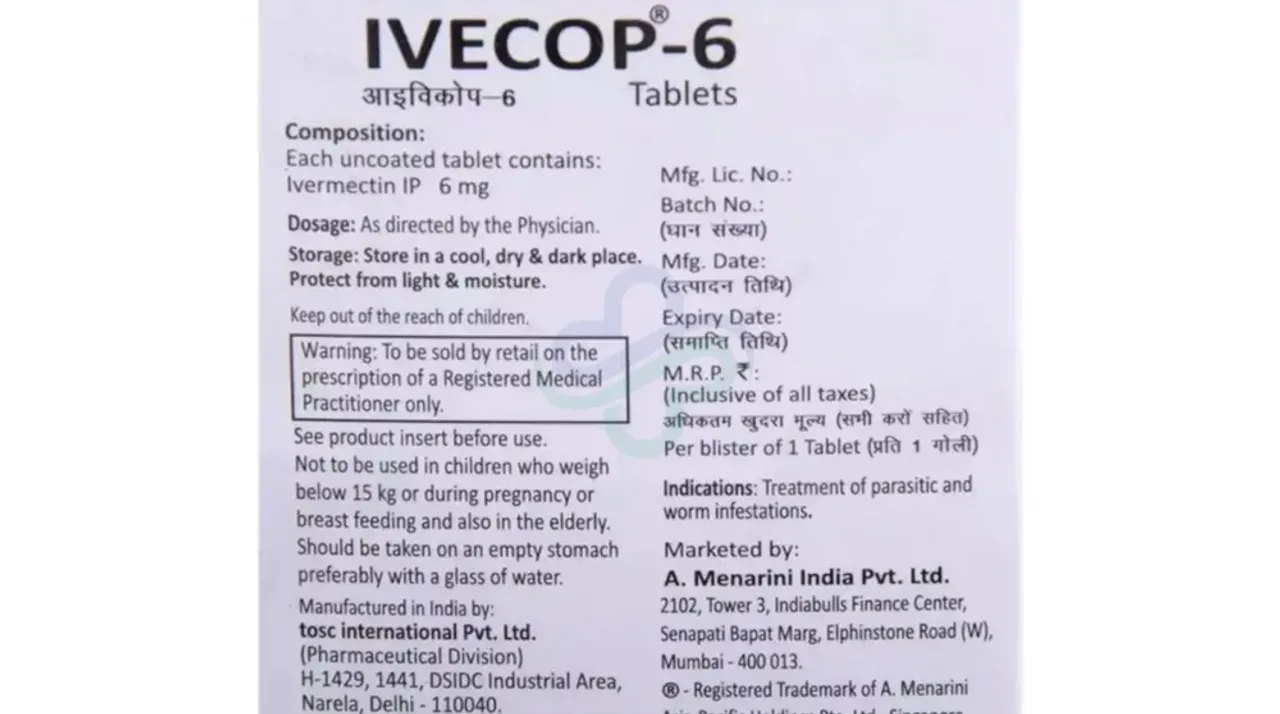
This is the most important distinction to understand: Evimectin-A is not simply "ivermectin" under a different name. The added albendazole component changes what the tablet covers, its side-effect profile, and its pregnancy precautions. If your prescriber has recommended a single-ingredient ivermectin product instead — such as Iverheal or Ivecop — that's a different, narrower-spectrum treatment, and the two aren't interchangeable without your prescriber's guidance.
If Your Doctor Has Prescribed Evimectin-A
You can review the product on the Medionix page for Evimectin-A tablets, alongside our wider ivermectin range.
Storage Information
Store Evimectin-A tablets in a cool, dry place, protected from light and moisture, in the original packaging, out of reach of children. Check the specific storage wording on your dispensed pack, and don't use tablets after the expiry date printed on it.
Sources & References
- electronic Medicines Compendium (emc) — Ivermectin 3mg Tablets, Summary of Product Characteristics (ivermectin component reference)
- MedlinePlus (U.S. National Library of Medicine, NIH) — Ivermectin (oral): Drug Information
Information on the albendazole component reflects general prescribing knowledge for this established anthelmintic; always check the specific patient information leaflet supplied with your dispensed Evimectin-A pack for exact composition and instructions.
Medical Disclaimer
This article is for general educational purposes and does not constitute individual medical advice. It is not a substitute for a consultation with a qualified doctor or pharmacist, who can confirm whether combination therapy is appropriate for your specific infection. See our full Disclaimer Policy for more information.