Quick Answer: What Is Ivrea Used For?
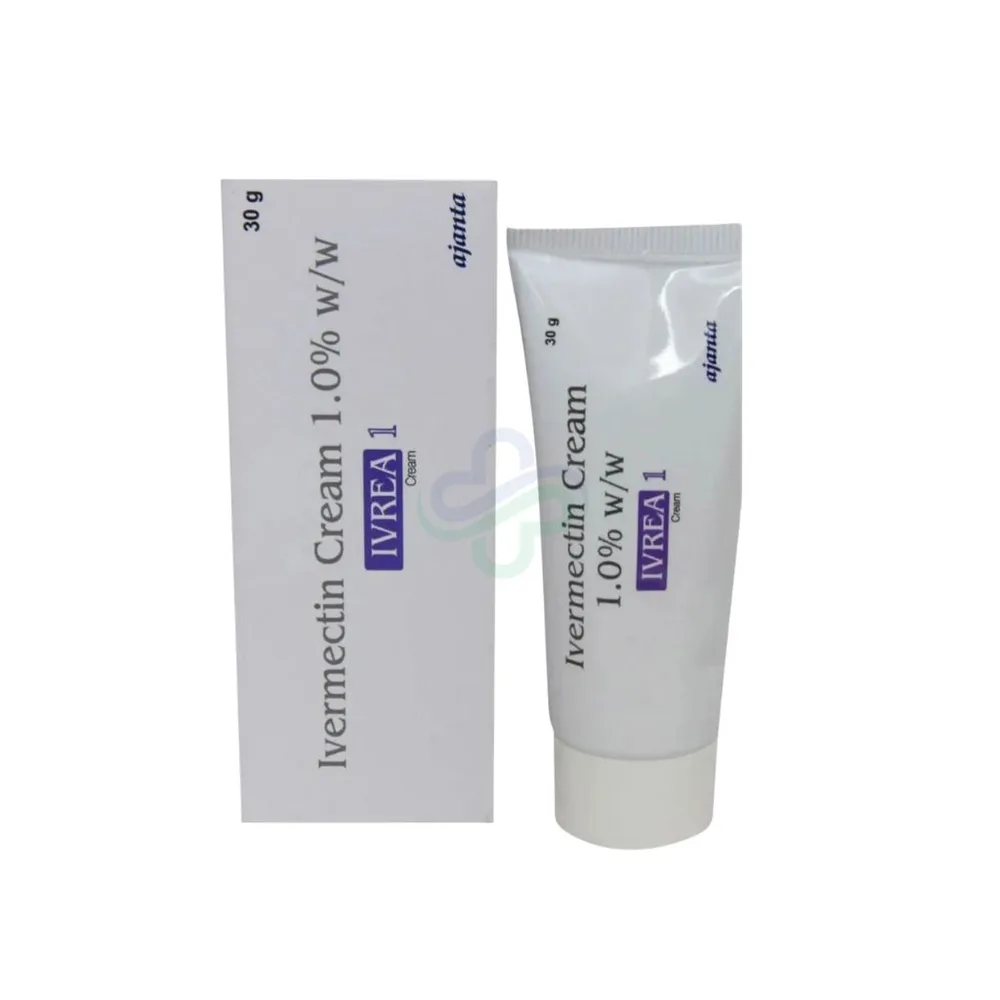
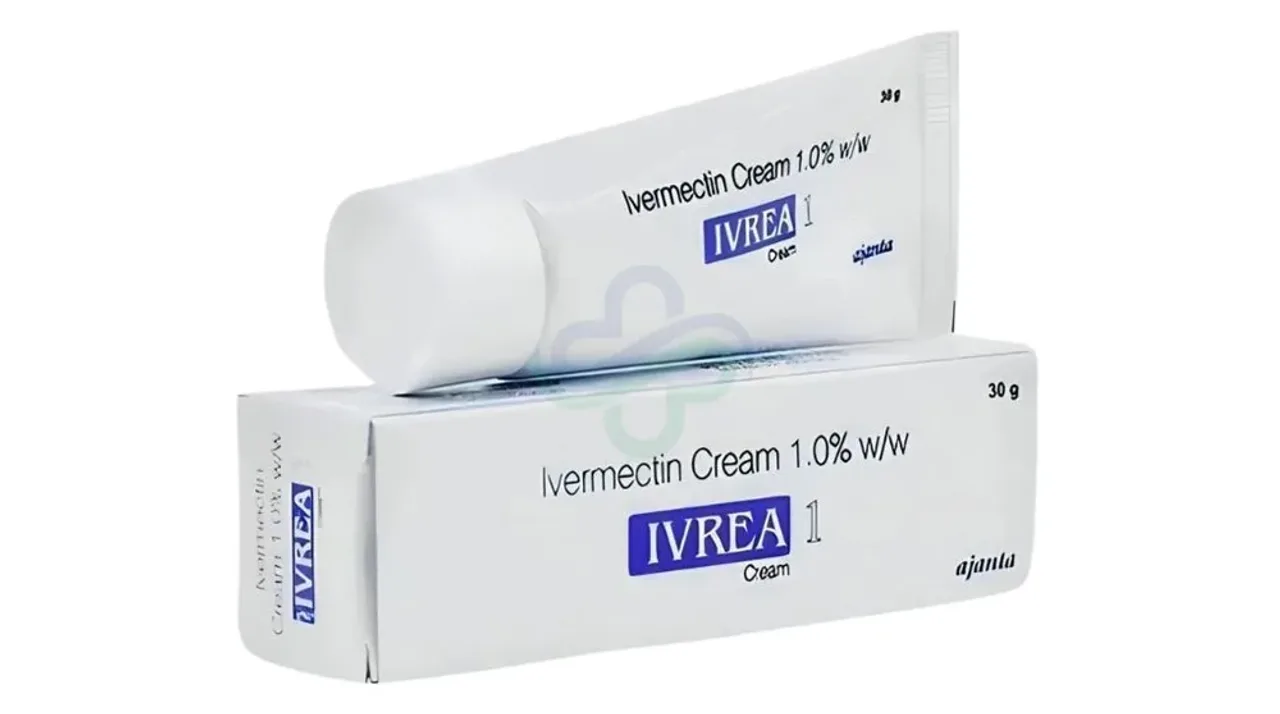
Ivrea (also labelled Ivrea-1) is a 1% w/w topical ivermectin cream manufactured by Ajanta Pharma, applied to the skin — a fundamentally different product from oral ivermectin tablets, not just a different strength of the same thing. Topical ivermectin cream at this concentration is the formulation regulators such as the FDA have approved for the inflammatory lesions of papulopustular rosacea, marketed in some countries as Soolantra. Ivrea is Ajanta Pharma's version of a topical ivermectin cream at the same active ingredient and strength; always check which specific branded product your prescriber has recommended, since licensing and availability vary by country and product.
What Is Ivrea?
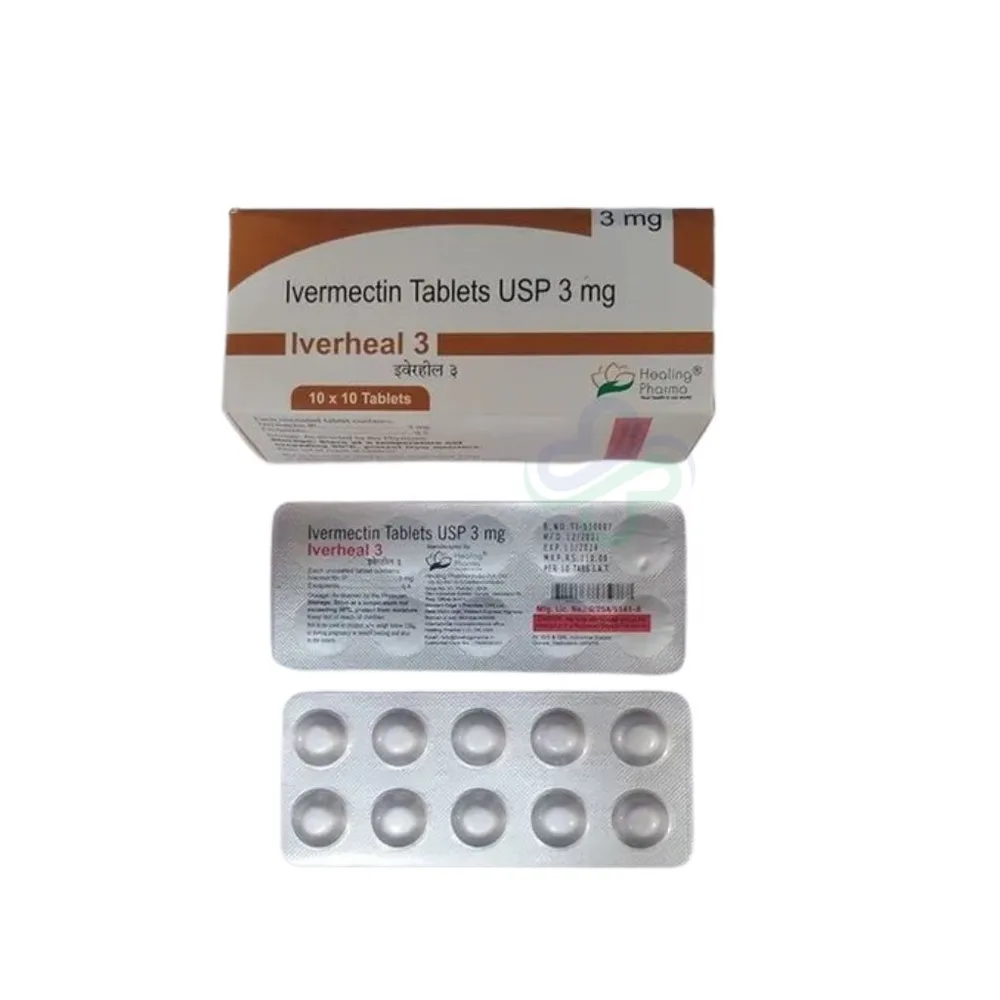
Ivrea is a cream containing ivermectin 1.0% w/w, intended for external, topical use on the skin — not for swallowing. It's a completely different formulation from the oral ivermectin tablets covered elsewhere in our ivermectin content, such as Iverheal or Iverjohn. If you've been prescribed a tablet, applying it to your skin isn't a safe or effective substitute for a purpose-made topical cream, and vice versa — our oral vs topical ivermectin guide covers this distinction in detail.
What Is Ivrea Used For?
Topical ivermectin cream at the 1% concentration is primarily associated with treating the inflammatory lesions — papules and pustules — of rosacea in adults. It's also described in some product literature as having activity against skin parasites and mites, reflecting ivermectin's general antiparasitic mechanism, though the specific, well-established, regulator-reviewed indication for topical ivermectin cream at this strength is rosacea. If you're considering this product for a different skin condition, that's a conversation to have directly with your prescriber, who can confirm whether it's appropriate for your specific diagnosis.
How Does Ivrea Work for Rosacea?
Ivermectin has both antiparasitic and anti-inflammatory properties relevant to rosacea. Skin affected by rosacea often has increased numbers of Demodex mites — microscopic mites that live in hair follicles and are thought to contribute to the inflammation seen in this condition. Topical ivermectin reduces the number of these mites and also has a direct effect on the inflammatory response, addressing what's believed to be a contributing factor rather than just masking symptoms.
How Is Ivrea Applied?
General guidance for topical ivermectin cream at this strength involves applying a thin layer once daily to the affected facial areas — commonly forehead, chin, nose, and both cheeks — as a pea-sized amount spread thinly, avoiding the eyes, mouth, nostrils, and inner ears. Wash your hands after application. Results are typically gradual: many people see some reduction in papules and pustules within around 4 weeks, with fuller improvement over 8–16 weeks of consistent daily use. This is general information — always follow the specific instructions on your dispensed product's patient leaflet and your prescriber's guidance.
Side Effects of Ivrea
Because it acts locally on the skin rather than being absorbed into the bloodstream to any meaningful extent, Ivrea's side-effect profile is different from oral ivermectin tablets — mainly local skin reactions rather than the systemic effects covered in our oral ivermectin side effects guide. Commonly reported effects include mild skin burning, dryness, and itching at the application site, usually mild-to-moderate and often easing with continued use. A temporary flare in rosacea symptoms during the first week of treatment has also been reported with topical ivermectin generally, thought to relate to a reaction to dying Demodex mites, and this usually settles without needing to stop treatment.
Seek medical help for
- Severe skin irritation that doesn't settle
- Signs of an allergic reaction — swelling, widespread rash, difficulty breathing
When Should You Not Use Ivrea?
Avoid contact with the eyes and mucous membranes, and don't use it on broken or significantly irritated skin without checking with a pharmacist first. Systemic absorption from topical use is minimal, but safety in pregnancy hasn't been formally established for this route either, so it's still worth discussing with your prescriber before use if you're pregnant, trying to conceive, or breastfeeding.
Who Should Talk to a Doctor Before Using Ivrea?
- Anyone pregnant, trying to conceive, or breastfeeding
- Anyone unsure whether their skin condition is actually rosacea, since misdiagnosed skin conditions won't respond appropriately to this treatment
- Anyone with broken, infected, or significantly irritated skin in the area to be treated
How Long Should Treatment Continue?
Rosacea treatment with topical ivermectin is typically continued for a defined course, often 12–16 weeks, with your dermatologist assessing response and advising on continued or intermittent use for longer-term management based on how you respond and whether symptoms recur.
Can Ivrea Be Combined With Other Skincare?
It can generally be used alongside gentle, rosacea-appropriate skincare and sun protection — sun exposure is a recognised trigger for rosacea flares, so a fragrance-free, mineral-based SPF 30+ product is generally sensible during treatment. Combining it with other active ingredients (such as prescription metronidazole) or harsher exfoliating products should be discussed with your dermatologist first, since some combinations may increase irritation.
Ivrea vs Oral Ivermectin Tablets
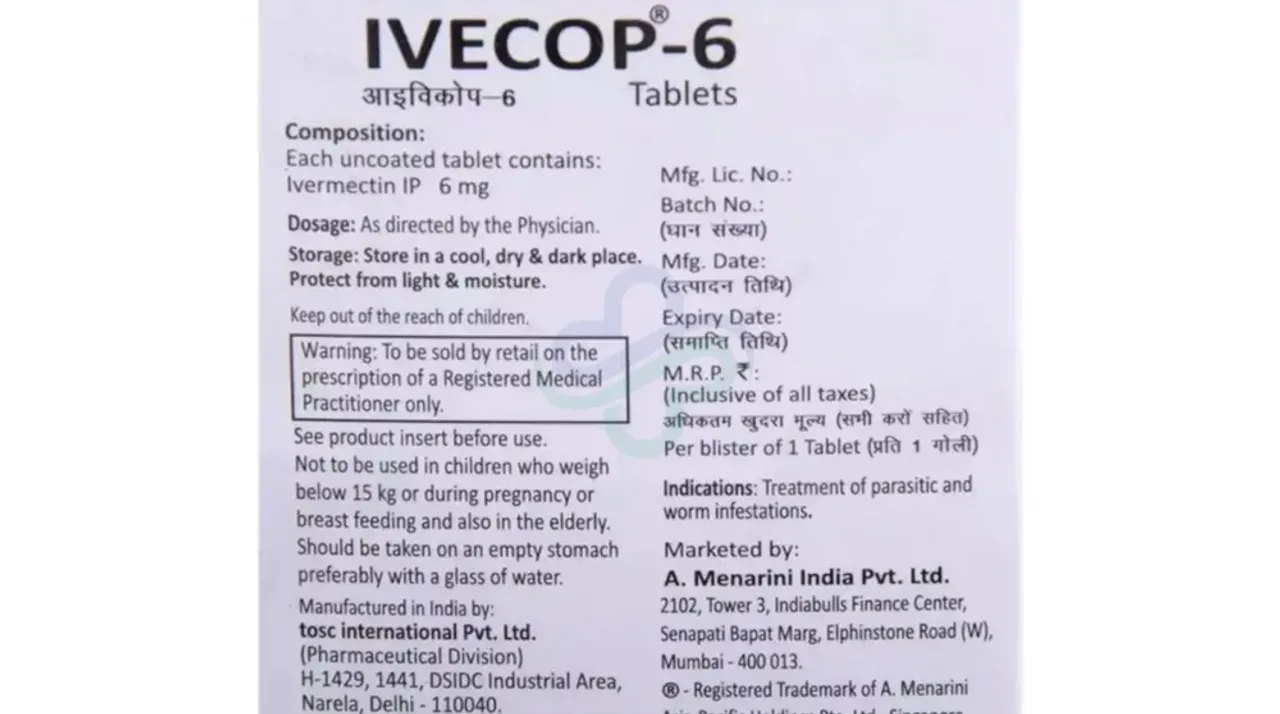
This is worth restating clearly because it's a genuinely common point of confusion: Ivrea is not a topical version of the same treatment used for scabies, strongyloidiasis, or lymphatic filariasis. Those conditions are treated with oral tablets that are absorbed into the bloodstream; Ivrea acts locally on the skin for a completely different, non-parasitic-infection condition. Using one in place of the other isn't appropriate.
If Your Doctor Has Prescribed Ivrea
You can review the product on the Medionix page for Ivermectin Cream 1% (Ivrea), alongside our wider ivermectin range.
Storage Information
Store Ivrea cream below 25°C, away from light and moisture, with the tube tightly closed after each use. Keep it out of reach of children and don't use it after the expiry date printed on the tube and carton.
Sources & References
- electronic Medicines Compendium (emc) — Soolantra 10mg/g Cream, Summary of Product Characteristics (reference for topical ivermectin cream's licensed rosacea indication)
- MedlinePlus (U.S. National Library of Medicine, NIH) — Ivermectin Topical: Drug Information
Medical Disclaimer
This article is for general educational purposes and does not constitute individual medical advice. It is not a substitute for a consultation with a qualified doctor or dermatologist, who can confirm your diagnosis and whether this product is appropriate for you. See our full Disclaimer Policy for more information.