
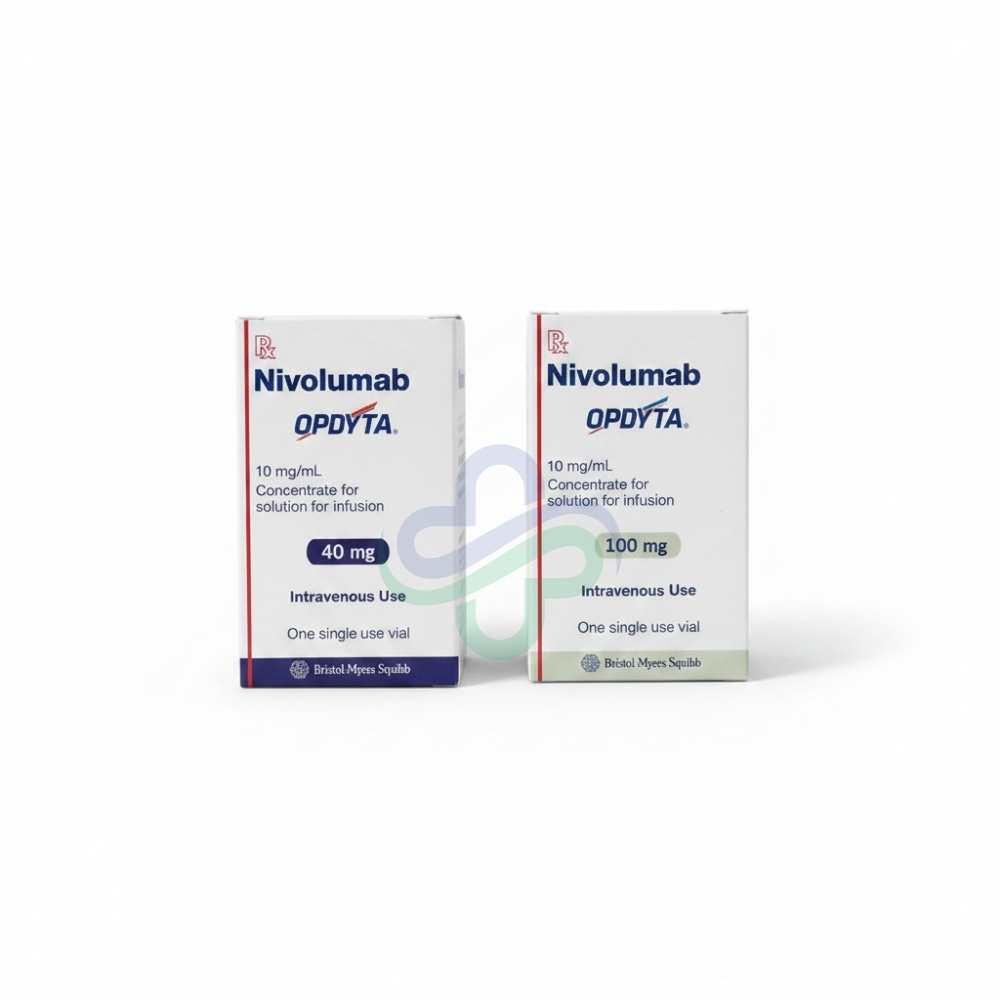
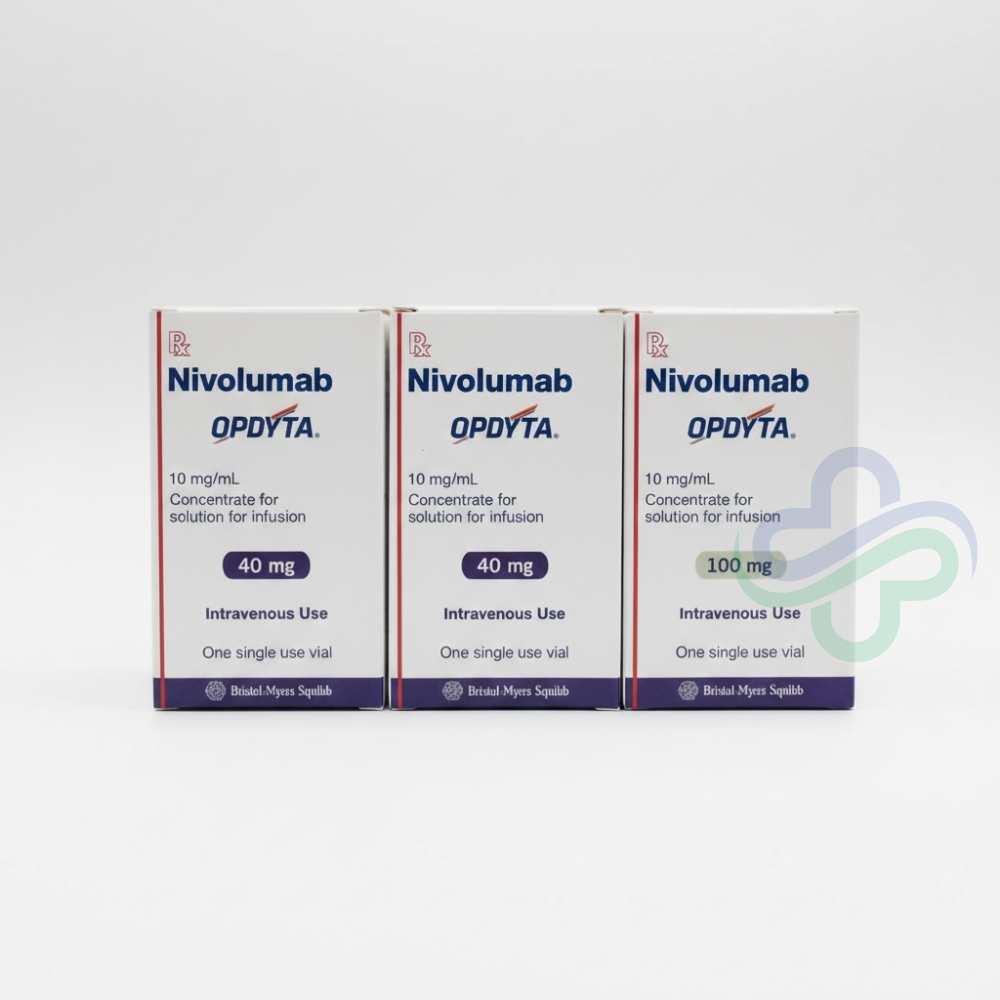
Nivolumab OPDYTA 100 Mg Injection
Single vial
Free Shipping
Order above $200.00
Worldwide Delivery
8-10 Business Days
24/7 Support
Solve your queries
- 100% Genuine Medicines
- Secure International Logistics
- Secure Payment
- Authentic Pharmaceutical Supplier
How to Order from Medionix Pharma
Add Products
Browse our medicines and add the required products to your cart.
Add Products to Cart
Order Method
Place your order easily through WhatsApp or Email support.
Choose Your Ordering Method
Share Details
Provide your delivery address and contact information.
Share Delivery & Prescription Details
Order Dispatched
Your order is packed securely and shipped worldwide.
Order Confirmation & Dispatch
What is Nivolumab (Opdyta) Used For?
- Nivolumab (Opdyta) is used for:
- Melanoma – Unresectable or metastatic melanoma
- Non-Small Cell Lung Cancer – Metastatic NSCLC after platinum-based chemotherapy
- Renal Cell Carcinoma – Advanced RCC after prior anti-angiogenic therapy
- Classical Hodgkin Lymphoma – Relapsed after auto-HSCT and brentuximab
- Head and Neck Cancer – Recurrent or metastatic squamous cell carcinoma
- Hepatocellular Carcinoma – After prior sorafenib treatment
How Does Nivolumab Work?
- Nivolumab is a PD-1 immune checkpoint inhibitor, which:
- Blocks the PD-1 receptor on T-cells
- Prevents tumor cells from evading immune detection
- Restores anti-tumor immune responses to attack cancer cells
How to Use Nivolumab
Dosage: 240mg every 2 weeks or 480mg every 4 weeks as monotherapy; combination dosing varies
Administration: Intravenous infusion over 30-60 minutes in clinical setting
Precaution: Monitor for immune-mediated adverse reactions; may require corticosteroids for management; oncologist supervision mandatory
Side Effects of Nivolumab
Common Side Effects: Fatigue, rash, pruritus, diarrhea, nausea, decreased appetite
Serious Side Effects (seek medical help): Immune-mediated pneumonitis, colitis, hepatitis, nephritis, endocrinopathies, severe skin reactions
Frequently Asked Questions
Q1: What cancers does Nivolumab (OPDYTA) treat?
Nivolumab treats unresectable or metastatic melanoma, metastatic NSCLC post-platinum chemotherapy, advanced renal cell carcinoma, relapsed classical Hodgkin lymphoma, recurrent/metastatic head and neck squamous cell carcinoma, and hepatocellular carcinoma after sorafenib.
Q2: How does Nivolumab work?
Nivolumab is a PD-1 immune checkpoint inhibitor. It blocks the PD-1 receptor on T-cells, preventing tumor cells from using the PD-L1/PD-L2 pathway to escape immune detection. This restores the immune system's ability to recognize and destroy cancer cells.
Q3: How is Nivolumab administered?
It is given as an intravenous infusion over 30 minutes (as monotherapy) to 60 minutes (with ipilimumab), every 2 weeks at 240mg or every 4 weeks at 480mg. It is always given in a clinical setting under medical supervision.
Q4: What are immune-related adverse events (irAEs)?
Because Nivolumab activates the immune system, it can cause inflammation in healthy organs — called immune-related adverse events. These can affect the lungs (pneumonitis), bowel (colitis), liver (hepatitis), skin, kidneys, endocrine glands, and nervous system.
Q5: What are the most common side effects?
Common side effects include fatigue, rash, pruritus (itching), diarrhea, nausea, and decreased appetite. Most are immune-mediated and respond to corticosteroid treatment.
Q6: What serious immune-related side effects require emergency care?
Seek immediate care for: new or worsening shortness of breath (pneumonitis), severe or bloody diarrhea (colitis), yellowing of skin/eyes (hepatitis), severe skin blistering, hormonal symptoms (thyroid dysfunction, adrenal insufficiency), or severe muscle weakness.
Q7: How are immune-related side effects managed?
Most irAEs are managed by withholding Nivolumab and starting systemic corticosteroids (prednisolone/methylprednisolone). Severe irAEs require high-dose IV steroids and often permanent discontinuation of treatment.
Q8: Can Nivolumab be combined with other cancer treatments?
Yes. Nivolumab is FDA-approved in combination with ipilimumab (another checkpoint inhibitor) for melanoma and RCC. It is also combined with chemotherapy in NSCLC and gastric cancer. Combinations carry higher irAE risk.
Q9: Is Nivolumab safe during pregnancy?
No. Nivolumab can cause fetal harm and premature birth. It is contraindicated during pregnancy. Effective contraception is required during treatment and for at least 5 months after the final dose.
Q10: What monitoring is required during Nivolumab treatment?
Regular blood tests for liver function, thyroid function, cortisol, and kidney function are needed. Imaging to assess treatment response (typically every 8–12 weeks) and clinical monitoring for irAEs are also required throughout treatment.
Q11: How should Nivolumab vials be stored?
Store at 2°C–8°C in the refrigerator. Do not freeze or shake. Protect from light. Keep in the original carton. Once diluted for infusion, use within 24 hours.
Q12: Is Nivolumab available without a prescription?
No. Nivolumab is a specialist prescription-only immunotherapy drug administered exclusively in hospital oncology settings by trained healthcare professionals.
Customer Reviews
Dr. Rachel Kim
USA · 1 week ago
“Procured Imatinib for our oncology department. Packaging integrity was intact and cold chain maintained. Professionally handled.”
St. Luke's Pharmacy
Canada · 1 month ago
“Consistent quality across multiple procurement orders. Packaging meets international pharmaceutical transport standards fully.”
Dr. Marcus Webb
Australia · 2 months ago
“Reliable source for hard-to-find oncology medications. Packaging was correct for temperature-sensitive biologics throughout transit.”
Dr. Rachel Kim
USA · 1 week ago
“Procured Imatinib for our oncology department. Packaging integrity was intact and cold chain maintained. Professionally handled.”
St. Luke's Pharmacy
Canada · 1 month ago
“Consistent quality across multiple procurement orders. Packaging meets international pharmaceutical transport standards fully.”
Related Products
Disclaimer
The information provided on Medionix Pharma is intended for general informational purposes only. It should not be considered as medical advice, diagnosis, or treatment. Always consult a qualified healthcare professional before using any medication or starting any treatment.
Medionix Pharma does not encourage self-medication. Customers are responsible for ensuring that purchases comply with local laws and prescription requirements in their country. If you have any questions or concerns regarding the content on our website, please contact us at sales@medionixpharma.com.