
.jpg)
.jpg)
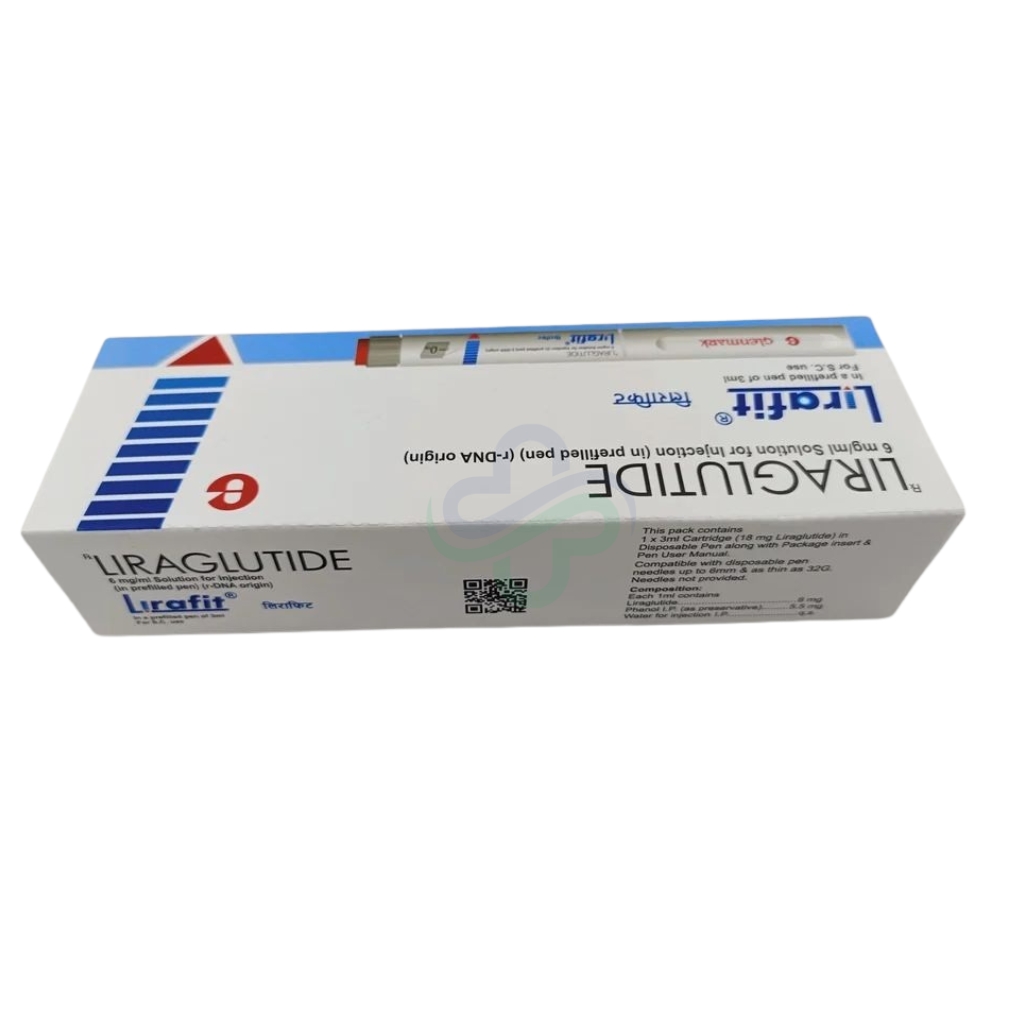
Lirafit Liraglutide Injection
1 pre-filled pen
Free Shipping
Order above $200.00
Worldwide Delivery
8-10 Business Days
24/7 Support
Solve your queries
- 100% Genuine Medicines
- Secure International Logistics
- Secure Payment
- Authentic Pharmaceutical Supplier
How to Order from Medionix Pharma
Add Products
Browse our medicines and add the required products to your cart.
Add Products to Cart
Order Method
Place your order easily through WhatsApp or Email support.
Choose Your Ordering Method
Share Details
Provide your delivery address and contact information.
Share Delivery & Prescription Details
Order Dispatched
Your order is packed securely and shipped worldwide.
Order Confirmation & Dispatch
What is Lirafit (Liraglutide) Used For?
- Lirafit is used for:
- Metabolic Support – Comprehensive metabolic optimization and recovery
- Cellular Recovery – Enhanced cellular function via GLP-1 pathway activation
- Weight Optimization – Sustained healthy weight management
- Glucose Metabolism – Improved cellular glucose utilization and handling
- Mitochondrial Function – Enhanced cellular energy production
- Systemic Recovery – Overall metabolic system restoration and balance
How Does Lirafit Work?
- Lirafit contains Liraglutide, which:
- Activates GLP-1 receptors throughout the body for metabolic optimization
- Enhances cellular glucose uptake and improves insulin sensitivity
- Promotes cellular autophagy (cleanup) and regeneration processes
- Increases energy expenditure at the mitochondrial level
How to Use Lirafit
Dosage: 0.6mg starting dose, escalating to therapeutic dose of 2-3mg daily
Administration: Subcutaneous injection via pre-filled pen once daily; consistent timing recommended
Precaution: Gradual dose escalation minimizes GI side effects; maintain healthy diet; physician guidance recommended
Side Effects of Lirafit
Common Side Effects: Mild gastrointestinal disturbance, nausea (particularly with dose escalation), fatigue, headache
Serious Side Effects (seek medical help): Pancreatitis, severe nausea/vomiting, rapid heart rate, severe hypoglycemia signs
Benefits
- Supports sustained and clinically meaningful weight reduction
- Improves insulin sensitivity and fasting glucose control
- Reduces visceral fat accumulation and improves waist-to-hip ratio
- Promotes satiety by slowing gastric emptying and influencing appetite centers
- Enhances mitochondrial efficiency and cellular energy output
- May improve cardiovascular risk markers including blood pressure and triglycerides
Warnings and Precautions
- Contraindicated in patients with a personal or family history of medullary thyroid carcinoma or MEN 2
- Stop use immediately if symptoms of pancreatitis develop (persistent severe abdominal pain)
- Monitor renal function in patients with chronic kidney disease during titration
- Avoid use in patients with severe gastrointestinal disease, including gastroparesis
- Use caution in patients on insulin or insulin secretagogues to avoid hypoglycemia
- Not recommended during pregnancy — women of childbearing potential should use contraception
Drug Interactions
- Insulin and sulfonylureas: increased hypoglycemia risk; dose reduction of the co-administered agent may be needed
- Oral contraceptives: may have slightly delayed absorption due to slowed gastric emptying — no significant clinical effect noted at approved doses
- Warfarin: INR monitoring is advisable as Liraglutide may affect anticoagulant levels
- Alcohol: increases risk of gastrointestinal adverse effects and should be moderated during therapy
Storage Information
- Store at room temperature between 15°C and 30°C
- Protect from moisture, heat, and direct sunlight
- Keep in original packaging until use
- Keep out of reach of children
- Do not use after the expiration date
Frequently Asked Questions
Q1: What is Lirafit (Liraglutide) used for?
Lirafit is used for metabolic support, sustained weight management, cellular recovery, improved glucose handling, and mitochondrial function enhancement. It activates the GLP-1 receptor pathway to support overall metabolic health.
Q2: How does Lirafit work?
Lirafit contains Liraglutide, which acts as a GLP-1 receptor agonist. It increases insulin secretion in a glucose-dependent manner, slows gastric emptying to prolong satiety, reduces appetite signals in the brain, and promotes cellular glucose uptake and energy production.
Q3: What is the recommended dose of Lirafit?
Lirafit is started at 0.6 mg once daily and increased by 0.6 mg per week over several weeks up to the therapeutic dose of 2–3 mg daily. This gradual titration reduces the likelihood of gastrointestinal side effects.
Q4: How long until effects are noticed with Lirafit?
Appetite suppression is often felt within the first 1–2 weeks. Visible weight loss and metabolic improvements generally become apparent after 4–6 weeks. Optimal benefits including cellular recovery effects develop over 8–12 weeks of consistent use.
Q5: Can I take Lirafit with food?
Lirafit injections are not dependent on meal timing and can be administered at any time of day. However, using it consistently at the same time each day — for example, before breakfast or dinner — helps maintain steady hormone activity.
Q6: What are the common side effects of Lirafit?
The most frequently reported side effects are nausea, mild gastrointestinal discomfort, fatigue, and headache, particularly during dose escalation. These typically diminish as the body adapts. Rare but serious effects include pancreatitis, tachycardia, and severe hypoglycemia.
Q7: Who should avoid Lirafit?
Lirafit is not suitable for patients with a history of medullary thyroid cancer or MEN 2 syndrome, those with a known allergy to Liraglutide, or patients with severe gastrointestinal conditions such as gastroparesis. It should be avoided during pregnancy and used with caution in those with kidney disease.
Q8: What happens if I miss a dose of Lirafit?
If you miss your daily Lirafit dose, take it as soon as you remember — provided it is the same day. If you remember only the next day, skip the missed dose entirely and continue your regular schedule. Do not inject a double dose to make up for the one you missed.
Q9: How should I store Lirafit?
Unopened Lirafit pens should be stored in the refrigerator at 2–8°C. An open or in-use pen can be kept at room temperature below 30°C for up to 30 days. Do not freeze. Keep away from heat and direct sunlight and discard after the expiry date.
Q10: Do I need a prescription for Lirafit?
Yes, Lirafit requires a prescription. Medical evaluation is needed to confirm suitability, guide dosing, and monitor your response to therapy. A prescribing physician can also help manage any side effects that arise during treatment.
Customer Reviews
Metro Hospital Pharmacy
UK · 2 weeks ago
“Reliable supplier. Product met all our quality standards. Great communication throughout the entire procurement process.”
Global Meds Supply
Germany · 6 weeks ago
“Ordering from Medionix for several months now. Consistent pharmaceutical quality and professional service every time.”
Thomas B.
Australia · 4 months ago
“Legitimate pharmaceutical supplier. Packaging intact, expiry dates clearly printed, batch numbers traceable. Very satisfied.”
Robert Chen
Canada · 1 month ago
“Very satisfied with the order. Packaging was secure and delivery was on time. Quality matches the description perfectly.”
Dr. Emily Parker
UK · 2 months ago
“Impressed with the professionalism. Certificate of Analysis provided on request. Will be placing repeat orders for our clinic.”
Related Products
.jpg)
Disclaimer
The information provided on Medionix Pharma is intended for general informational purposes only. It should not be considered as medical advice, diagnosis, or treatment. Always consult a qualified healthcare professional before using any medication or starting any treatment.
Medionix Pharma does not encourage self-medication. Customers are responsible for ensuring that purchases comply with local laws and prescription requirements in their country. If you have any questions or concerns regarding the content on our website, please contact us at sales@medionixpharma.com.