
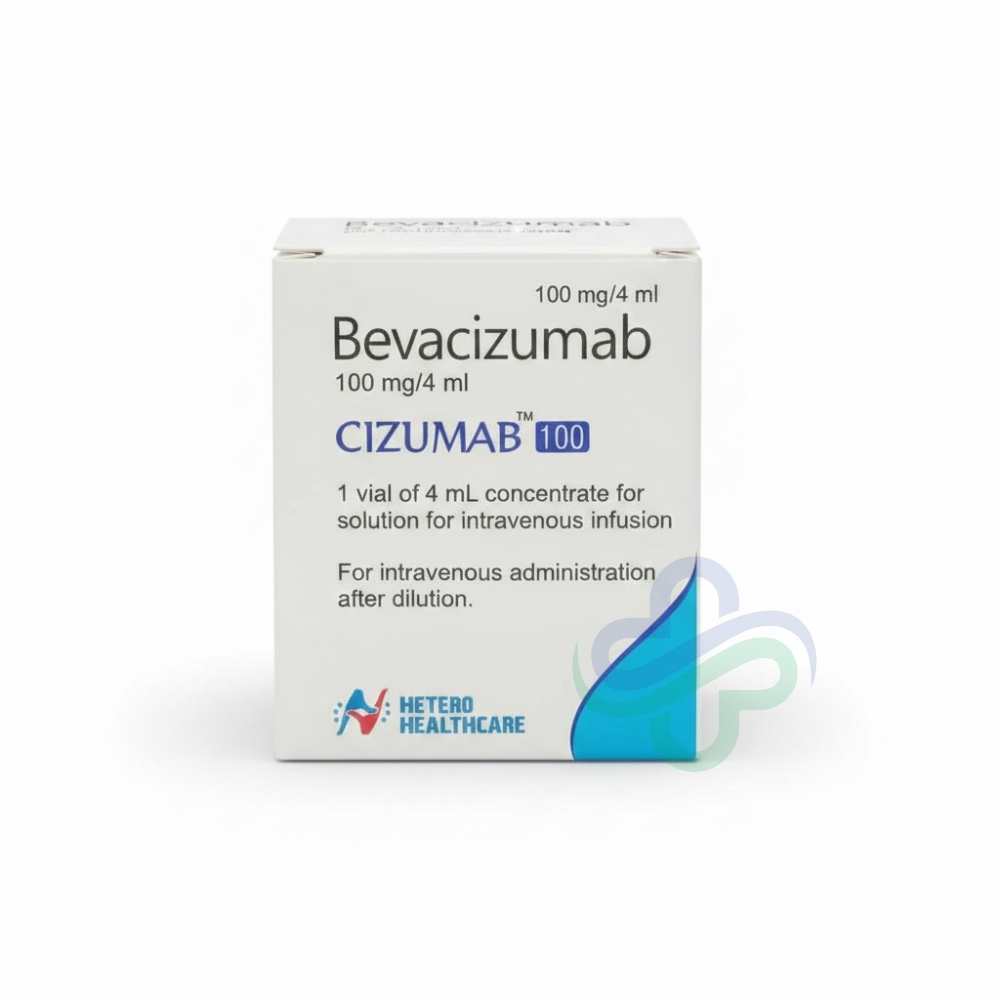
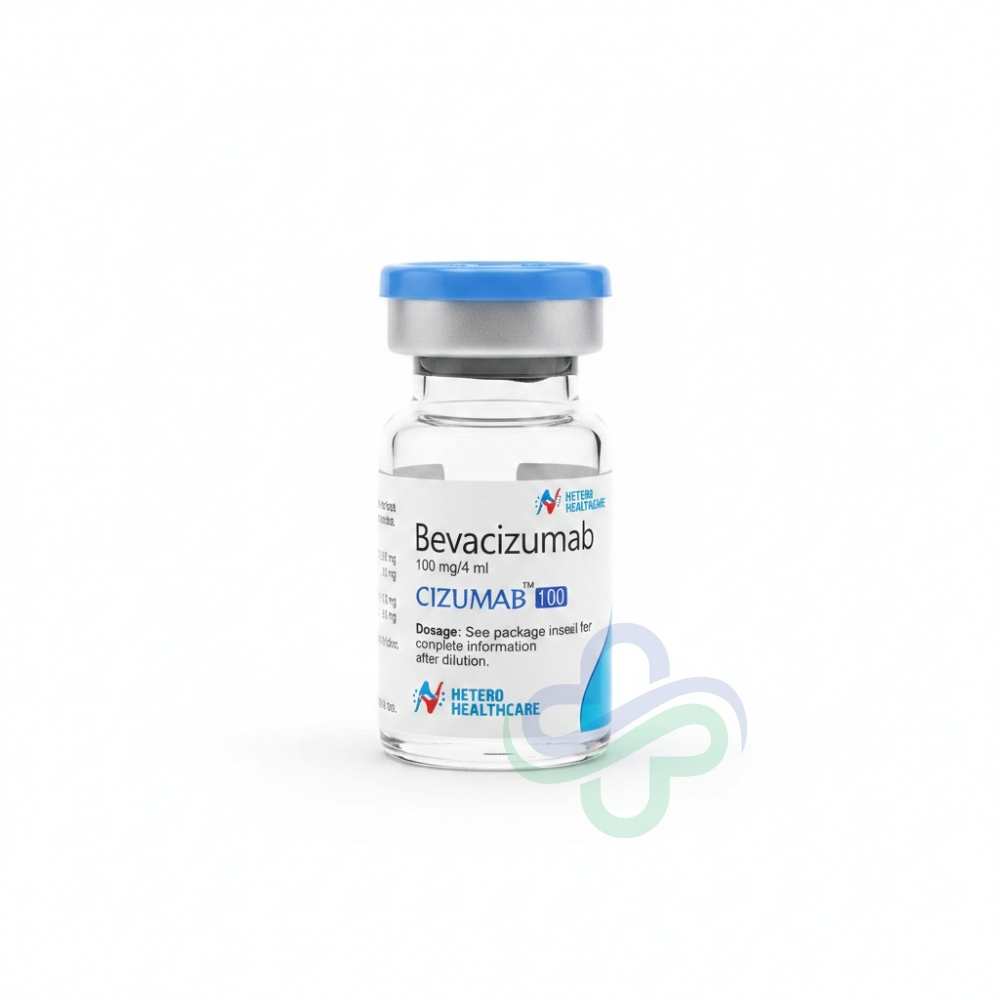
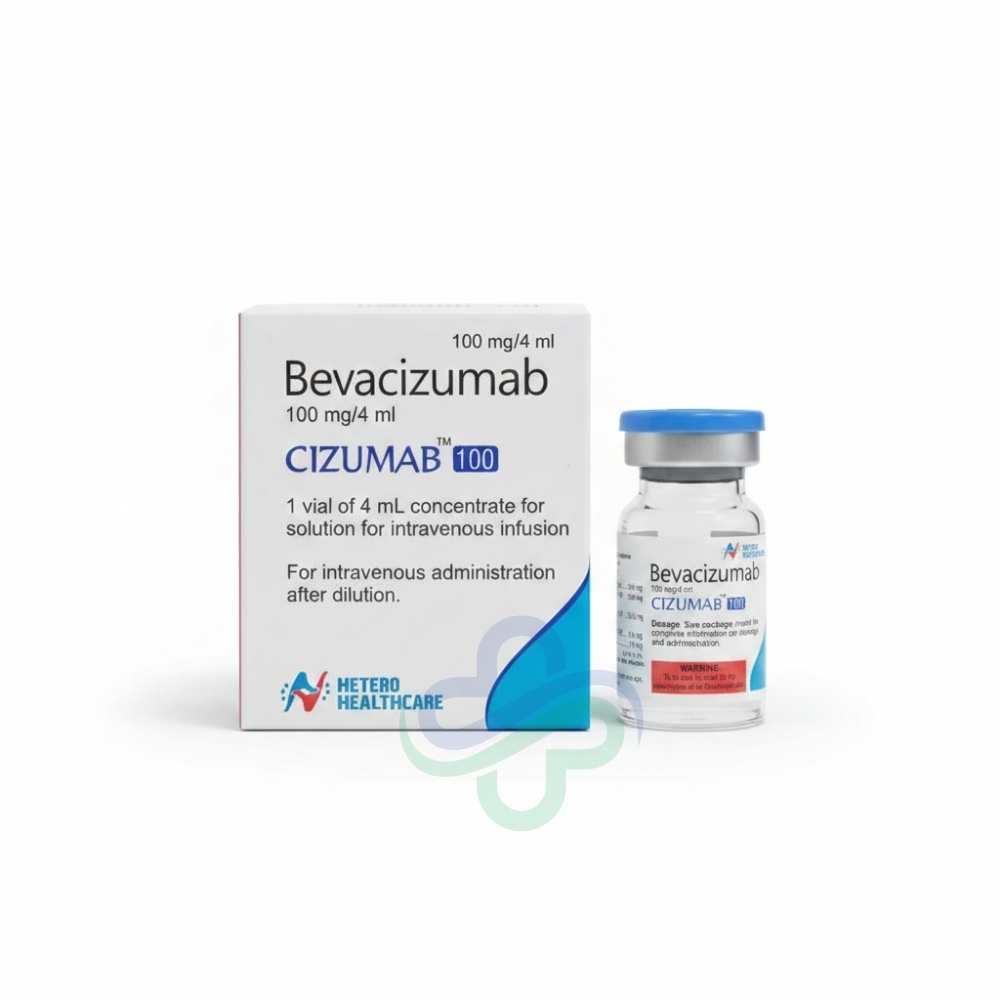
Bevacizumab Cizumab 100mg/4ml Injection
Single vial
Free Shipping
Order above $200.00
Worldwide Delivery
8-10 Business Days
24/7 Support
Solve your queries
- 100% Genuine Medicines
- Secure International Logistics
- Secure Payment
- Authentic Pharmaceutical Supplier
How to Order from Medionix Pharma
Add Products
Browse our medicines and add the required products to your cart.
Add Products to Cart
Order Method
Place your order easily through WhatsApp or Email support.
Choose Your Ordering Method
Share Details
Provide your delivery address and contact information.
Share Delivery & Prescription Details
Order Dispatched
Your order is packed securely and shipped worldwide.
Order Confirmation & Dispatch
What is Bevacizumab (Cizumab) Used For?
- Bevacizumab (Cizumab) is used for:
- Metastatic Colorectal Cancer – Combined with fluoropyrimidine-based chemotherapy
- Non-Small Cell Lung Cancer – First-line treatment with platinum-based chemotherapy
- Ovarian Cancer – Front-line and recurrent epithelial ovarian cancer
- Cervical Cancer – Persistent, recurrent, or metastatic disease
- Hepatocellular Carcinoma – In combination with atezolizumab
How Does Bevacizumab Work?
- Bevacizumab (Cizumab) is a biosimilar, which:
- Binds to VEGF-A (vascular endothelial growth factor A)
- Prevents VEGF from binding to its receptors on endothelial cells
- Inhibits tumor angiogenesis and normalizes existing tumor vasculature
How to Use Bevacizumab (Cizumab)
Dosage: 5-15mg/kg every 2-3 weeks based on indication and treatment protocol
Administration: Intravenous infusion; first dose over 90 minutes, subsequent may be shorter if tolerated
Precaution: Monitor for bleeding, wound healing complications, and hypertension; oncologist supervision essential
Side Effects of Bevacizumab
Common Side Effects: Epistaxis, hypertension, back pain, headache, altered taste, dry skin
Serious Side Effects (seek medical help): GI perforation, fistula formation, arterial thromboembolism, posterior reversible encephalopathy syndrome (PRES)
Benefits
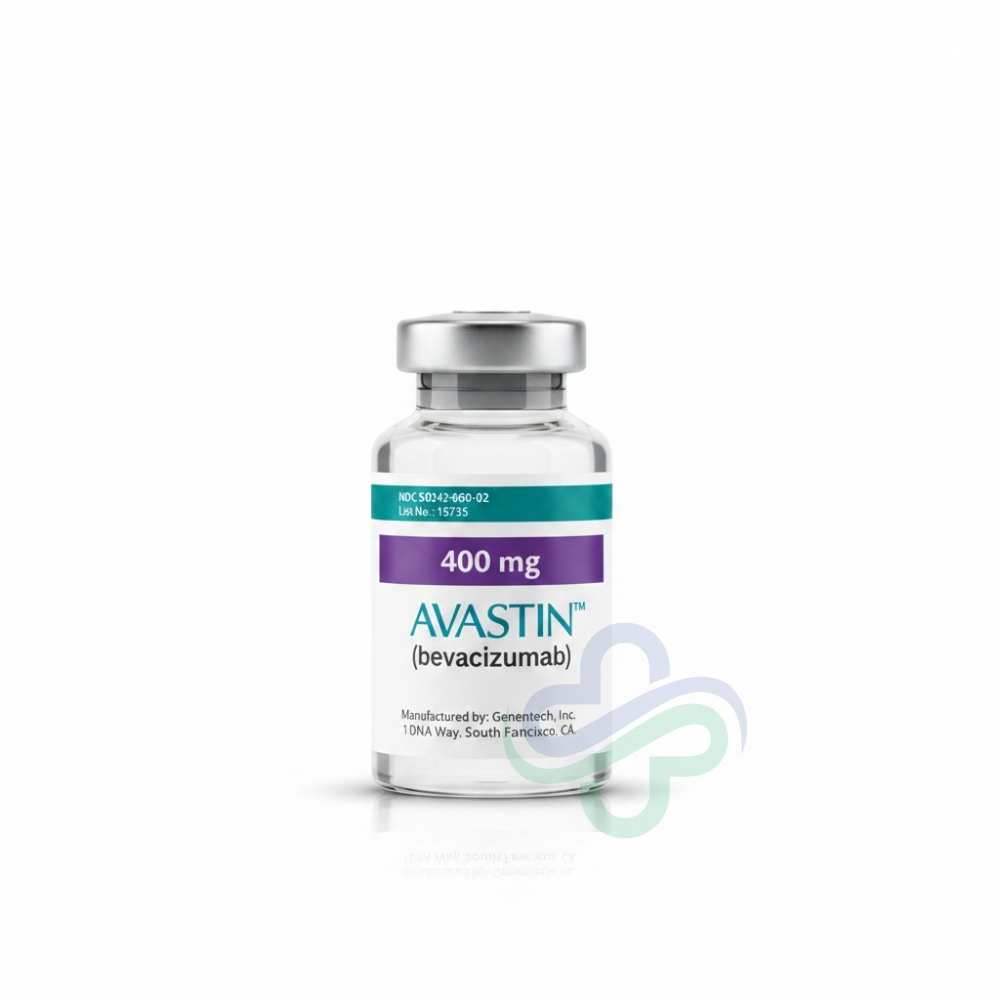
- Anti-VEGF biosimilar offering equivalent efficacy to original Avastin at a more accessible price
- Inhibits tumor angiogenesis across multiple solid tumor types — CRC, NSCLC, ovarian, cervical, HCC
- Extends progression-free survival when added to standard chemotherapy regimens
- IV infusion in clinic allows oncologist-controlled precise dosing every 2–3 weeks
- Checkpoint inhibitor therapy at Medionix Pharma includes Nivolumab (OPDYTA) and Bevacizumab options
Warnings and Precautions
- GI perforation: potentially life-threatening — evaluate carefully in patients with bowel surgery history
- Hold for at least 28 days before elective surgery; do not restart until wounds are fully healed
- Monitor blood pressure before each infusion; antihypertensive therapy may be required
- Proteinuria monitoring (urine dipstick or 24-hour collection) required; discontinue for nephrotic syndrome
- Arterial thromboembolism (stroke, MI) risk — higher in elderly and those with prior events
- Contraindicated in pregnancy — significant fetal harm; effective contraception required during treatment and for 6 months after last dose
Drug Interactions
- Sunitinib: increased risk of microangiopathic hemolytic anemia — avoid concurrent use
- Anthracyclines: potential additive cardiotoxicity — monitor cardiac function
- Platinum-based chemotherapy and paclitaxel: standard combinations — monitor for additive hematological and renal toxicities
- Anticoagulants: bleeding risk is increased with concurrent use — monitor closely
Storage Information
- Store at 2°C–8°C in refrigerator; do not freeze or shake the vial
- Protect from light; keep in original carton until use
- Diluted infusion solution: stable for 8 hours at 2°C–8°C
Frequently Asked Questions
Q1: What is Bevacizumab Cizumab used for?
Cizumab is a bevacizumab biosimilar used to treat metastatic colorectal cancer, non-small cell lung cancer, ovarian cancer, cervical cancer, and hepatocellular carcinoma — always combined with chemotherapy.
Q2: How does Cizumab work against cancer?
Cizumab binds to VEGF-A (vascular endothelial growth factor A), preventing it from activating VEGFR2 on blood vessel cells. This inhibits angiogenesis — the formation of new tumor blood vessels — starving cancer cells of oxygen and nutrients.
Q3: Is Cizumab biosimilar the same as original Avastin?
Cizumab is a biosimilar to the original bevacizumab (Avastin). It has been approved based on extensive comparability studies demonstrating equivalent efficacy, safety, and quality to the reference product at a more accessible price.
Q4: How is Cizumab administered?
It is given as an intravenous infusion — first dose over 90 minutes. If the first infusion is well tolerated, subsequent infusions may be given over 60 minutes, then 30 minutes. Treatment is typically every 2–3 weeks with chemotherapy.
Q5: What is the dose of Cizumab?
Dosing is 5–15 mg/kg every 2–3 weeks depending on the cancer type and treatment protocol. Your oncologist will determine the exact dose based on your body weight and regimen.
Q6: What are the most common side effects?
Common side effects include nosebleeds (epistaxis), high blood pressure, headache, altered taste, dry skin, and fatigue. These are generally manageable with supportive care.
Q7: What serious side effects require emergency care?
Seek immediate care for: sudden severe abdominal pain (possible GI perforation), stroke or heart attack symptoms, severe uncontrolled bleeding, wound breakdown, or severe shortness of breath.
Q8: Why must surgery be delayed around Cizumab treatment?
Bevacizumab impairs wound healing by inhibiting blood vessel formation. Treatment must be held for at least 28 days before elective surgery and should not be restarted until surgical wounds are fully healed.
Q9: Is Cizumab safe during pregnancy?
No. Bevacizumab is contraindicated in pregnancy as it causes fetal harm including malformations. Effective contraception is mandatory during treatment and for at least 6 months after the final dose.
Q10: What monitoring is required during Cizumab treatment?
Regular blood pressure monitoring, urinalysis for proteinuria, wound assessment, complete blood count, and liver function tests are required. Any surgery or invasive procedures must be coordinated with your oncologist.
Q11: How should Cizumab be stored?
Store at 2°C–8°C in the refrigerator. Do not freeze or shake. Protect from light. Keep in the original carton. Once diluted for infusion, use within 8 hours if kept at 2°C–8°C.
Q12: Is Cizumab available without a prescription?
No. Cizumab is a prescription-only biological cancer therapy administered exclusively in hospital settings under oncologist supervision.
Customer Reviews
Regional Cancer Institute
USA · 6 weeks ago
“Used Medionix for supplementary oncology supply for over a year now. Reliable, consistent quality and timely delivery.”
Dr. Fatima Al-Rashid
UK · 3 months ago
“Trusted source for specialist oncology procurement. Products always arrive within expiry in manufacturer-sealed packaging.”
Northside Medical Center
Australia · 3 weeks ago
“Routine oncology supply order. Medications arrived temperature-controlled and within the stated delivery window. Highly reliable.”
Regional Cancer Institute
USA · 6 weeks ago
“Used Medionix for supplementary oncology supply for over a year now. Reliable, consistent quality and timely delivery.”
Dr. Fatima Al-Rashid
UK · 3 months ago
“Trusted source for specialist oncology procurement. Products always arrive within expiry in manufacturer-sealed packaging.”
Related Products
Disclaimer
The information provided on Medionix Pharma is intended for general informational purposes only. It should not be considered as medical advice, diagnosis, or treatment. Always consult a qualified healthcare professional before using any medication or starting any treatment.
Medionix Pharma does not encourage self-medication. Customers are responsible for ensuring that purchases comply with local laws and prescription requirements in their country. If you have any questions or concerns regarding the content on our website, please contact us at sales@medionixpharma.com.